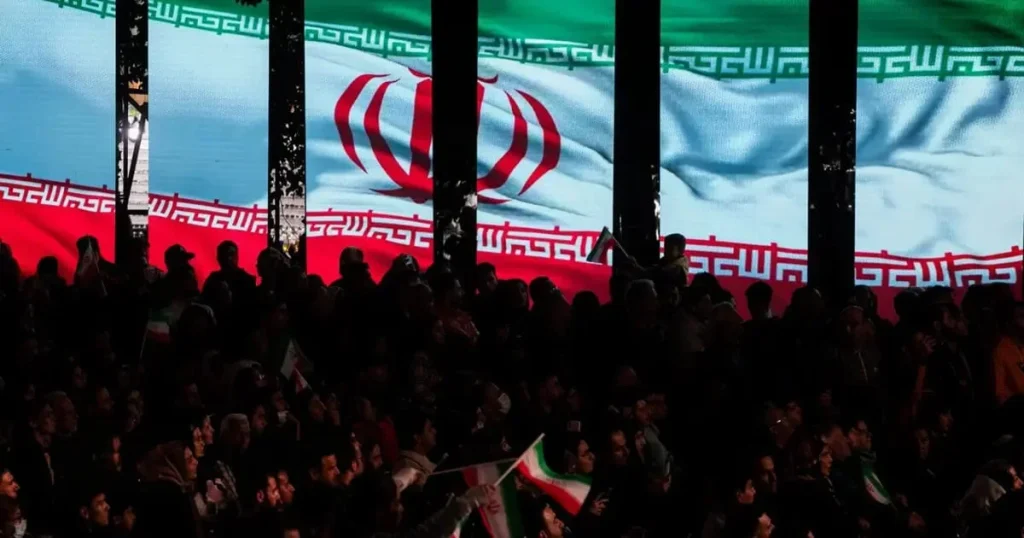
A suffocating information void has descended upon the Islamic Republic. For the past three weeks, a near-total Iran internet blackout has severed the nation’s connection to the outside world. This deliberate disconnection is effectively masking a brutal security sweep, leaving the international community guessing at the true scale of the carnage.
Without reliable data, the human cost is becoming a matter of fierce contention. Different monitoring bodies are presenting vastly different narratives regarding the violence.
Casualties in the Shadows
Independent watchdogs describe a massacre. The U.S.-based Human Rights Activists News Agency (HRANA) estimates that security forces have killed at least 5,002 people. Furthermore, the organization reports that over 26,800 individuals are currently locked in detention centers.
State officials offer a significantly lower figure. The government claims the death toll stands at 3,117. However, global observers remain highly skeptical of official statistics, citing the regime’s history of underreporting during civil unrest.
Military Pressure During Iran Internet Blackout
While the domestic crackdown intensifies, external military pressure is mounting. A United States aircraft carrier group has moved into strategic position near the region. President Donald Trump recently characterized this naval deployment as an “armada.”
This show of force has coincided with a heated diplomatic dispute regarding the treatment of detainees. Specifically, Washington claims its presence deterred a mass slaughter.
President Trump asserted that Tehran halted the scheduled execution of 800 protesters solely because of American warnings. Iranian officials immediately rejected this narrative.
Top prosecutor Mohammad Movahedi dismissed the President’s claim as “completely false.” Movahedi insisted that the judiciary never authorized such a mass execution and maintains independence from foreign influence.
Europe Targeting the IRGC
The diplomatic fallout has extended to Europe. The European Parliament recently adopted a resolution condemning the state’s “mass murders.” Crucially, lawmakers called for the Islamic Revolutionary Guard Corps (IRGC) to be formally designated as a terrorist organization.
Tehran’s response was swift and angry. The Foreign Ministry expressed “strong revulsion” at the European move. Officials further warned of “reciprocal action” against Western interests if these political attacks continue.
Consequently, the nation remains trapped. Citizens are caught between a violent internal purge and an escalating international standoff, all hidden behind a digital wall.
____________________________________________________
AU Lifts Guinea Sanctions as Doumbouya Cements Power in Controversial Vote


 Armenian Dram
 Ghana Cedi
 Gambian Dalasi
 Guinea Franc
 Nigerian Naira
 CFA Franc BEAC