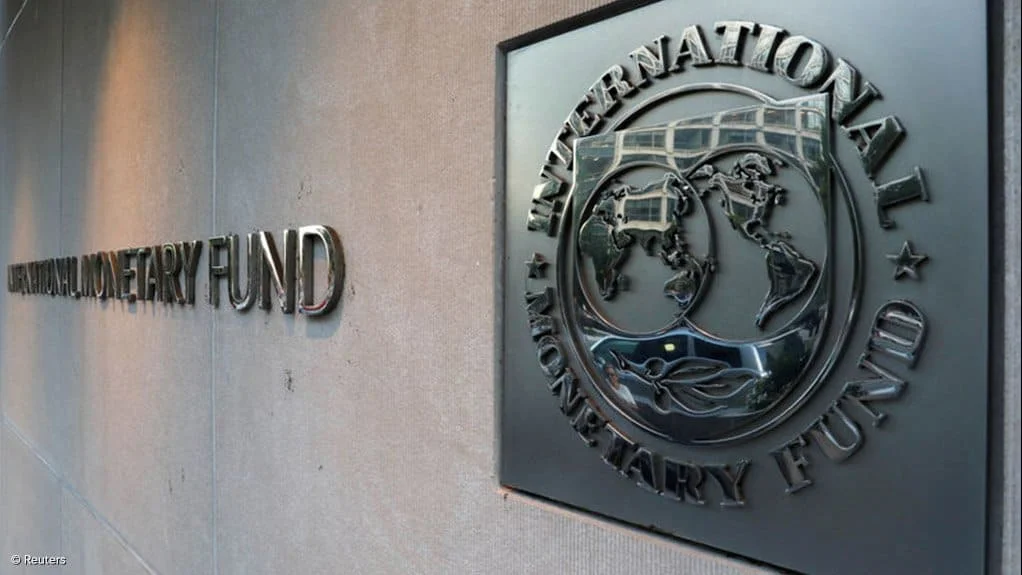
The era of stagnation may be coming to a close for Dhaka. The International Monetary Fund (IMF) has officially signaled a recovery phase for the Bangladesh economy, projecting a 4.7% expansion in the 2026 fiscal year.
This announcement, released on Friday, offers a roadmap out of recent financial turbulence. After a period defined by sluggish performance, the South Asian nation is finally seeing green shoots of recovery.
The Price of Recovery: Mandatory Reforms
However, this projected growth is not guaranteed. The IMF stressed that the 4.7% target relies heavily on government execution. To unlock this potential, authorities must overhaul two critical areas: tax revenue and the banking sector.
The global lender explicitly pointed to long-standing structural weaknesses in financial institutions. Without resolving these issues and expanding the tax net to fund public infrastructure, the predicted bounce could falter.
Inflation Stays Hot Before Cooling Down
While the GDP outlook is positive, consumers will not feel immediate relief at the checkout counter. The Bangladesh economy must still weather a period of elevated living costs.
The IMF forecast indicates that inflation will remain stubborn, holding at roughly 8.9% throughout FY26.
The Long-Term Forecast
Despite the near-term price pressures, the horizon looks brighter. If monetary policies remain disciplined, the IMF expects significant stabilization by the following year.
Key projections include:
- FY27 Inflation: Expected to drop to approximately 6% as pressures ease.
- Medium-Term GDP: Growth is anticipated to accelerate toward 6% once structural reforms take root.
This outlook presents a clear trade-off: endure high prices and enforce strict reforms now to secure a high-growth future later.




 Armenian Dram
 Ghana Cedi
 Gambian Dalasi
 Guinea Franc
 Nigerian Naira
 CFA Franc BEAC