Climate shocks, scarcity, geopolitics and industry pressures put Africa’s most vital resource under the spotlight as leaders meet.
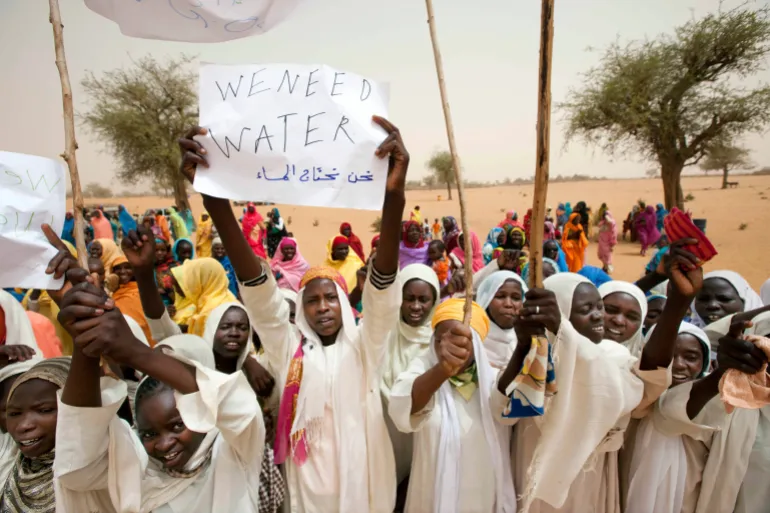
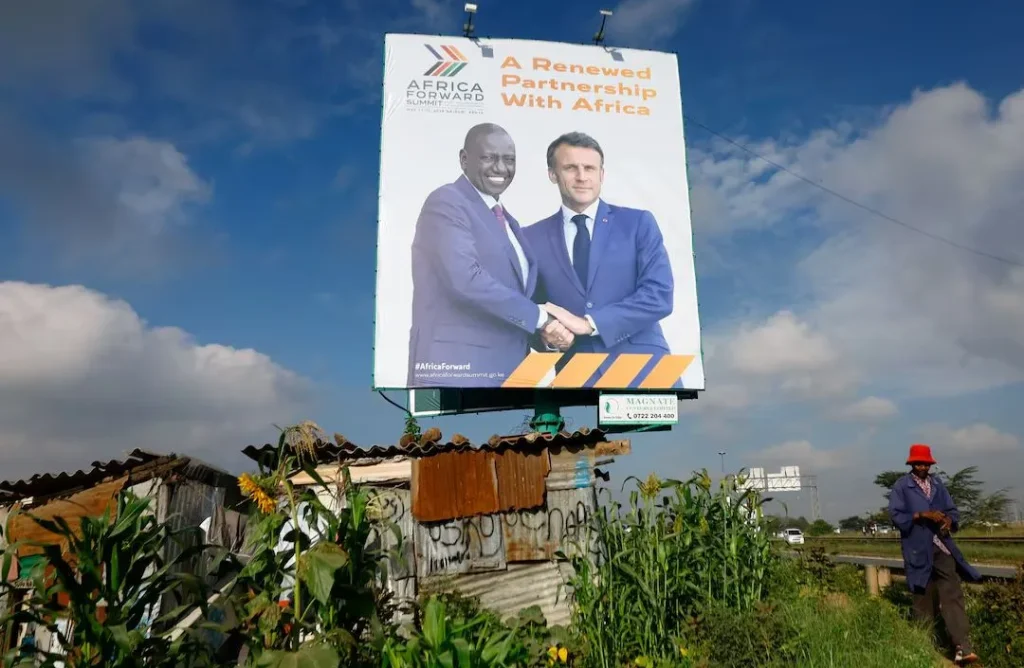
Johannesburg, South Africa — Africa is entering 2026 gripped by intensifying water-related crises, from deadly Cyclone Gezani in Madagascar and rising waterborne disease risks in flood-hit Mozambique, to drought-ravaged communities and livestock losses along the Kenya–Somalia border. The mounting pressures come as the African Union places water at the heart of its 2026 summit agenda.
On the surface, the AU’s focus on water as a driver of life, development and sustainability appears technical and apolitical. Experts, however, warn that water is rapidly becoming one of Africa’s most volatile security and geopolitical issues.
“Water is life,” said Sanusha Naidu, a foreign policy analyst at the Institute for Global Dialogue. “But beyond that, water is now about access, power and control. It is a humanitarian crisis, a climate crisis and increasingly, a peace and security issue.”
Climate change meets conflict
While climate change is a major stressor, analysts say Africa’s water challenge is driven by a complex web of factors: upstream–downstream rivalries over shared rivers, the weaponisation of water in conflict zones, and large-scale industrial exploitation that sidelines human needs.
Across the continent, water scarcity intersects with interstate disputes such as tensions between Egypt and Ethiopia over the Nile, deadly farmer–herder clashes in Nigeria, antigovernment protests over service delivery failures in Madagascar, and public health emergencies following floods and droughts.
Africa’s vulnerability is heightened by rising temperatures that outpace the global average, according to climate experts and the World Meteorological Organization. For Dhesigen Naidoo, a senior water and climate researcher at the Institute for Security Studies, climate change is now felt first and foremost as a water crisis.
“Floods, droughts and extreme storms are increasing in intensity, while our capacity to manage them is shrinking,” he said. “Too much water and too little water have the same effect — they reduce access and stability.”
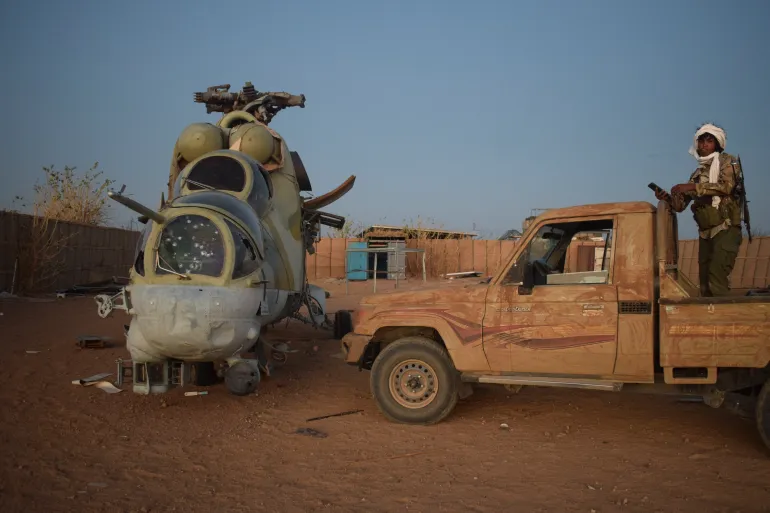
The consequences ripple outward: food insecurity, climate-driven displacement and a higher risk of violence. In regions like the Sahel, analysts note a troubling correlation between desertification and the spread of armed groups, as desperate populations become more vulnerable to recruitment.
Rising tensions along shared rivers
Africa’s water challenges are compounded by colonial-era borders that split river systems across nations. Today, about 90% of the continent’s surface water lies in transboundary basins, requiring cooperation among neighbouring states, according to the World Bank.
Nowhere is this more evident than along the Nile. Ethiopia’s inauguration of the Grand Ethiopian Renaissance Dam has sharpened tensions with downstream Egypt and Sudan, both of which depend heavily on the river for survival.
“The tension is relatively high,” said Magnus Taylor, deputy director of the Horn of Africa project at the International Crisis Group. Beyond technical concerns, he said the dam symbolises a historic shift in power along the Nile basin, unsettling long-standing regional dynamics.
Water as a weapon
Experts also warn that water is increasingly being used as a tool of war. From Sudan to Gaza, attacks on water infrastructure and blockades of supplies have left civilians facing acute deprivation.
“For decades, there was an understanding that water should never be weaponised,” Naidoo said. “Recent conflicts show that norm is eroding.”
Technological growth is adding new pressure. Data centres, communications networks and industrial cooling systems consume vast quantities of water, intensifying competition over already strained supplies.
Accountability and the road ahead
While the AU’s decision to prioritise water is welcome, analysts say it is long overdue. Governments have long been aware of the looming crisis but have failed to act at the scale required.
Responsibility, experts argue, extends beyond states to local authorities, corporations that pollute or overextract water, and citizens who must demand accountability.
Although the AU may issue declarations at the summit, observers caution that its limited enforcement powers make continent-wide binding agreements unlikely. Still, Naidoo sees hope in local innovation — from water-efficient sanitation systems to creative distribution models like overhead aqueducts serving informal settlements.
“Treaties matter,” he said, “but real change will come from national action and scaling up solutions that already work on the ground.”
As Africa’s leaders convene, the message from experts is clear: without urgent, coordinated action, water risks becoming not just a source of life — but a trigger for deeper instability across the continent.




 Armenian Dram
 Ghana Cedi
 Gambian Dalasi
 Guinea Franc
 Nigerian Naira
 CFA Franc BEAC