
The West Africa Telecommunications Regulators Assembly (WATRA) has ramped up efforts to harmonise digital regulations across the sub-region, as West Africa’s fast-growing digital economy surpasses $200 billion.
The regional body reaffirmed its commitment following its 4th Working Groups Meeting held in Ouagadougou, where regulators and stakeholders advanced plans to align policy frameworks to support the next phase of digital transformation across member states.
WATRA estimates the region’s digital economy—spanning e-commerce, fintech, connectivity services, and digital platforms—has exceeded $200 billion and is projected to climb beyond $216 billion, reflecting rapid growth and increasing adoption of digital technologies.
Against this backdrop, the organisation stressed that coordinated regulatory frameworks are essential to ensure the sector’s expansion translates into inclusive economic growth and social development.
The meeting, hosted by the Autorité de Régulation des Communications Électroniques et des Postes du Burkina Faso, brought together regulators, policymakers, and technical experts under the theme: “Building a Secure, Inclusive, and Resilient Digital Ecosystem for West Africa.”
WATRA Executive Secretary, Aliyu Yusuf Aboki, said the initiative marks a shift from policy discussions to actionable regulatory tools capable of driving real impact.
“Nearly two years after establishing the Working Groups, what began as a vision has evolved into a dynamic platform for coordination, knowledge sharing, and peer learning,” he said.
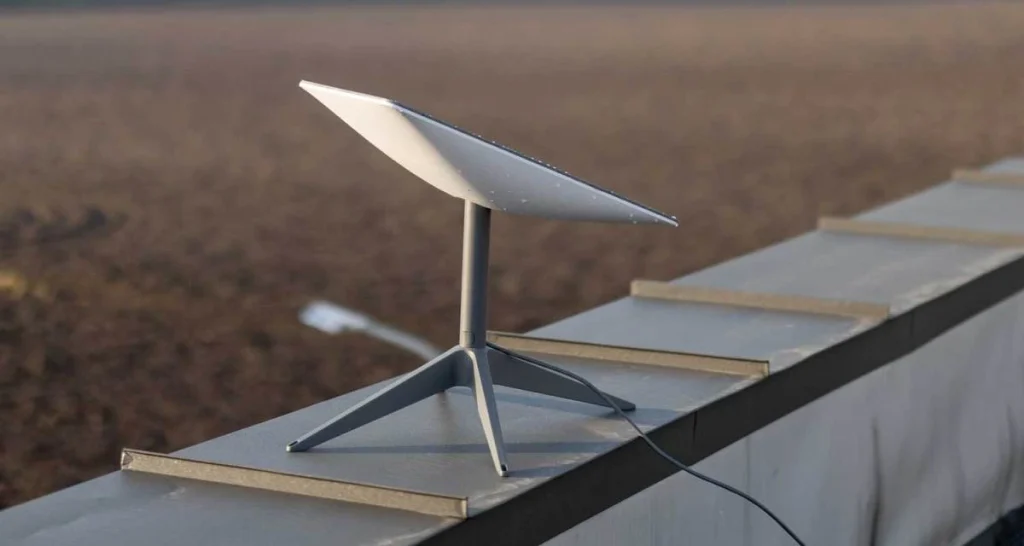
During the session, working groups finalised technical reports on critical areas including 5G deployment, submarine cable resilience, cybersecurity frameworks, consumer protection, and the regulation of non-geostationary satellite systems.
“These outputs will directly inform policy decisions, strengthen regulatory alignment, and guide national and regional implementation strategies,” Aboki added.
WATRA noted that emerging technologies such as artificial intelligence, digital financial services, and the Internet of Things are rapidly reshaping the region’s economic landscape, requiring more agile and forward-looking regulatory approaches.
The organisation also highlighted the growing role of the digital economy as a key driver of productivity, innovation, and enterprise development, while expanding access to financial services, education, and healthcare—particularly in underserved communities.
Within the regional ecosystem, Nigeria remains the largest digital market, powered by its robust telecom and fintech sectors. Ghana continues to position itself as a leader in digital payments, while Côte d’Ivoire and Senegal are emerging as key hubs for digital infrastructure and services.
WATRA emphasised that sustained collaboration among regulators will be critical to bridging the digital divide and ensuring the benefits of digital transformation are widely shared across the region.
The outcomes of the meeting will be presented to WATRA’s General Assembly and are expected to shape its 2026–2030 strategic plan, reinforcing its role in coordinating policies for West Africa’s rapidly evolving digital economy.




 Armenian Dram
 Ghana Cedi
 Gambian Dalasi
 Guinea Franc
 Nigerian Naira
 CFA Franc BEAC