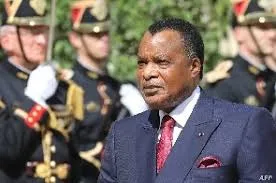
Veteran leader Denis Sassou-N’Guesso has been sworn in for a fifth presidential term in Republic of the Congo, following his decisive victory in the March elections.
The 82-year-old president, who secured 94.9 per cent of the vote, took the oath of office during a ceremony in Brazzaville attended by several African heads of state, pledging to prioritise economic revival, job creation, and infrastructure development.
Focus on jobs, infrastructure, and economic recovery
In his inaugural address, Sassou-N’Guesso outlined plans to revitalise the economy by strengthening key sectors such as agriculture and industry, while expanding basic infrastructure.
“Create jobs for as many people as possible and continue to develop basic infrastructure and promote development,” he said.
The renewed mandate comes at a critical time for the oil-dependent nation, which continues to grapple with high public debt, rising youth unemployment, and widespread poverty.
Election controversy amid strong mandate
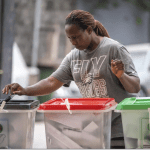
While official figures showed a turnout of over 84 per cent, opposition candidates disputed the results, alleging electoral irregularities and low voter participation.
However, observers from the African Union described the election as “peaceful and orderly,” lending credibility to the outcome despite criticism.
Sassou-N’Guesso, representing the Congolese Party of Labour, has been a dominant figure in the country’s politics for decades. He first came to power in 1979, ruled until 1992, and returned in 1997 after a brief civil war.
Economic challenges persist
Despite efforts to modernise infrastructure and expand the oil, gas, and agriculture sectors, the country faces deep structural challenges.
According to the World Bank, Congo’s public debt stands at about 94.5 per cent of GDP, while more than half of its population of 5.7 million lives below the poverty line. Nearly half of the population is under the age of 18, intensifying pressure on job creation.
Oil revenues remain the backbone of the economy, with growth projected at 2.9 per cent in 2025. However, critics argue that wealth from the sector has not translated into broad-based development, citing allegations of mismanagement and corruption.
Balancing continuity with reform
During his campaign, Sassou-N’Guesso highlighted his track record in infrastructure development and economic reforms aimed at diversifying the economy and boosting self-sufficiency.
As he begins another term, analysts say the key challenge will be translating policy promises into tangible improvements in living standards, particularly for the country’s growing youth population.


 Armenian Dram
 Ghana Cedi
 Gambian Dalasi
 Guinea Franc
 Nigerian Naira
 CFA Franc BEAC