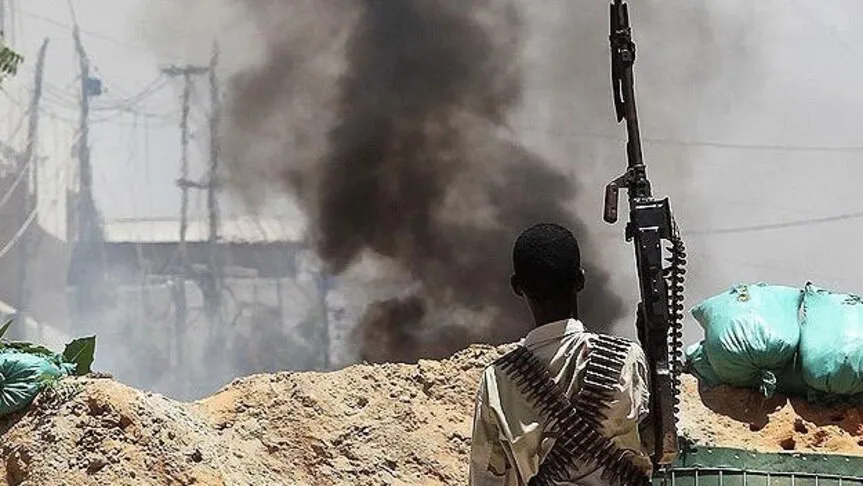
The Economic Community of West African States has strongly condemned a wave of coordinated terrorist attacks across Mali, warning that the violence poses a serious threat to peace and stability across the region.
In a statement issued from its headquarters in Abuja, the 15-member regional bloc described the attacks as “heinous” and reflective of the “barbaric nature” of those responsible.
Multiple cities hit in coordinated assaults
The attacks, which occurred on Saturday, targeted several key locations, including the capital Bamako, as well as Kati, Mopti, and Gao.
Residents reported heavy gunfire and explosions as security forces moved to contain the situation. While authorities are yet to release a full casualty report, military sources indicate that the affected cities are currently under security control.
Confusion also persists in Kidal, where conflicting claims over control of the area remain unverified.
Uncertainty over defence minister
Amid the chaos, unconfirmed reports suggested that Mali’s Defence Minister, Sadio Camara, may have been targeted in an ആക്രമation near his residence. However, officials have yet to confirm his status.
ECOWAS calls for coordinated action
Reacting to the developments, ECOWAS urged West African nations to strengthen cooperation in tackling terrorism, calling on governments, security agencies, and citizens to unite against the growing threat.
The bloc emphasised the need for a coordinated regional response, stating that only collective action can effectively combat the persistent insecurity facing the sub-region.
Solidarity with Mali
ECOWAS extended condolences to victims of the attacks and reaffirmed its support for the Malian government and its people during the crisis.
Mali has grappled with escalating security challenges in recent years, with armed groups carrying out frequent attacks across multiple regions—raising broader concerns about stability in West Africa.
The latest violence underscores the urgency of deeper regional collaboration as security threats continue to evolve across the Sahel.






 Armenian Dram
 Ghana Cedi
 Gambian Dalasi
 Guinea Franc
 Nigerian Naira
 CFA Franc BEAC