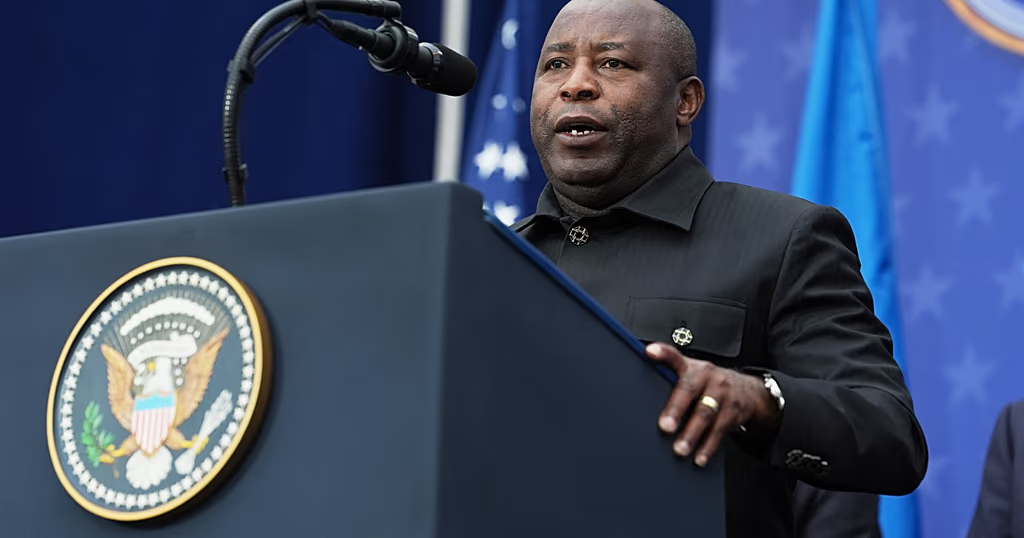
Burundian President Évariste Ndayishimiye has been officially named the presidential candidate of the ruling CNDD-FDD ahead of the country’s 2027 elections, positioning him for a fresh seven-year mandate.
The announcement, made by the party on Sunday, reinforces Ndayishimiye’s dominance in Burundi’s political landscape, where he has led since 2020 following the death of former president Pierre Nkurunziza.
President pledges continuity
Reacting to his nomination, Ndayishimiye expressed gratitude to party members and pledged to build on his administration’s record.
“I thank you for your trust. Together, we will continue working to ensure peace and progress for all Burundians,” he said.
A former general and longtime party insider, Ndayishimiye is widely seen as the frontrunner in the upcoming vote, although no official election date has yet been announced.
Opposition raises concerns
Opposition voices, however, have questioned the credibility of the electoral process.
Epitace Nshimirimana of the Movement for Solidarity and Development (MSD) criticised the planned election, arguing it may fall short of international standards.
He accused the administration of failing to address key economic challenges, including shortages of fuel, foreign currency, and essential goods.
Mixed record amid rights concerns
Since taking office, Ndayishimiye has sought to balance reform efforts with maintaining tight political control, amid ongoing scrutiny from international organisations over human rights concerns.
Groups including the United Nations have repeatedly raised alarms over alleged abuses in the country, which remains one of the world’s poorest.
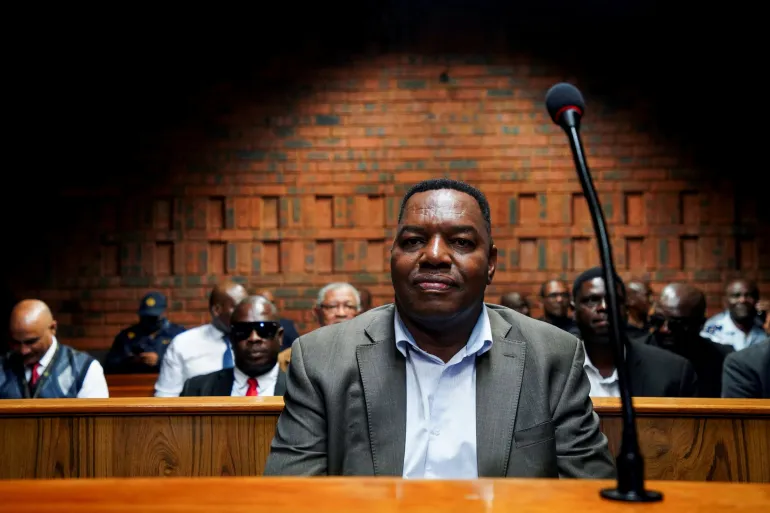
Recent developments have further heightened political tensions, including the death of a government minister under unclear circumstances and the release of former prime minister Alain-Guillaume Bunyoni, who had been jailed over an alleged coup plot.
A history of political unrest
Burundi continues to grapple with the legacy of the 2015 Burundi political crisis, which erupted after Nkurunziza sought a controversial third term. The unrest led to widespread violence, mass displacement, and long-term political instability.
Regional role
Beyond domestic politics, Ndayishimiye currently serves as chairman of the African Union, a role he assumed earlier this year, further elevating his profile on the continental stage.
Looking ahead
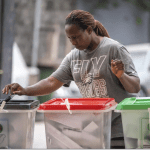
As the 2027 election approaches, attention is likely to focus on electoral transparency, economic recovery, and political reforms, with Ndayishimiye’s candidacy setting the stage for a closely watched contest in the East African nation.



 Armenian Dram
 Ghana Cedi
 Gambian Dalasi
 Guinea Franc
 Nigerian Naira
 CFA Franc BEAC