Zimbabwe’s Struggle for Democratic Reform: Is There Hope for Political Change?

October 16, 2022

2 minutes read

Zimbabw
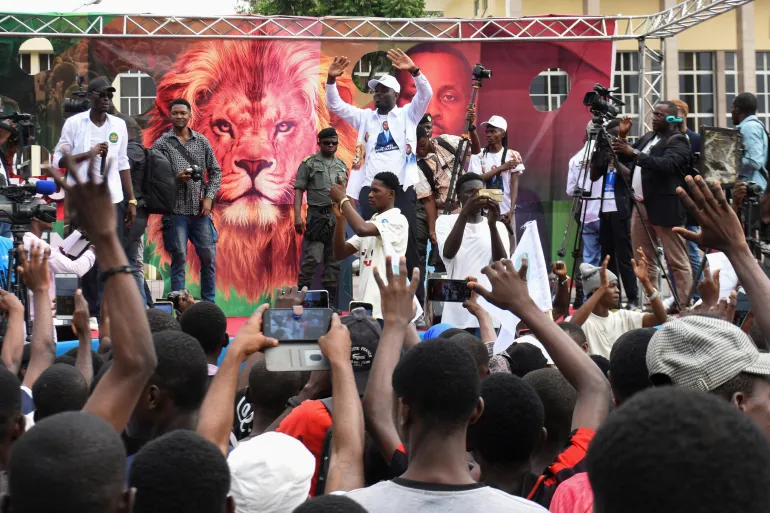
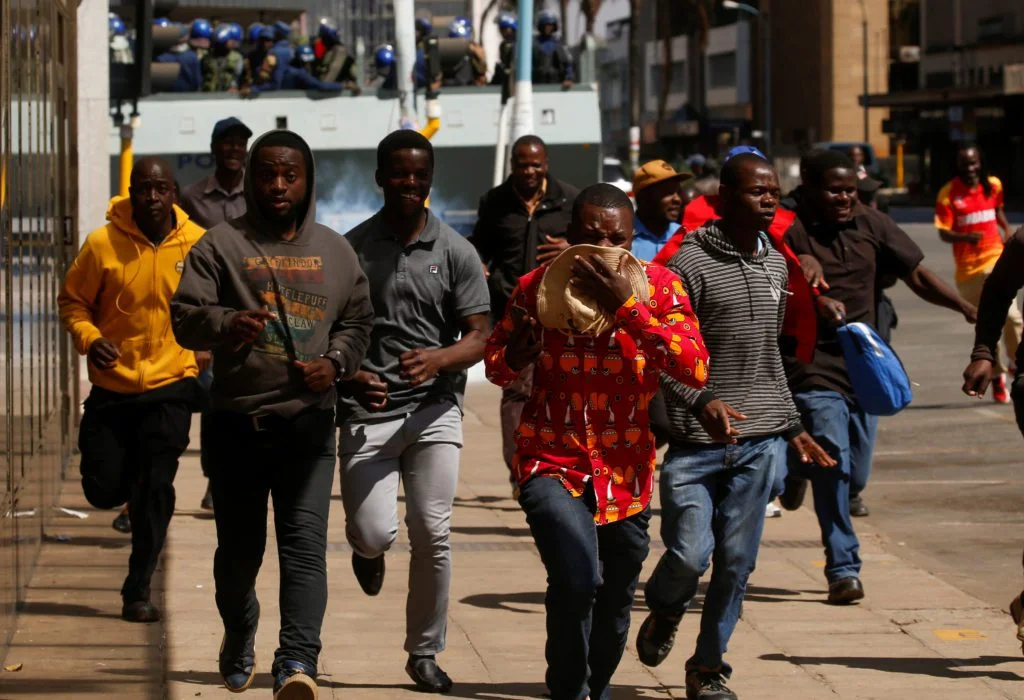
Protesters flee from teargas during clashes after police banned planned protests over austerity and rising living costs called by the opposition Movement for Democratic Change (MDC) party in Harare, Zimbabwe, August 16, 2019. REUTERS/Philimon Bulawayo

Zimbabwe’s political history is marred by decades of authoritarian rule, economic mismanagement, and human rights abuses. Since the ousting of long-time leader Robert Mugabe in 2017, hopes for democratic reform have been high. However, under President Emmerson Mnangagwa, the country has seen little progress towards meaningful political change. With rising economic hardships and increasing repression, Zimbabweans are once again questioning whether true democracy is within reach.

Zimbabwe’s political landscape remains deeply entrenched in the same power dynamics that defined the Mugabe era. Mnangagwa, who was once heralded as a reformer, has largely maintained the status quo, using the same authoritarian tactics to suppress opposition and silence dissent. The military, which played a key role in removing Mugabe, remains a dominant force in the country’s political affairs, making it difficult to envision a future without heavy-handed governance.

Economic woes continue to plague Zimbabwe. Hyperinflation, food shortages, and widespread unemployment have driven millions into poverty. The government’s inability to stabilize the economy, coupled with international sanctions, has left the country isolated and struggling. Protests and strikes have become common, as citizens demand better living conditions and greater political freedom, but the government’s response has been one of increased repression.

The opposition, led by the Movement for Democratic Change (MDC), has failed to mount a significant challenge to Mnangagwa’s rule. Internal divisions and government crackdowns have weakened their ability to mobilize support. Meanwhile, civil society groups, human rights activists, and journalists continue to face harassment, arrests, and violence, further stifling any chance of meaningful political discourse.

Conclusion:
Zimbabwe’s path to democracy remains uncertain. While hopes for reform have been dashed under Mnangagwa’s leadership, the demand for change persists among the country’s citizens. Whether Zimbabwe can break free from its authoritarian past will depend on the strength of its civil society, the resilience of its opposition, and the willingness of the international community to engage in meaningful dialogue with the government.
Share:
Subscribe
Notify of
guest
0 Comments
Oldest
Newest Most Voted
Inline Feedbacks
View all comments

Related Links

BOI Unveils 7% Loan Scheme for West African Women Entrepreneurs to Boost Trade

The Bank of Industry has announced that its Guaranteed Loan (GLO) scheme offering a 7 ...

Julius Berger Retains West Africa’s Top Construction Award for Second Consecutive Year

Julius Berger Nigeria Plc has retained its position as West Africa’s leading construction and infrastructure ...

Dozens Killed as Armed Fighters Launch Fresh Deadly Attacks in Central Mali

At least 30 people have been killed in fresh attacks carried out by suspected al-Qaeda-linked ...

France Seeks Stronger African Alliances at Kenya Summit After Setbacks in West Africa

France is set to intensify efforts to rebuild and expand its influence across Africa as ...

Features

African Union, West Africa Welcome UN Resolution Declaring Slave Trade Crime Against Humanity

The African Union has welcomed a landmark resolution by the United Nations General Assembly formally ...

Nigeria, Others Move to Launch ECOVISA to Ease Travel Across West Africa

Nigeria has joined Ghana, Senegal, Gambia, Sierra Leone, Côte d’Ivoire, Liberia, Togo and other West ...

Namibia Rejects Starlink Licence, Deepening Southern Africa Setback

Starlink, the satellite internet venture backed by Elon Musk, has suffered another setback in southern ...

ECOWAS, African Union Deepen Partnership on Infrastructure, Regional Integration

The President of the Economic Community of West African States (ECOWAS) Commission, Omar Alieu Touray, ...

Fayemi Pushes for Fairer Africa-West Deals, Urges Industrialisation and Tech Transfer

Former Ekiti State governor, Kayode Fayemi, has called for a major reset in Africa’s economic ...

ECOWAS Moves to Establish Regional Open Data Framework to Strengthen Digital Governance

The Economic Community of West African States (ECOWAS) has taken a major step toward improving ...

Youth in Oil-Rich Congo Struggle With Poverty, Seek Economic Change

  Despite being one of Africa’s major oil producers, the Republic of the Congo continues ...

World Bank Approves $137m Programme to Expand Broadband, Digital Jobs in West Africa

The World Bank Group has approved a $137 million regional programme aimed at expanding broadband ...

Latest News

Today in History

Most lipstick contains fish scales.

Exchange Rate Per Dollar

AM Armenian Dram368.6447
GH Ghana Cedi11.3296
GM Gambian Dalasi73.7495
GN Guinea Franc8,767.29
NG Nigerian Naira₦1,371.02
CF CFA Franc BEAC559.9241
13 May · CurrencyRate · USD
CurrencyRate.Today
Check: 13 May 2026 16:45 UTC
Latest change: 13 May 2026 16:38 UTC
API: CurrencyRate
Disclaimers. This plugin or website cannot guarantee the accuracy of the exchange rates displayed. You should confirm current rates before making any transactions that could be affected by changes in the exchange rates.
You can install this WP plugin on your website from the WordPress official website: Exchange Rates🚀

YOUR THOUGHTS

Let us know what you think

Contact the People’s Paper with feedback on stories and how we could make wapress.africa even better!

newsletter image

Stay up to date with the latest from West Africa Press

Editorial feedback and complaints

Contact the public editor with feedback for our journalists, complaints, queries or suggestions about articles on WApress.

Subscribe Newsletter!

Be the first to receive our latest contents and more...

Need help?