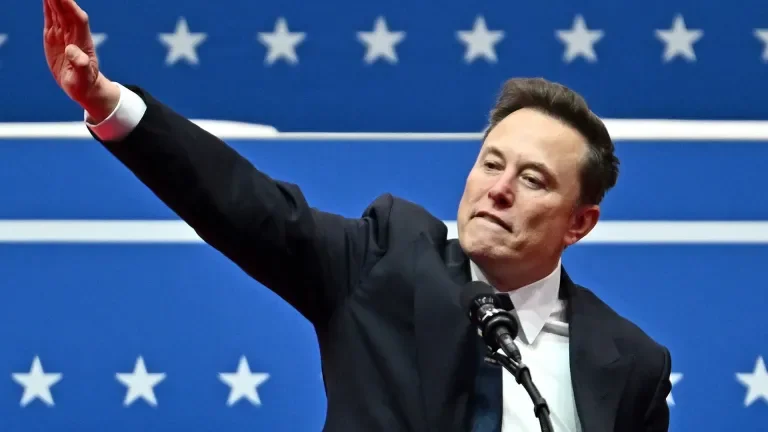
Tesla CEO Elon Musk has spoken out against dismantling the H-1B visa system. He argues that the solution lies in fixing loopholes rather than ending the program.
Musk shared these views during a recent discussion with Indian entrepreneur Nikhil Kamath. He emphasized that the United States has historically benefited from talented Indian migrants. However, he also acknowledged legitimate concerns regarding the misuse of the visa lottery system.
Stopping the “Gaming” of the System
The H-1B program allows US employers to hire foreign workers for specialty occupations. Currently, Indian citizens account for roughly 70% of these visas, primarily in the technology and medical sectors.
However, the allocation process faces significant scrutiny. Critics accuse outsourcing and staffing agencies of manipulating the lottery system.
For example, some agencies submit multiple applications for the same individual. Others use the visas to import low-cost contract labor instead of filling genuine specialty roles.
Musk addressed this issue directly. He stated that the “gaming of the system” must stop. However, he distinguished his position from hardliners who want to shut down the program entirely. He warned that ending the H-1B route would be detrimental to the US economy.
Tightening Regulations and Declining Approvals
These conversations occur as restrictions tighten. In September, President Donald Trump introduced a new $100,000 fee for H-1B applicants. This move sparked significant anxiety among Indian professionals and their employers.
Recent data indicates that the crackdown is already having an effect. Visa approvals for major Indian outsourcing firms have dropped to their lowest levels in a decade.
In the current financial year, the top seven Indian companies saw a dramatic decline in approved petitions. Approvals for initial employment dropped by 70% compared to 2015 figures.
Disagreement on Tariffs
Beyond immigration, Musk also touched on economic policy. He revealed a divergence of opinion with President Trump regarding trade tariffs.
The tech billionaire disclosed that he tried to dissuade the President from raising tariffs. Musk argued that such levies create market distortions. However, he was unsuccessful, noting that the President remains a strong proponent of using tariffs as a central economic tool.
This stance has direct implications for India-US trade. Earlier this year, the US imposed 50% tariffs on Indian goods. This package included a 25% penalty related to the purchase of Russian oil.
Consequently, Indian exports continue to face some of the steepest levies in the world. Negotiators from both nations are currently engaged in talks. They aim to finalize a new trade agreement by the end of the year to resolve these economic frictions.






 Armenian Dram
 Ghana Cedi
 Gambian Dalasi
 Guinea Franc
 Nigerian Naira
 CFA Franc BEAC