The Centre for Democracy and Development (CDD-West Africa) has launched an ambitious five-year strategic plan aimed at reversing democratic backsliding, rising insecurity and worsening poverty across West Africa.
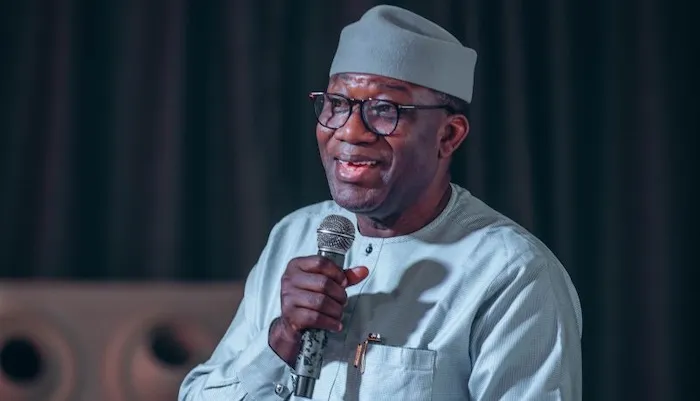
Director of CDD-West Africa, Dauda Garuba, unveiled the 2026–2030 roadmap in Abuja, warning that decades of democratic progress in the region are increasingly under threat.
Democracy Under Pressure
Garuba said West Africa is facing a complex mix of democratic gains and setbacks, noting that while countries like Senegal and Ghana have maintained relative stability, others are grappling with authoritarian tendencies.
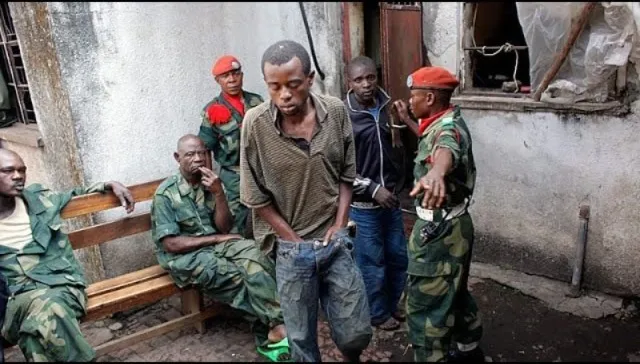
He pointed to a resurgence of military coups and constitutional manipulations in countries such as Côte d’Ivoire, Guinea and Togo, alongside the rise of military-led populism in Mali, Burkina Faso, Niger and Guinea-Bissau.
According to him, declining public trust in elections, weak institutions and corruption have further deepened the crisis.
Rising Humanitarian Crisis
Beyond governance concerns, Garuba highlighted worsening humanitarian conditions across the region.
He cited data showing that over 44 million people in West Africa and the Sahel are facing acute food insecurity, while millions remain displaced and children suffer from malnutrition.
Inside the 5-Year Plan
The new strategic plan is designed as a comprehensive response to these challenges, with a focus on:
- Defending democratic institutions
- Preventing violent conflict
- Promoting peacebuilding
- Reducing inequality and poverty
- Encouraging citizen participation
“We aim to defend democracy, stop violence and support development for all people,” Garuba said, stressing that democracy and development must go hand in hand.
He added that the initiative would involve collaboration between governments, civil society, businesses and international partners.
Experts Call for People-Centred Development
In a keynote address, former CDD Director, Jibrin Ibrahim, argued that economic growth in the region has largely failed to benefit the majority.
He criticised reliance on global financial institutions like the International Monetary Fund and World Bank, saying such approaches have discouraged effective national planning.
Drawing comparisons with countries like China, India and Brazil, Ibrahim stressed that deliberate and structured economic planning is key to reducing poverty.
He also warned that political elites often undermine democracy, insisting that sustainable democratic systems must be driven by active citizen participation.
Panel Highlights Systemic Failures
A panel session at the event examined whether democracy is failing in the region or citizens themselves are part of the problem.
Experts, including Nana Tanko, Hussaini Abdu and Okechukwu Ibeanu, agreed that the crisis goes beyond military interference, pointing to systemic governance failures and a breakdown of the social contract.
They noted that poor infrastructure, weak healthcare systems and ineffective governance have fuelled instability and contributed to the resurgence of coups.
Hope in Citizen Action
Despite the challenges, stakeholders expressed optimism that empowered citizens—particularly women and youth—can drive a more inclusive and accountable democratic system.
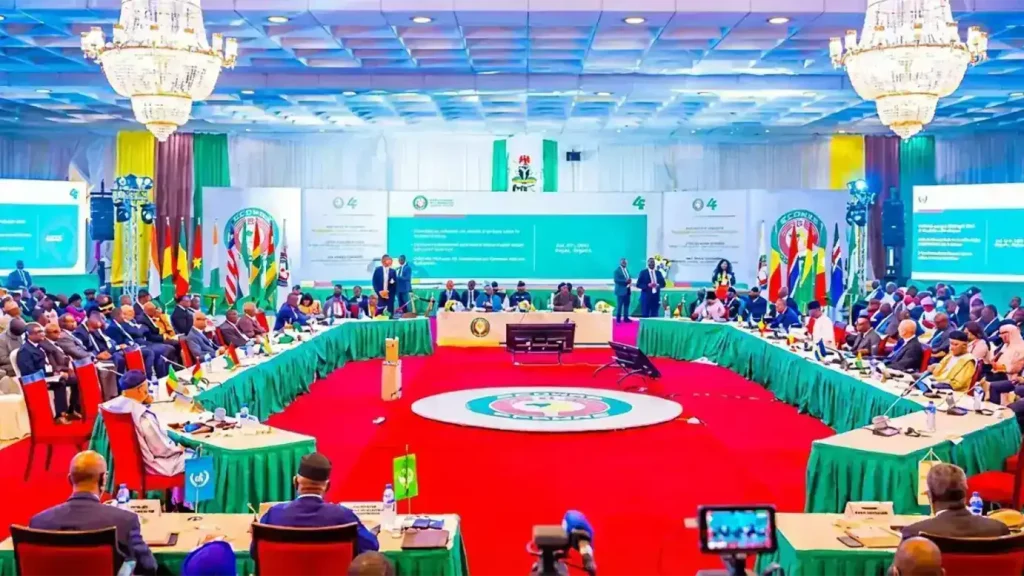
CDD-West Africa, established in 1997, continues to work with regional bodies such as the Economic Community of West African States and the African Union to promote democracy, peace and inclusive development across the region.
The organisation says its new plan represents a decisive step toward rebuilding trust in governance and securing a more stable future for West Africa.




 Armenian Dram
 Ghana Cedi
 Gambian Dalasi
 Guinea Franc
 Nigerian Naira
 CFA Franc BEAC