Starting January 1, 2026, every Nigerian with taxable income will need a Tax Identification Number (TIN) to open or operate bank accounts, insurance policies, or investment services.
This new rule comes from the Nigeria Tax Administration Act (NTAA) 2025, signed by President Bola Tinubu.
The Main Reason for the Deadline
The government wants to create a fairer tax system. Many people and businesses earn income but do not pay taxes. A TIN links all financial activities to one unique ID. This helps:
- Track taxable income accurately
- Reduce tax evasion
- Build a transparent economy
Without a TIN, banks and financial institutions cannot serve taxable customers after the deadline.
Who Needs a TIN?
- Anyone earning income from work, business, or investments
- Companies and organisations
- Non-residents earning money in Nigeria
Exemptions: Students, dependents, and people with no taxable income do not need one. Low earners below the tax threshold are also protected.
How It Affects Daily Life
From 2026:
- No TIN → Possible restrictions on bank transactions
- Applies to pensions, stock trading, and insurance too
The goal is not to burden ordinary citizens but to ensure those who can pay taxes do so fairly.
How to Get Your TIN (It’s Free and Easy)
Many Nigerians already have a TIN linked to their:
- National Identification Number (NIN)
- Bank Verification Number (BVN)
- Corporate Affairs Commission (CAC) registration for businesses
Check or register online at the Joint Tax Board portal (jtb.gov.ng) or FIRS website. No biometrics or physical card needed — just basic details.
Broader Tax Reforms
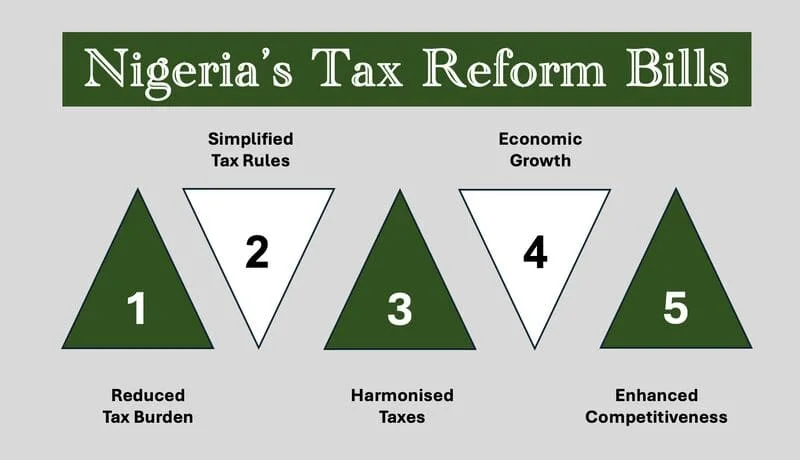
This rule is part of bigger changes to modernise Nigeria’s tax system:
- Simplify compliance
- Widen the tax base without raising rates for most people
- Use technology to make filing easier
Experts say it will help fund public services like roads, schools, and healthcare in the long run.
Act now to avoid disruptions — verify or get your TIN before January 2026.









 Armenian Dram
 Ghana Cedi
 Gambian Dalasi
 Guinea Franc
 Nigerian Naira
 CFA Franc BEAC