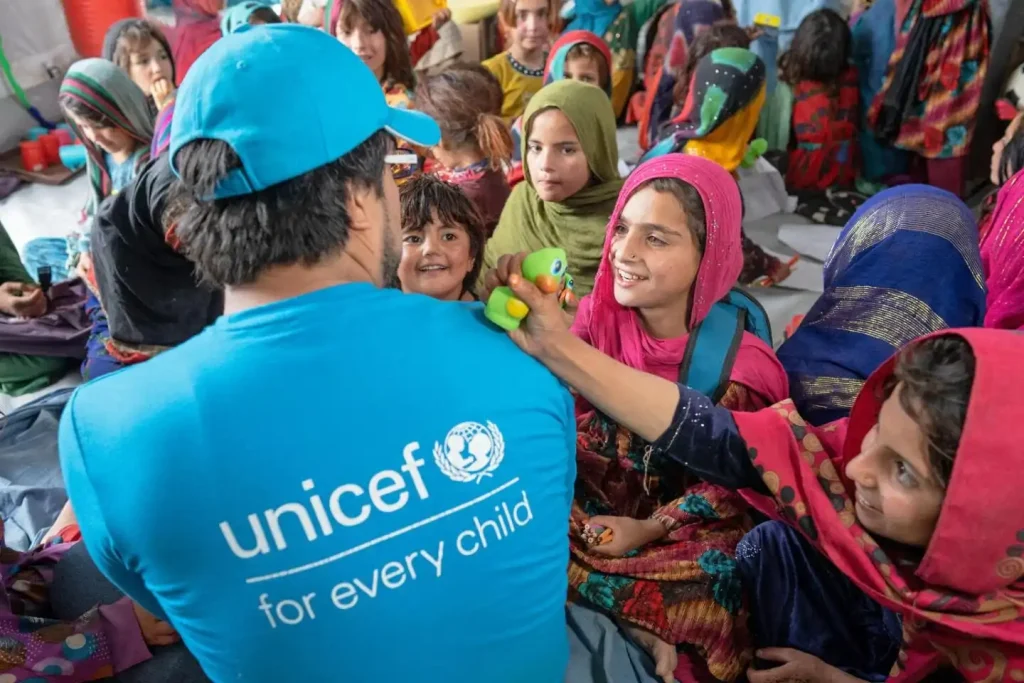
UNICEF has issued a global alert. Humanitarian needs for children have reached unprecedented levels.
To combat this, the United Nations agency has launched an urgent financial appeal. It requires $7.66 billion to provide life-saving assistance to 73 million children across 133 countries next year.
The agency identifies three main drivers of this escalating crisis: intensifying conflicts, rising hunger, and deep funding cuts.
A Generation at Risk
The agency released its Humanitarian Action for Children 2026 report. It shows that millions of children face the highest recorded levels of violence, displacement, and deprivation.
The most vulnerable groups include girls, children with disabilities, and those trapped in emergency zones.
The report highlights specific threats putting young lives at risk:
- Targeted Attacks: Ongoing strikes continue to hit schools and hospitals.
- Sexual Violence: There is an alarming rise in abuse within conflict zones.
- Protracted Crises: More than 200 million children will need humanitarian assistance in 2026 due to long-term instability.
‘Impossible Decisions’
UNICEF Executive Director Catherine Russell warned that a severe lack of resources is worsening the situation. The poor funding climate is crippling the agency’s ability to reach those in dire need.
Due to severe shortfalls, UNICEF has already made painful cuts:
- Nutrition: The agency reduced programs in 20 priority countries.
- Education: Funding cuts have left millions at risk of missing out on learning.
“Across our operations, frontline teams are being forced into impossible decisions,” Russell stated.
She explained that workers must now ration limited supplies. They often have to prioritize children in some places over others. Consequently, they are decreasing the frequency of services or scaling back interventions that children depend on to survive.
The Path Forward
Despite these challenges, the agency is adapting. UNICEF plans to prioritize critical life-saving interventions and strengthen partnerships to build resilience.
The organization is calling on governments, donors, and the private sector to step up. They urge partners to increase investment. This support is vital to uphold humanitarian principles and ensure no child is left behind.
READ ALSO: Beyond Rice Imports: Nigeria and Thailand Forge New ‘Strategic Partnership’









 Armenian Dram
 Ghana Cedi
 Gambian Dalasi
 Guinea Franc
 Nigerian Naira
 CFA Franc BEAC