Namibia’s Ministry of Health announced the country’s first confirmed Mpox case on Saturday, October 18, 2025, in Swakopmund, prompting an immediate outbreak declaration.
The patient, diagnosed on the same day, is stable and isolated at Swakopmund District Hospital. Following World Health Organization guidelines, which classify a single confirmed case as an outbreak, authorities have heightened vigilance to curb potential spread.
Initial findings suggest the case is linked to cross-border travel within Southern Africa, though details remain limited. The ministry is actively tracing contacts and monitoring for additional infections, particularly in the Erongo region, to prevent further cases.
Robust Response in Place
Health officials moved swiftly to contain the situation. The Erongo region’s health team is conducting thorough contact tracing, focusing on individuals who interacted with the patient.
Isolation units across Namibia are prepared to handle suspected cases, with the ministry assuring the public of its readiness to manage infectious diseases. “We have the infrastructure and protocols to respond effectively,” a health spokesperson said, urging calm but caution.
The ministry is also ramping up public awareness, educating communities about Mpox symptoms and prevention.
Hospitals and clinics are on alert, with staff trained to identify and isolate potential cases quickly. This proactive stance aims to limit the virus’s spread while maintaining public confidence.
Understanding Mpox
Mpox, a viral illness related to smallpox, spreads through direct skin contact, respiratory droplets, or contaminated objects like bedding.
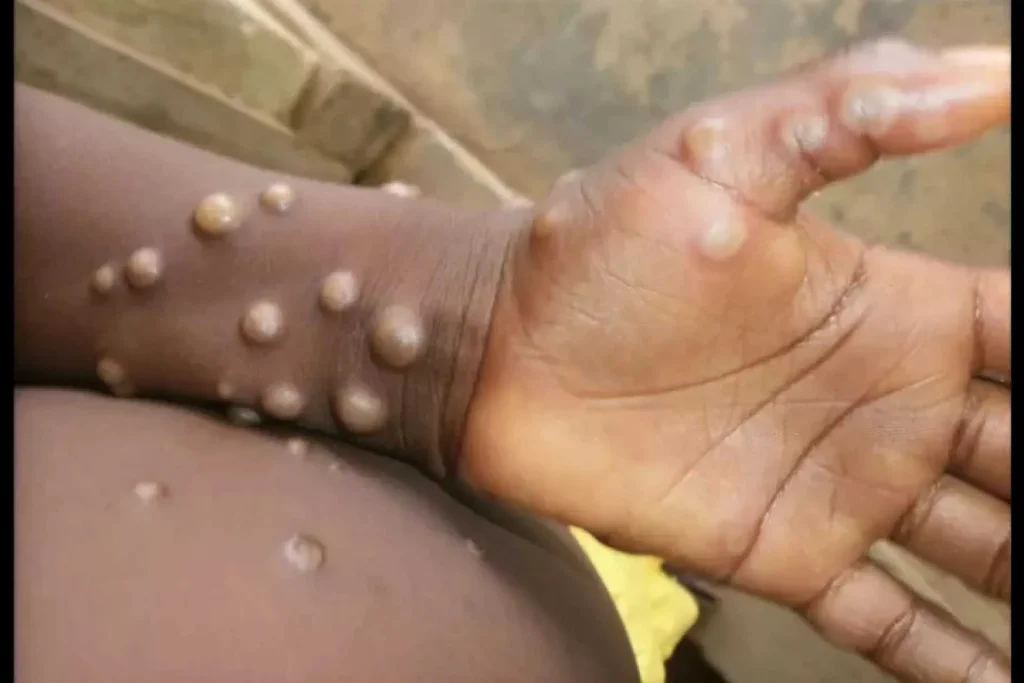
Symptoms include fever, swollen lymph nodes, and a distinctive rash with blisters, which can last two to four weeks. While often mild, Mpox can be severe in vulnerable groups, making early detection critical.
The disease has surged across Africa, with 17 countries, including Zambia, Malawi, Tanzania, and the Democratic Republic of Congo, reporting active outbreaks.
In 2025, the continent has seen over 118,000 cases, outpacing last year’s total and signaling a growing public health challenge.
Regional and Global Context
Namibia’s case reflects a broader regional concern, as cross-border movement fuels Mpox’s spread. Neighboring countries are also battling outbreaks, prompting calls for coordinated responses.
Namibia’s health system, though prepared, faces pressure to act swiftly given the virus’s contagious nature and the region’s interconnected travel networks.
The ministry is collaborating with regional health bodies to share data and strategies. Lessons from other African nations, where vaccination and isolation have slowed outbreaks, are guiding Namibia’s approach. Public health campaigns are emphasizing hygiene, avoiding contact with sick individuals, and prompt reporting of symptoms.
Moving Forward with Vigilance
Namibia’s swift declaration of an outbreak underscores its commitment to transparency and rapid response. The isolated patient’s stable condition offers hope, but the focus remains on preventing further cases.
Health officials are urging residents to stay informed, avoid close contact with symptomatic individuals, and seek medical help if symptoms appear.
As the Erongo team traces contacts, the nation watches closely. This first case tests Namibia’s health infrastructure but also highlights its preparedness.
With robust measures in place, authorities aim to contain Mpox quickly, protecting communities and contributing to Africa’s broader fight against the virus. The coming weeks will be critical as Namibia strives to keep the outbreak in check.
READ MORE: Zico Names Jay-Jay Okocha as Greatest African Footballer








 Armenian Dram
 Ghana Cedi
 Gambian Dalasi
 Guinea Franc
 Nigerian Naira
 CFA Franc BEAC