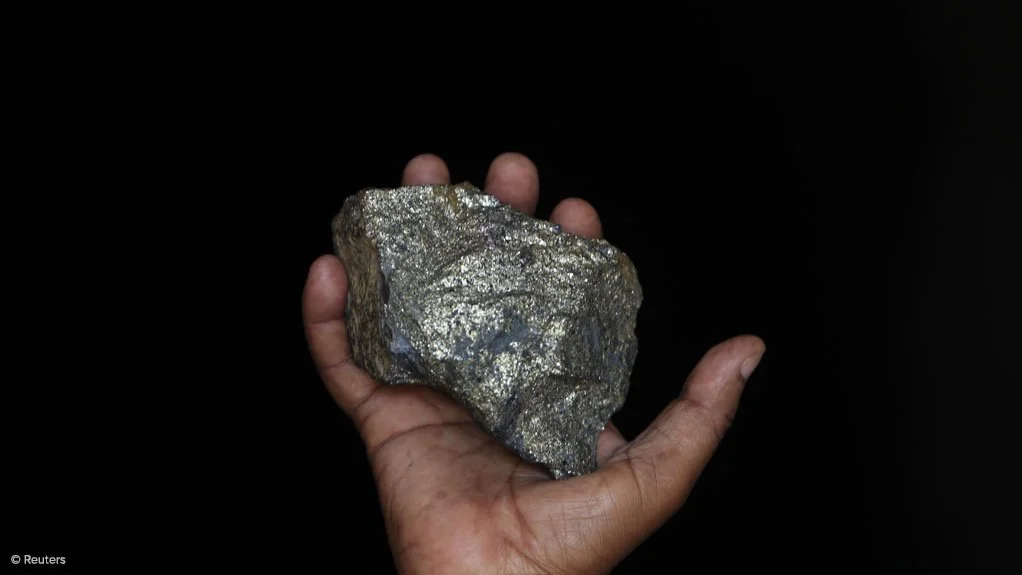
President Felix Tshisekedi of the Democratic Republic of Congo has declared that companies breaching the nation’s new cobalt export limits will face severe consequences, including a lifetime ban from the market.
As the global leader in cobalt production, supplying roughly 70% of the world’s supply, Congo aims to tighten oversight to prevent fraud and bolster prices for this vital battery metal.
New Quota System Takes Effect
In response to cobalt prices hitting a nine-year low, Congo paused exports in February.
The state’s mineral authority, ARECOMS, announced in September that a quota system based on past export records will replace the ban starting October 16.
For the remainder of 2025, miners can ship up to 18,125 metric tons, with annual limits set at 96,600 tons for 2026 and 2027. ARECOMS holds sole authority to issue or cancel these quotas.
Price Recovery and Industry Divide
Tshisekedi highlighted that the export halt sparked a 92% price surge since March, positioning the quota system as a key tool to stabilize the strategic market after years of exploitation.
While some major producers support the new rules, others, including the largest cobalt miner, have expressed opposition, revealing tensions within the industry.
Regional Challenges Persist
The policy shift coincides with ongoing turmoil in eastern Congo, where clashes between M23 rebels and government forces have caused widespread loss and displacement.
Efforts to foster peace and attract investment hit a snag recently when a proposed economic cooperation agreement between Congo and a neighboring country fell through, complicating regional stability.
A Strategic Move for Economic Control
Congo’s crackdown on cobalt exports reflects a broader push to regulate its critical resources.
With strict enforcement and hefty penalties, Tshisekedi’s administration seeks to strengthen its grip on the global cobalt market while addressing internal and external pressures.









 Armenian Dram
 Ghana Cedi
 Gambian Dalasi
 Guinea Franc
 Nigerian Naira
 CFA Franc BEAC