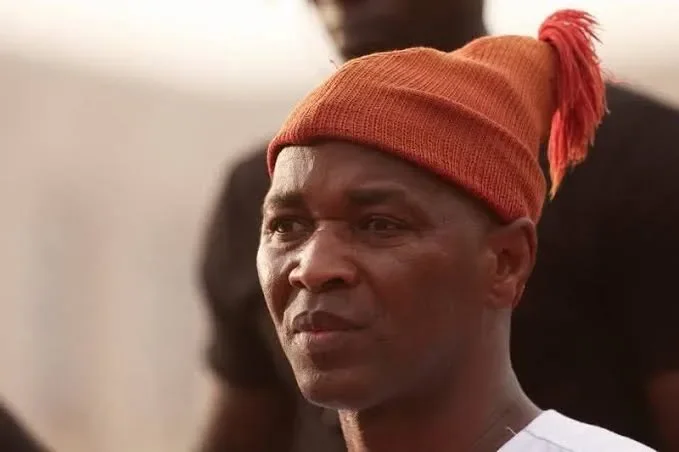
The Federal Government of Nigeria has intervened in the deepening political crisis in Guinea-Bissau, granting official asylum and diplomatic protection to opposition presidential candidate Fernando Dias da Costa.
The high-stakes move comes amid credible intelligence suggesting “imminent threats” to the politician’s life following the military coup that rocked the West African nation last week.
Sanctuary Amid Chaos
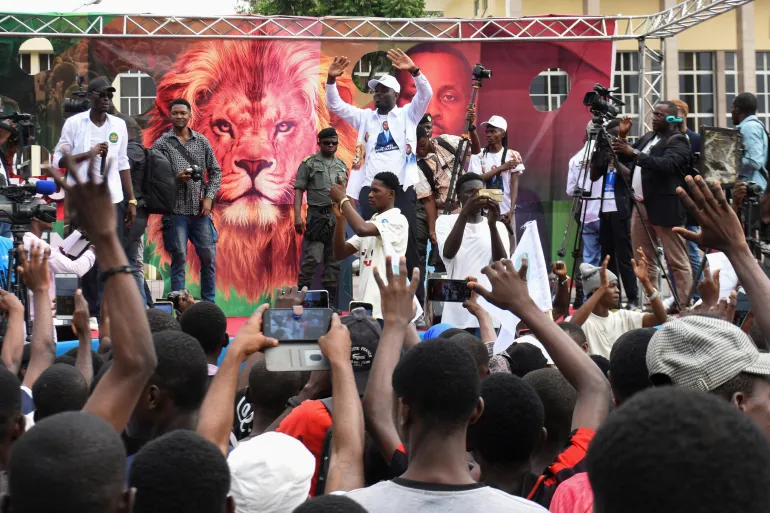
The directive arrives as tensions boil over in Bissau. Military officers seized power on Wednesday, abruptly suspending the electoral process just days after a hotly contested presidential poll. Both the incumbent, President Umaro Sissoco Embaló, and his challenger, da Costa, had claimed victory before the military stepped in.
In a decisive diplomatic maneuver, Nigeria’s Minister of Foreign Affairs, Yusuf Tuggar, formally communicated the asylum decision to the ECOWAS Commission President, Omar Touray.
According to the correspondence dated November 30, President Bola Tinubu personally authorized the protective measures. Da Costa is reportedly sheltering within the safety of the Nigerian Embassy in Bissau.
“The decision to accommodate Mr. Da Costa within the Nigerian premises underscores our firm commitment to safeguarding the democratic aspirations… of the good people of the Republic of Guinea-Bissau,” the letter declared.
To ensure the safety of the facility and its high-profile guest, Abuja has requested that the ECOWAS Stabilization Support Mission provide immediate security reinforcement for the embassy.
A Stabilizing Force
Officials in Abuja describe the intervention as a necessary “de-escalation” tactic. By shielding a key political figure from potential harm, Nigeria aims to prevent the volatile situation from spiraling into further violence.
The Foreign Ministry emphasized that this humanitarian action falls squarely within Nigeria’s sovereign responsibility to foster regional stability, adhering to ECOWAS protocols on protecting political actors during times of upheaval.
Junta Tightens Grip
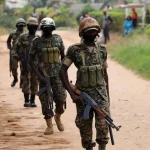
The crisis erupted on November 26 when the self-styled “High Military Command for the Restoration of National Security” seized government buildings and declared total control. The junta has since installed Horta Nta Na Man as transitional president for a one-year term.
While the military rulers initially sealed the country’s borders, they have since reversed course to ease economic pressure.
Meanwhile, the diplomatic fallout continues. ECOWAS has officially suspended Guinea-Bissau from the bloc. The regional body’s Chairman, Sierra Leonean President Julius Maada Bio, confirmed he has opened a “constructive discussion” with the junta leadership, remaining firm in the collective demand for a return to constitutional rule.







 Armenian Dram
 Ghana Cedi
 Gambian Dalasi
 Guinea Franc
 Nigerian Naira
 CFA Franc BEAC