The House of Representatives has approved a series of critical amendments to the Electoral Act Amendment Bill.
This decisive move aims to overhaul Nigeria’s democratic infrastructure and address flaws found in previous elections.
During a plenary session on Wednesday, lawmakers undertook a rigorous clause-by-clause consideration of the bill. Deputy Speaker Benjamin Kalu presided over the session.
Specifically, the approved changes empower the Independent National Electoral Commission (INEC). They also close gaps exposed during the 2023 general elections to reduce post-election litigation.
Strengthening INEC’s Operational Independence
A major focus of the legislative action was reinforcing the operational capacity of the electoral umpire. The House adopted Clauses 10 and 12.
These grant INEC stronger legal backing regarding the organization, supervision, and management of elections.
Consequently, this includes full authority over logistics and the deployment of personnel. Deputy Speaker Kalu stated that INEC must have the legal backing to deploy resources efficiently without interference.
Voter Registration and Inclusivity
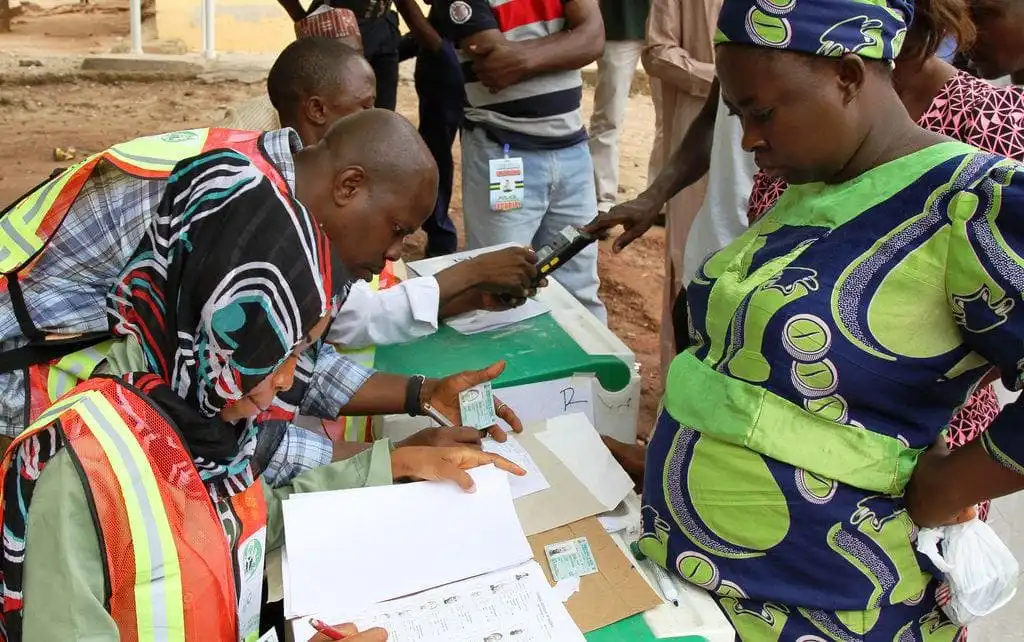
To tackle issues of register manipulation, lawmakers amended Clauses 18 and 22. These sections govern voter registration and the maintenance of the voters’ register.
Lawmaker Fatima Balarabe argued that no eligible voter should be disenfranchised due to errors in the register.
Earlier, the House also approved Clauses 3, 5, and 6. These update preliminary definitions to reflect contemporary realities and avoid legal ambiguities.
Legitimizing Technology and Result Transmission
Addressing contentious issues from the last election cycle, the House approved Clauses 47, 50, and 54. These provisions provide a solid legal framework for voter accreditation and the deployment of technology.
“Technology must support our elections,” Kalu noted. Furthermore, the House strengthened Clause 60 (declaration of results) and Clause 62 (collation and transmission). These changes ensure the integrity of the vote count and minimize disputes.
Tighter Rules for Parties and Candidates
The House also moved to streamline the internal processes of political parties. Clauses 23, 29, 31, 32, and 34 were approved to regulate:
- Party primaries
- Candidate nominations
- The publication of qualifications
Clarifying these timelines is essential for INEC to oversee parties effectively. This will likely reduce the number of pre-election court cases.
Tougher Penalties for Electoral Malpractice
Taking a firm stance against vote-buying, the Green Chamber adopted Clauses 64 and 65. These sections outline specific electoral offences and prescribe stricter penalties. Lawmaker Aisha Mohammed stated that strict penalties are key to deterring malpractice.
Additionally, Clauses 71, 73, and 74 were amended to speed up the resolution of election petitions.
Section 51 Deferred
Despite the progress, the House deferred the consideration of Section 51. Kalu clarified that this section was not part of the committee report before the House.
Under the current rules, it could not be taken at this session. However, the committee’s report was adopted as a working document for future deliberations.
Restoring Public Confidence
The 2023 elections exposed significant loopholes in the 2022 Act, particularly regarding technology usage. These amendments seek to fix those flaws.
In his closing remarks, Kalu assured Nigerians that these steps aim to restore confidence in the electoral process. He emphasized the commitment to ensuring that future elections are free, fair, and credible.










 Armenian Dram
 Ghana Cedi
 Gambian Dalasi
 Guinea Franc
 Nigerian Naira
 CFA Franc BEAC