
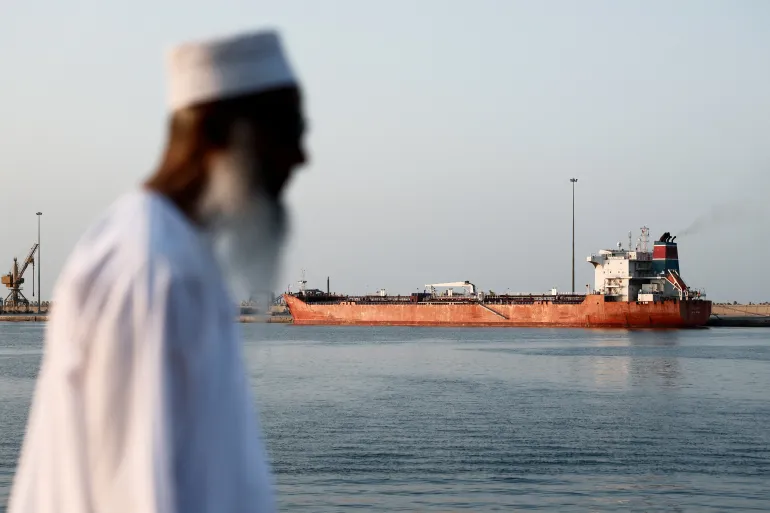
Ethiopia is aggressively pursuing a new, audacious goal that threatens to plunge the Horn of Africa back into conflict: securing access to the sea.
Prime Minister Abiy Ahmed has already delivered on massive infrastructure promises, including the completion of the Grand Ethiopian Renaissance Dam (GERD) on the Nile. He calls these projects the “harbinger of tomorrow’s dawn.”
However, his determination to break the landlocked nation’s geographic isolation has alarmed its neighbors. Tensions are rapidly escalating, raising fears that the region’s fragile peace is about to shatter.
The Red Sea Standoff
The most immediate flashpoint is Eritrea. Decades after seceding in 1993 and taking Ethiopia’s coastline with it, the Red Sea nation is once again a potential adversary.
Previously, Abiy won a Nobel Peace Prize for ending the stalemate with Eritrea. The two nations even allied to fight a brutal war in Ethiopia’s Tigray region. That alliance has now collapsed.
- War of Words: In June, Eritrea claimed Ethiopia harbors a “long-brewing war agenda” to seize its ports by force.
- Counter-Accusations: Addis Ababa insists its pursuit of a port is peaceful but recently alleged that Eritrea is “actively preparing to wage war” and funding rebel groups.
Magus Taylor, deputy Horn of Africa director at the International Crisis Group, warned that the situation is volatile.
“There’s a possibility of mistakes or miscalculation,” Taylor noted. “And the situation could deteriorate further in the coming months.”
Egypt and the Nile Crisis
While looking east to the sea, Abiy faces intensified pressure from the north regarding the Nile.
Egypt relies on the river for nearly all its drinking water. Cairo views the newly inaugurated GERD as an existential threat. Negotiations to regulate the dam’s operation during droughts have repeatedly failed.
Since the dam’s inauguration, Egypt has hardened its stance. In September, Cairo declared it would reserve “the right to take all necessary measures” to defend its water security.
Furthermore, Egypt is actively isolating Ethiopia. It has strengthened security ties with Eritrea and signed a military pact with Somalia. Somalia remains furious over a separate deal Ethiopia signed with the breakaway region of Somaliland to secure port access.
Internal Fractures Deepen
Abiy’s external ambitions contrast sharply with internal instability. Although the Tigray war formally ended in late 2022, the peace deal is fraying.
- Tigray: Regional rulers recently accused the federal government of “openly breaching” the truce following a drone strike.
- Amhara & Oromia: Ethnic-based insurgencies are raging. The “Fano” militia in Amhara and the Oromo Liberation Army in Oromia are fighting federal forces, claiming to represent oppressed populations.
Witnesses describe a landscape of lawlessness, featuring massacres, extrajudicial killings, and rampant kidnapping for ransom. Humanitarian aid groups are struggling to navigate the violence.
Amnesty International has characterized this chaos as a “revolving door of injustices.”
A Tale of Two Ethiopias
In the capital, Addis Ababa, the reality looks very different. Abiy is overseeing a massive urban facelift, spending billions on museums, parks, and a new conference center.
The Prime Minister plans to build Africa’s largest airport and even a nuclear power plant. Economic reforms, including floating the currency and opening the banking sector, helped secure a $3.4 billion IMF bailout.
Yet, this prosperity has not trickled down. The World Bank reports that poverty has spiked to 43%, up from 33% in 2016. High defense spending and inflation are eating away at household budgets.
“Abiy has a firm grip on the country at the centre, but then you have these periphery conflicts partly based on feelings of injustice – that they are poor and the centre is rich,” Taylor explained. “So we expect this kind of instability to continue in these areas.”
ALSO READ: Seoul and Tokyo Scramble Jets After China-Russia Joint Patrol








 Armenian Dram
 Ghana Cedi
 Gambian Dalasi
 Guinea Franc
 Nigerian Naira
 CFA Franc BEAC