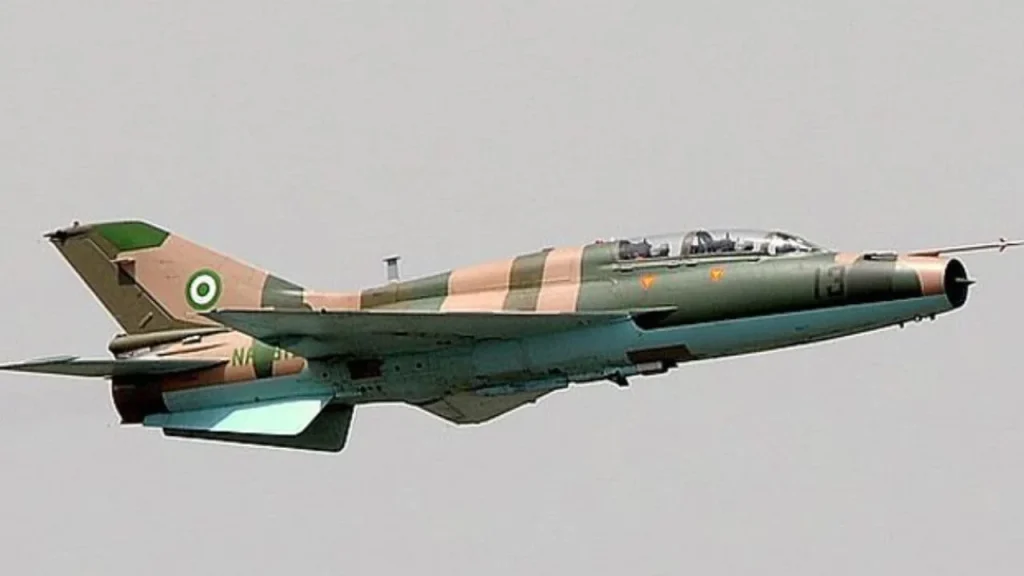
President of Benin, Patrice Talon, met with his cabinet ministers on Monday evening. This was their first meeting since the attempted coup on Sunday. The government later confirmed that Nigerian fighter jets helped thwart the soldiers’ mutiny.
Nigerian Military Intervention Confirmed
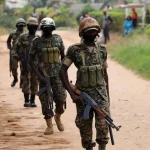
The government confirmed that the short-lived coup resulted in casualties. Both government forces and the rebel troops suffered losses. Abuja acknowledged sending jets and ground forces to its smaller neighbor to help restore order. Both Benin and Nigeria are members of the regional bloc ECOWAS.
Rationale for Regional Action
Political consultant Morgan Metondji Assogba said ECOWAS was strongly motivated to intervene in Benin. Assogba noted that the existing relationship allows the bloc to contribute to stability while respecting sovereignty.
He added that this was especially true given the series of recent coups in the West African region. He suggested ECOWAS learned from past experiences and that Benin supported the action. A Nigerian government spokesperson confirmed that President Talon had specifically requested Abuja’s military assistance.
Aftermath and Ongoing Search
Benin’s security forces have intensified the search for the coup leader, Colonel Tigri Pascal, who is currently on the run. Officials confirmed that several arrests have been made. Two senior military officers held hostage by the mutineers have also been released.
Nigeria’s Strategic Interest
Analysts suggest Nigeria has a strategic interest in defending its borders. Nigeria shares borders with Benin, Niger, Chad, and Cameroon. The country fears that the collapse of state order in Benin could trigger cross-border insecurity, illicit trade, and arms trafficking.
Despite a history of coups after independence in 1960, Benin has enjoyed relative calm over the past two decades. The country is set to elect a new president in April. Talon is scheduled to leave office after a decade in power.








 Armenian Dram
 Ghana Cedi
 Gambian Dalasi
 Guinea Franc
 Nigerian Naira
 CFA Franc BEAC