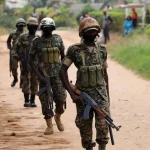
On Wednesday, October 15, 2025, intense fighting along the Pakistan-Afghanistan border claimed numerous lives, including soldiers and civilians, as hostilities between the two nations entered their second week.
Both sides reported significant casualties, fueling a cycle of blame and retaliation that threatens regional stability.
Roots of the Conflict
The violence surged after explosions in Afghanistan last week, including two in Kabul, which Afghan officials attributed to Pakistan.
The Taliban government responded with strikes on Pakistani border positions, prompting Islamabad to promise a forceful counteraction.
Pakistan accuses Afghanistan of sheltering Tehreek-e-Taliban Pakistan (TTP) militants, who have attacked its forces. Kabul denies these claims, asserting it does not support such groups.
Latest Skirmishes
Pakistan’s military reported repelling two Taliban attacks on border posts in the southwest and northwest. Near Spin Boldak in Afghanistan’s Kandahar province, about 20 Taliban fighters were killed early Wednesday.
The military stated the assault exploited civilian villages, endangering residents. Overnight clashes in the northwest reportedly left 30 more Taliban fighters dead.
Conversely, the Afghan Taliban claimed 15 civilians and two to three fighters died in Spin Boldak due to Pakistani mortar fire.
Taliban spokesperson Zabihullah Mujahid alleged Pakistani forces used heavy weapons, wounding 100 civilians and seizing enemy posts. Pakistan called these claims “baseless lies.”
Civilian Suffering
Local accounts paint a grim picture. In Spin Boldak, resident Sadiq described shelling starting at 4 a.m., striking homes and killing his cousin’s wife and son while injuring four children. Businesses closed, and many fled.
In Chaman, Pakistan, Raaz Muhammad, 51, recounted “total chaos” as gunfire woke his family, terrifying women and children.
Separately, in Pakistan’s Khyber Pakhtunkhwa, seven soldiers died in a checkpoint attack claimed by the Ittehad-ul-Mujahideen group.
Underlying Tensions
Pakistan’s defense minister recently noted failed attempts to persuade the Taliban to stop supporting TTP, which has killed hundreds of Pakistani troops since Kabul’s 2021 takeover.
Last week’s Kabul blasts coincided with a Taliban diplomat’s visit to India, Pakistan’s rival, with no group claiming responsibility.
On Saturday, the Taliban launched operations across five border provinces, citing Pakistani airstrikes on Kabul. Pakistan’s response led to dozens of deaths and disrupted trade by closing key crossings.
Ceasefire and Concerns
A 48-hour ceasefire was announced Wednesday to calm tensions, but the situation remains fragile. International actors, including China and Russia, urged restraint to avoid broader conflict.
The clashes along the Durand Line highlight deep-seated issues, with Pakistan reporting 23 soldiers killed in earlier skirmishes.
The closure of border routes has halted vital trade, worsening economic strain for Afghanistan.
Path Forward
The ongoing violence underscores the challenges of maintaining peace in a region marked by mistrust and militant activity.
As communities grapple with loss and displacement, the temporary truce offers a brief respite, but lasting solutions will require diplomatic efforts to address grievances and rebuild trust between the two nations.
Cameroon’s Youth Frustration: Biya’s 8th Term Bid Sparks Apathy





 Armenian Dram
 Ghana Cedi
 Gambian Dalasi
 Guinea Franc
 Nigerian Naira
 CFA Franc BEAC