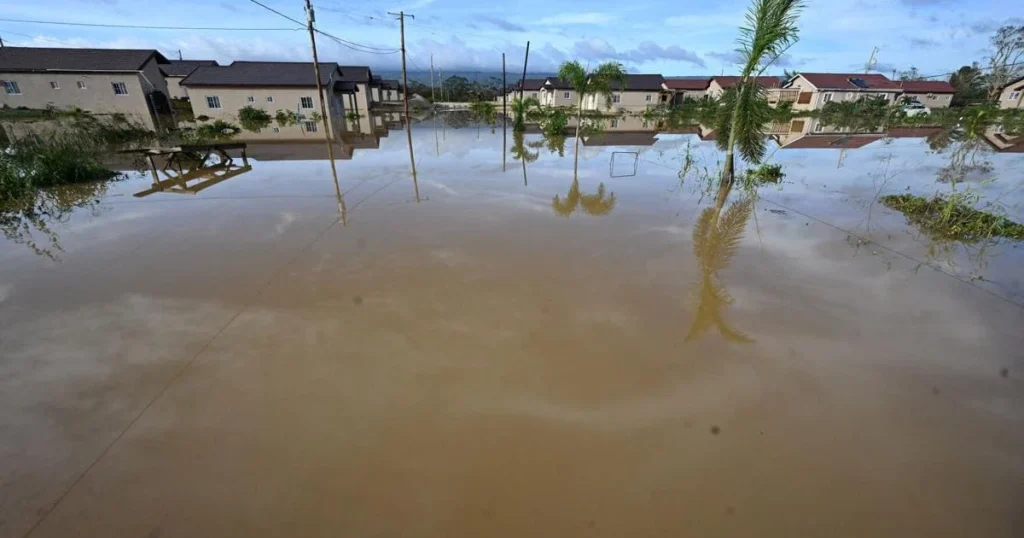
Fifty days after Hurricane Melissa struck the Caribbean, the United Nations has released a sobering assessment. The financial toll on Jamaica could reach as high as $15 billion.
This figure represents nearly a quarter of the island’s Gross Domestic Product (GDP). Consequently, it underscores the severe economic blow dealt by the storm.
Widespread Devastation
The human cost has been equally high. According to the latest reports, 45 people have died. Additionally, more than 600,000 residents have been affected by the disaster.
Nearly two months post-landfall, hundreds remain displaced. Many are still living in shelters with no immediate prospect of returning home.
Dennis Zulu, the UN Resident Coordinator, briefed reporters on Wednesday. He detailed the scale of the destruction.
“The physical devastation has been extensive nationwide, with at least 120,000 buildings, primarily in southwestern Jamaica, losing their roofs,” Zulu stated.
He further noted that the storm caused prolonged disruptions to critical infrastructure. As a result, the majority of the island’s parishes remained without electricity for weeks.
A Climate Warning
Meteorologists ranked Melissa as the third most powerful Atlantic storm on record. It left a trail of wreckage that extended beyond Jamaica to Haiti and Cuba.
Zulu emphasized that the hurricane serves as a grim reminder. He highlighted the fragility of economic progress in the face of extreme weather.
“Hurricane Melissa has once again shown how climate-related tropes can erase years of development progress in a matter of hours,” Zulu warned.
He pledged that the UN would continue to push for stronger resilience measures. Furthermore, they will advocate for better access to financing as recovery efforts move forward.
Humanitarian Response
In response to the crisis, Jamaican authorities and the United Nations have mobilized a massive operation.
Backed by the Central Emergency Response Fund and UN member states, the initiative is active. It is currently delivering essential food aid, medical care, sanitation services, and temporary housing to the hardest-hit areas.
READ ALSO: Botswana Probes Ukraine War Recruitment








 Armenian Dram
 Ghana Cedi
 Gambian Dalasi
 Guinea Franc
 Nigerian Naira
 CFA Franc BEAC