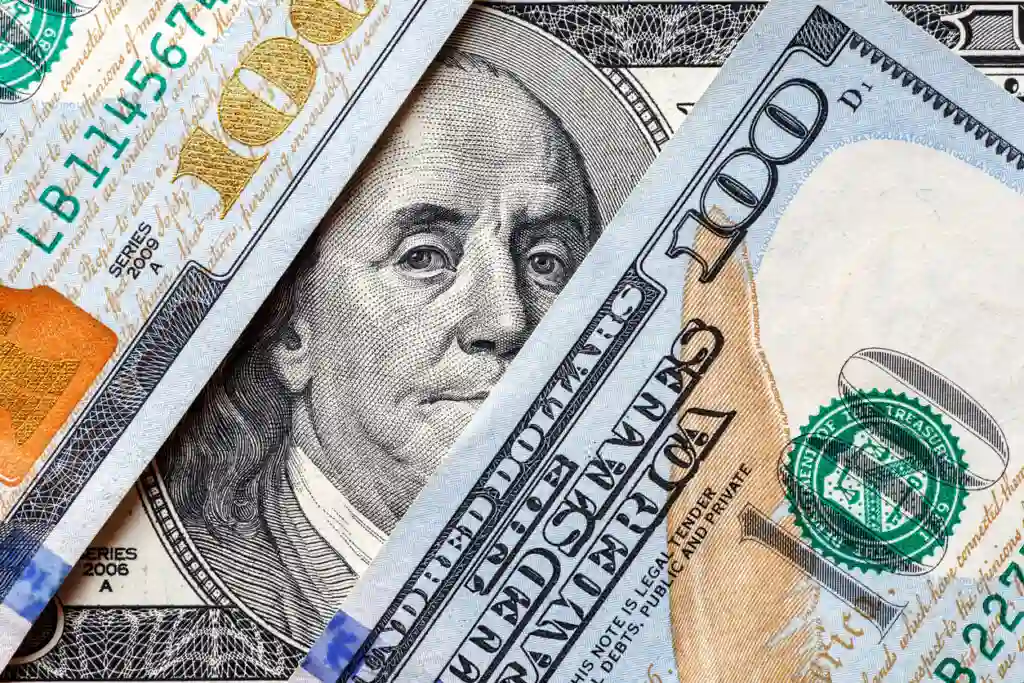
The US dollar strengthened against major global peers on Tuesday, reclaiming ground as markets shifted focus toward domestic economic indicators. Traders largely shrugged off recent geopolitical shocks, choosing instead to position themselves ahead of critical labor market reports due later this week.
Consequently, the dollar index, which tracks the greenback against a basket of six currencies, rose 0.19 percent to 98.57.
This uptick coincides with a pullback in the euro. The single currency dipped 0.26 percent to $1.169 after fresh data revealed that inflation in Germany and France slowed more than anticipated in December.
Geopolitics Takes a Backseat
Market sentiment remained surprisingly composed following the U.S. capture of Venezuelan President Nicolas Maduro over the weekend.
Despite the potential for escalation, the event failed to trigger a rush into safe-haven assets.
“The primary focus has been how the market would initially react to the Venezuela news… but we are not seeing any risk-off sentiment in the marketplace,” said Amo Sahota, director at Klarity FX.
Sahota noted that the situation appears to be contained, allowing investors to return their attention to fundamental economic drivers.
Fed Officials Split on Rate Cuts
Uncertainty regarding the Federal Reserve’s trajectory continues to loom over the US dollar.
Recent commentary from central bank officials has offered diverging paths for interest rates in 2026.
-
Governor Stephen Miran argued on Tuesday that the Fed must cut rates “aggressively” this year to sustain economic momentum.
-
Richmond Fed President Tom Barkin countered that policy changes need to be “finely tuned” based on incoming data.
-
Minneapolis Fed President Neel Kashkari warned of risks that the unemployment rate could “pop” higher.
Currently, futures markets are pricing in an 82 percent chance that the Fed will keep rates steady at its late January meeting.
Waiting for the Data Dump
Investors are now looking to exit the post-holiday “data vacuum.”
Analysts emphasize that the trajectory of the US dollar hinges on evidence regarding the health of the American jobs market.
“People want to see more evidence and they’re going to get a look at that this week starting tomorrow,” Sahota added.
The market is bracing for the ADP report and job openings data on Wednesday, culminating in the comprehensive non-farm payrolls report on Friday.
Global Currency Movements
While the dollar strengthened, other currencies saw mixed results.
The Australian dollar, often viewed as a proxy for global risk sentiment, outperformed peers. It hit a one-year high of $0.6739.
Conversely, the British pound dropped 0.27 percent to $1.3504, mirroring the euro’s decline on expectations of softer inflation. Meanwhile, the Japanese yen and Swiss franc weakened against the dollar, falling 0.14 percent and 0.49 percent, respectively.









 Armenian Dram
 Ghana Cedi
 Gambian Dalasi
 Guinea Franc
 Nigerian Naira
 CFA Franc BEAC