The United States and Kenya have finalized a landmark global health partnership. This marks the first agreement under the Trump administration’s “America First” foreign aid strategy.
Signed in Washington on Thursday, the deal signals a fundamental shift in US support for developing nations. The new strategy prioritizes co-financing and aims for eventual self-reliance.
This agreement serves as a prototype for future accords. U.S. officials expect to sign a series of similar bilateral deals soon. The framework fundamentally restructures the donor-recipient relationship. It requires partner nations to take an active role in combating major diseases, including:
- HIV/AIDS
- Malaria
- Tuberculosis
- Polio
A New Model of Assistance
The five-year deal is valued at $2.5 billion. It replaces a patchwork of legacy programs previously managed by the U.S. Agency for International Development (USAID), which has been dismantled.
Under this new framework, the US will channel funding directly to the Kenyan government. This bypasses third-party non-governmental organizations.
In exchange, Nairobi has committed to a gradual transition plan. The Kenyan government will eventually assume responsibility for the salaries of health workers initially funded by American aid.
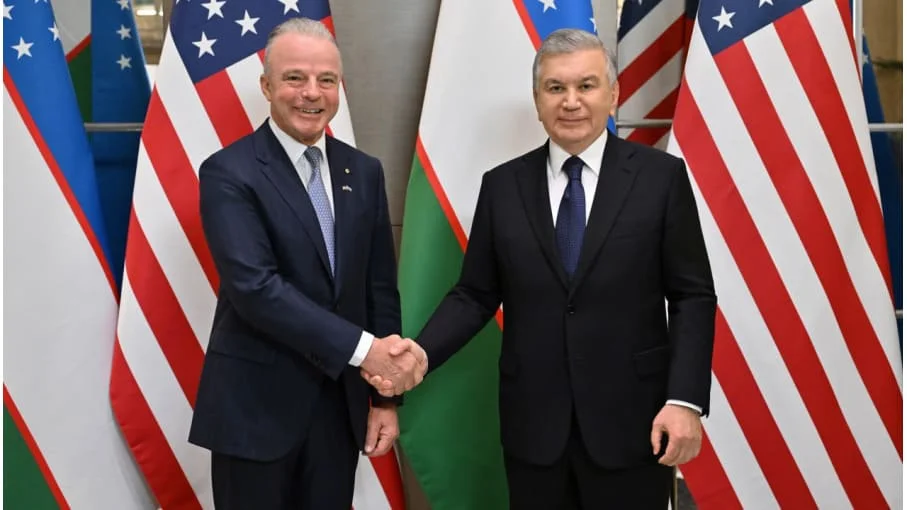
U.S. Secretary of State Marco Rubio emphasized this ideological shift during the signing ceremony.
“This is truly a partnership,” Rubio stated. “True assistance is self-sustainability, building the ability to sustain yourself in the long term.”
Kenya’s Financial Commitment
The deal includes strict co-financing requirements. Consequently, Kenya has pledged to increase its domestic health spending by $850 million over the next five years.
Kenyan President William Ruto praised the agreement. He described it as a testament to their shared resolve to build resilient systems. Furthermore, he noted that the influx of resources supports his domestic agenda.
“The framework we signed today adds momentum to my administration’s universal health coverage,” Ruto said. He highlighted the focus on modern equipment, timely delivery of commodities, and workforce enhancement.
The USAID Vacuum and Political Exclusions
This agreement arrives during significant turbulence in the global development sector. The Trump administration recently eliminated USAID as a standalone agency.
This restructuring has sparked widespread concern. Critics point to the defunding of hundreds of programs focused on maternal childcare and nutrition across the developing world.
Washington prepares to sign similar deals with other African nations soon. However, significant diplomatic gaps remain. Reports indicate that continental heavyweights Nigeria and South Africa will likely be excluded from this initial wave. This exclusion stems from ongoing political differences with the Trump administration.


 Armenian Dram
 Ghana Cedi
 Gambian Dalasi
 Guinea Franc
 Nigerian Naira
 CFA Franc BEAC