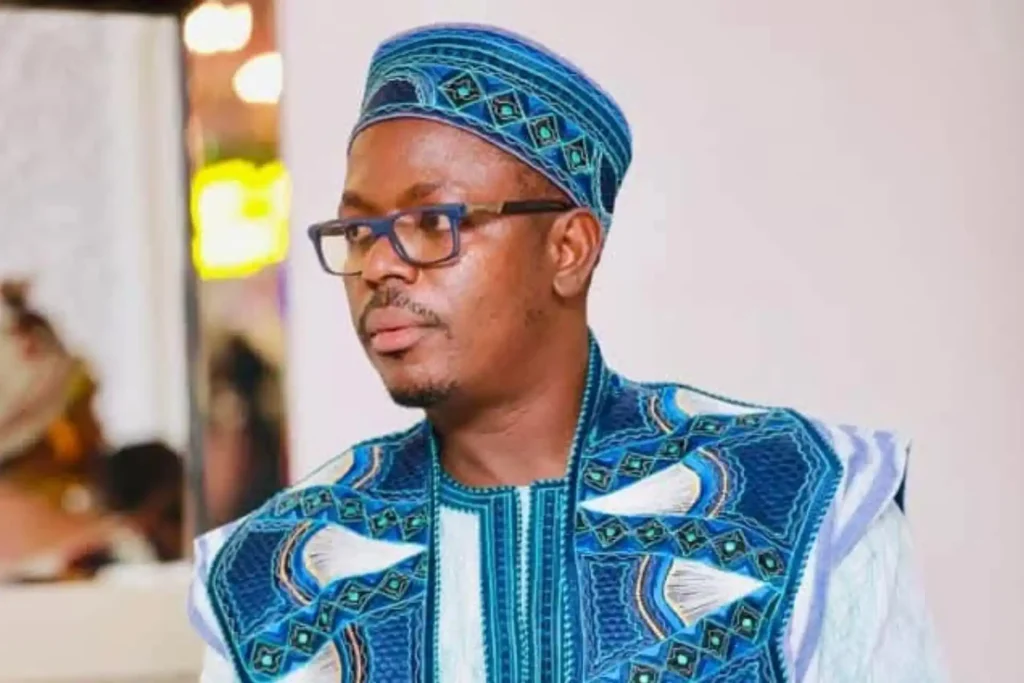
The body of Alain Christophe Traoré, popularly known as Alino Faso, has been returned to Burkina Faso from Côte d’Ivoire.
This has sparked grief and also a renewed call for justice.
Traoré, a well-known social media personality and outspoken supporter of Burkina Faso’s ruling junta, was found dead in his cell at a gendarmerie school in Abidjan in late July.
Ivorian authorities claimed he died by suicide, saying he hanged himself with bedsheets.
However, this explanation has been firmly rejected by his supporters and the Burkinabe government, who insist his death was a “villainous murder.”
Disputed Cause of Death
Neither Traoré’s family, his lawyer, nor Burkina Faso’s diplomatic mission was informed before the official announcement of his death.
Authorities in Ouagadougou have condemned the lack of communication, describing the circumstances as suspicious.
The Burkinabe government has demanded a joint investigation with Côte d’Ivoire, insisting that the truth must be uncovered and justice delivered.
Officials have vowed that Traoré’s death will not be dismissed as a mere incident.
Protests in Ouagadougou
The return of Traoré’s remains has now triggered protests in Burkina Faso’s capital.
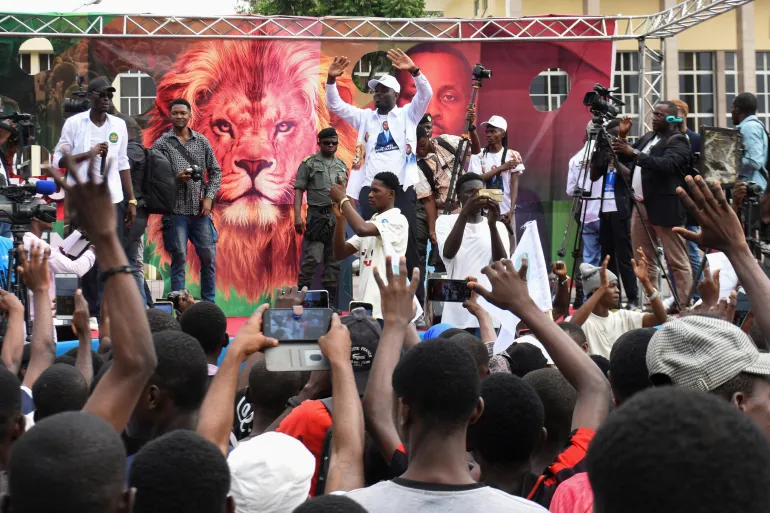
On Friday, hundreds of people dressed in white marched from the Thomas Sankara Memorial to the Ivorian embassy in Ouagadougou.
Demonstrators carried placards demanding justice, accusing Ivorian authorities of a cover-up.
Many said Traoré’s death reflects broader frustrations over political repression, instability, and the silencing of dissent across West Africa.
Government and Civil Society Reactions
Burkina Faso’s leaders have promised that Traoré’s death “will not go unpunished.”
They also pledged to keep pressing Côte d’Ivoire for cooperation in a transparent investigation.
Human rights groups, however, warn that the case could fuel diplomatic tensions between Ouagadougou and Abidjan.
Activists argue that it raises urgent questions about the detention of political voices, treatment of activists, and cross-border security practices in the region.
Civil society organizations are urging restraint, warning that escalating tensions could negatively affect trade, migration, and regional security ties.
A Symbol of National Sentiment
To many Burkinabe citizens, Traoré was more than an influencer.
He represented patriotism, defiance, and national pride.
His sudden death in foreign custody has therefore become a rallying point for calls for justice and accountability.
As his body is laid to rest in his homeland, the questions surrounding his death remain unresolved.
With public pressure mounting, the case is now seen as a test for Burkina Faso’s leadership—and a potential strain on the fragile relationship between two West African neighbors.




 Armenian Dram
 Ghana Cedi
 Gambian Dalasi
 Guinea Franc
 Nigerian Naira
 CFA Franc BEAC