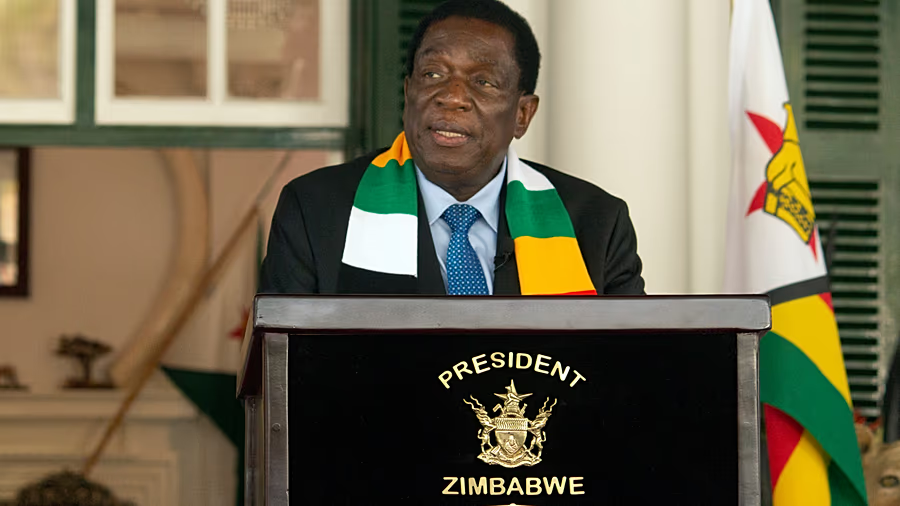
Tensions are rising across Zimbabwe as citizens voice strong opposition to a proposed constitutional amendment that critics warn could weaken democratic choice and extend President Emmerson Mnangagwa’s stay in power.
The debate has intensified during ongoing nationwide public hearings on the Constitution of Zimbabwe Amendment (No.3) Bill (CAB3), with emotions running high in cities and towns.
Heated Scenes at Public Hearings


In Chitungwiza, the country’s third-largest urban centre, tempers flared as residents gathered at a packed public forum to debate the proposed changes.
Eyewitnesses described chaotic scenes, with some attendees openly challenging speakers who supported the amendment. Outside the venue, small groups of protesters voiced their dissatisfaction, reflecting widespread unease among citizens.
What the Amendment Proposes
At the heart of the controversy is a proposal to:
- Extend presidential and legislative terms from five to seven years
- Allow parliament to elect the president instead of a direct popular vote
- Potentially keep Mnangagwa in office until 2030
Currently, Zimbabwe operates a two-term limit system, with presidents elected through nationwide voting.
Fears of One-Party Dominance
Critics argue that the changes could significantly tilt the political landscape in favour of the ruling ZANU-PF, which already holds a commanding majority in parliament.
Opponents fear that shifting presidential selection to parliament could effectively limit electoral competition, making it difficult for opposition figures to gain power.
“This is about the future of democracy,” one participant at the hearings said, warning that the reforms could “lock out the people’s voice.”
Government Seeks Public Input
The government, however, insists the process is consultative, with lawmakers holding four days of public hearings across the country to gather citizens’ views before making a final decision.
Officials say the amendment is aimed at strengthening governance structures, though they have not directly addressed concerns about its long-term political implications.
Growing National Debate
As the hearings continue, the proposed constitutional changes have sparked a broader national conversation about governance, accountability, and democratic rights in Zimbabwe.
For many citizens, the outcome of the debate could shape not just the next election—but the future of political participation in the country.




 Armenian Dram
 Ghana Cedi
 Gambian Dalasi
 Guinea Franc
 Nigerian Naira
 CFA Franc BEAC