Human rights advocates have issued a stark warning regarding potential threats to immigrant communities, foreign visitors, and journalists ahead of next year’s expanded FIFA World Cup.
The 2026 tournament, set to run from June 11 through July 19, will be the largest in history, featuring 104 matches across 16 venues in North America. While Mexico and Canada will each host 13 games, the bulk of the action—78 matches, including the entire knockout stage from the quarterfinals onward will take place in the United States.
However, with less than a year until kickoff, experts are scrutinizing FIFA’s commitment to upholding human rights amidst a shifting political landscape.
Immigration Crackdowns Spark Fear
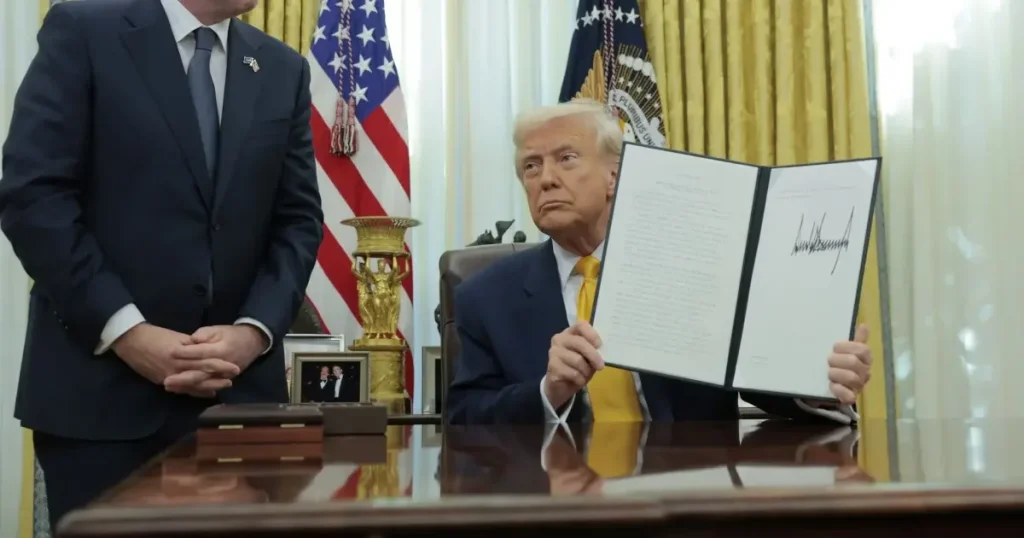
Concerns have intensified following the ramping up of immigration enforcement by United States President Donald Trump. Advocacy groups fear that federal law enforcement officers may use the global event as an opportunity to target workers and travelers for arrest and deportation.
Jamil Dakwar, Director of the American Civil Liberties Union’s Human Rights Program, cautioned that the tournament could be co-opted by political forces if safeguards are not established.
“Without action today, FIFA risks becoming a stage for authoritarianism,” Dakwar stated. “The longer FIFA stays silent, or doesn’t do enough, the greater the risk that their brand and event will become part of a public relations tool to normalize an increasingly authoritarian U.S. government.”
A coalition of organizations, including the NAACP, Amnesty International, Reporters Without Borders, and legal experts from Georgetown Law, has formally engaged FIFA President Gianni Infantino on these issues. The group reports that a letter outlining their concerns has yet to receive a response from the governing body.
Protecting the Press
Beyond immigration, the safety and freedom of the press have emerged as a critical priority.
Clayton Weimers, Executive Director of Reporters Without Borders USA, emphasized the vital role journalists will play in narrating the tournament to a global audience unable to attend in person.
“We have to ask ourselves, what kind of story are they going to hear or read or watch?” Weimers said. “We have to ensure that the story is freely told, that journalists have access, that journalists are safe, and that journalists are left alone to do their jobs.”
A Different Kind of Human Rights Challenge
The human rights landscape for the North American tournament differs significantly from recent controversies. Unlike Qatar 2022, which faced scrutiny over labor conditions in extreme heat during massive infrastructure projects, or the upcoming 2034 tournament in Saudi Arabia, the 2026 concerns focus on civil liberties within established democracies.
FIFA has outlined broad suggestions for the 2026 operational plans, including guidelines on non-discrimination, security, anti-trafficking measures, and protections for unhoused people and workers’ rights.
Despite these guidelines, the close relationship between FIFA President Gianni Infantino and President Trump remains a point of observation for critics. A spokesperson for the football governing body stated that the organization is collaborating with a White House task force to bring millions of people from different nations and communities together for the event.
READ ALSO: Penalties Send Napoli to Coppa Quarters





 Armenian Dram
 Ghana Cedi
 Gambian Dalasi
 Guinea Franc
 Nigerian Naira
 CFA Franc BEAC