Ghana’s constitution has long concentrated power in the hands of the presidency, allowing significant executive influence over governance institutions. With his recent election victory, President John Mahama has a unique opportunity to drive long-awaited constitutional reforms and restore public trust in the country’s democracy.
Mahama’s Electoral Mandate and Political Landscape
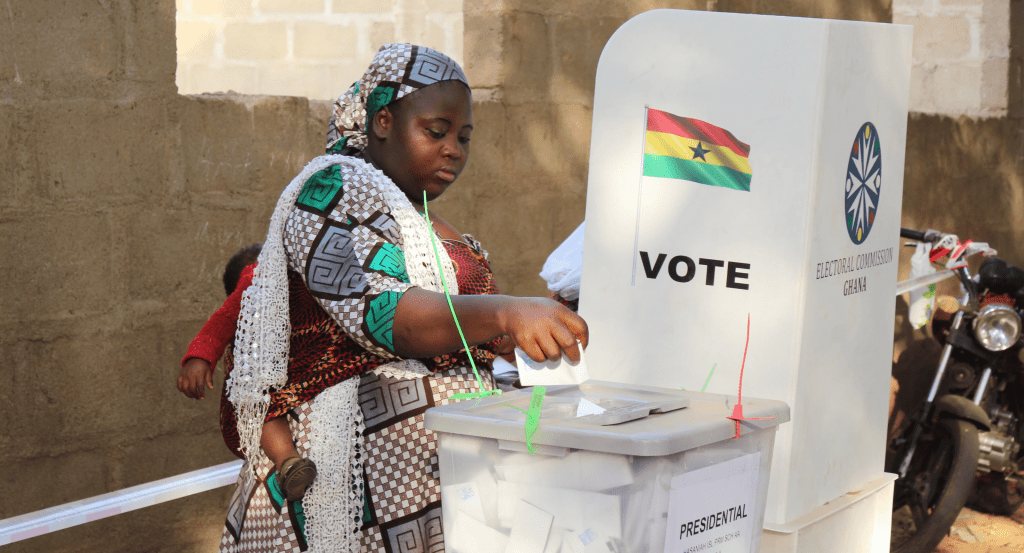
Winning nearly 57% of the vote in the December 2024 elections, Mahama’s National Democratic Congress (NDC) also secured about two-thirds of Parliament’s 276 seats. The smooth transfer of power on 7 January further reinforced Ghana’s democratic reputation. However, despite this stability, trust in governance has waned.
Between 2012 and 2024, public satisfaction with democracy dropped by 23%, while support for military rule more than doubled from 14% to 32%. Ghana’s Ibrahim Index of African Governance score has stagnated since 2014, reflecting declines in security, rule of law, and institutional trust.
The Executive Presidency: A Major Constitutional Flaw
Ghana’s presidential system is meant to balance power among the executive, legislative, and judicial branches. However, constitutional provisions grant the presidency immense control over governance:
- Extensive Appointment Powers: The president directly appoints over 4,000 government officials, including ministers, local leaders, and heads of key institutions.
- Parliamentary Control: Article 78 mandates that most ministers be chosen from Parliament, limiting legislative independence.
- Judicial Influence: The president appoints the Chief Justice and Superior Court judges with a simple parliamentary majority, allowing potential judicial manipulation.
- Security Oversight: The president can appoint or remove the Inspector General of Police and most of the Police Council, raising concerns about law enforcement neutrality.
- Electoral Commission Control: Article 70 enables the president to unilaterally appoint the Electoral Commission’s leadership, compromising electoral independence.
- Local Government Control: Article 243(1) allows the president to appoint all metropolitan, municipal, and district chief executives, undermining local governance.
The Case for Constitutional Reform
Mahama has established a constitutional review committee to revisit past recommendations and propose amendments. To strengthen Ghana’s democratic institutions, key reforms should include:
- Reducing Executive Appointments: Key government positions should undergo parliamentary approval or be filled through independent selection processes.
- Judicial Independence: The Chief Justice should be selected from a shortlist provided by the Judicial Council and approved by a two-thirds parliamentary majority. The number of Supreme Court judges should be capped.
- Electoral Reform: Electoral Commission heads should require parliamentary approval, with politically affiliated individuals barred from applying.
- Security Sector Reform: The Inspector General of Police should have a fixed tenure with protection from arbitrary dismissal.
- Legislative Autonomy: Article 78 should be amended to ensure a clear separation between Parliament and the Executive.
- Decentralization of Local Government: Articles 55(3) and 243(1) should be revised to allow elections of local executives, promoting grassroots democracy.
Can Mahama Deliver?
Mahama and the NDC’s two-thirds parliamentary majority give them the legislative power to enact meaningful reforms. Public support for these changes is strong, as evidenced by the 2011 Constitution Review Commission report. However, political challenges remain.
Past reform efforts have stalled due to partisan disagreements and executive resistance. While Mahama’s establishment of a review committee is a positive step, his commitment to institutional integrity over political interests will determine the success of his reform agenda.
Conclusion
Ghana stands at a crossroads. Mahama’s presidency presents a critical moment to address the long-standing constitutional flaws that have eroded public confidence in governance. If executed effectively, these reforms could redefine Ghana’s democratic landscape, ensuring stronger institutions, greater accountability, and a government that truly serves its people.






 Armenian Dram
 Ghana Cedi
 Gambian Dalasi
 Guinea Franc
 Nigerian Naira
 CFA Franc BEAC