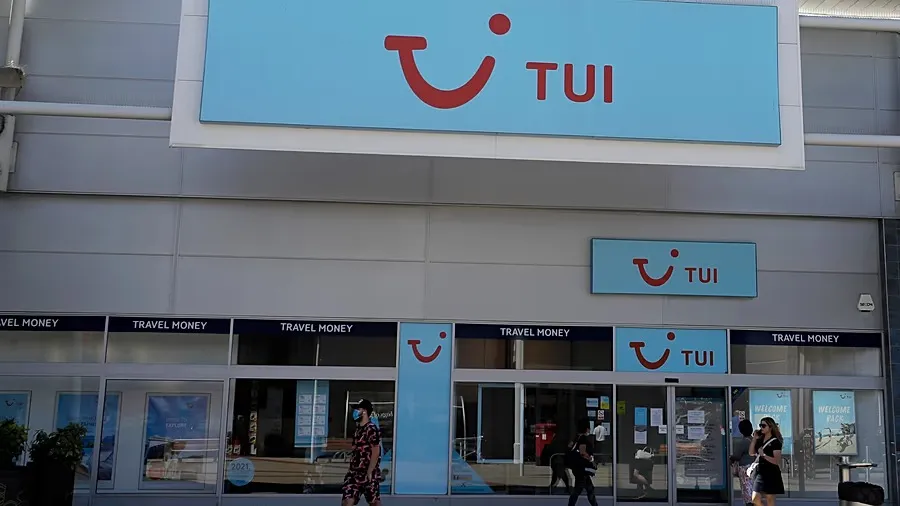
Nearly 1,700 British holidaymakers have launched legal action against travel giant TUI Group, alleging they fell seriously ill during package holidays to Cape Verde.
The lawsuits mark one of the largest group claims of its kind in recent years, raising fresh concerns about health and safety standards at popular tourist destinations.
Illnesses and reported deaths
Lawyers representing the tourists say their clients suffered a range of severe gastrointestinal illnesses, including salmonella, E. coli, and shigella, as well as parasitic infections.
At least eight deaths have reportedly been linked to serious stomach infections contracted during the trips, according to legal representatives.
The claimants allege that unsanitary conditions and poor food hygiene practices at hotels used by TUI contributed to the outbreaks.
Allegations target hotel standards
Many of the affected tourists stayed at resorts operated by RIU Hotels & Resorts, a major hospitality partner for TUI in Cape Verde.
The lawsuits claim that food preparation practices and hygiene standards at some of these properties fell below acceptable levels, exposing guests to health risks.
However, RIU has strongly rejected the allegations, insisting its hotels adhere to the “strictest international health and hygiene standards.”
TUI denies liability
TUI, which has taken over one million travellers to Cape Verde in recent years, has also denied responsibility for the illnesses.
The company maintains that it follows all required safety protocols and provides appropriate support to customers who fall ill during their holidays.
Popular destination under scrutiny
Cape Verde has long been a favourite destination for British tourists, known for its year-round sunshine, pristine beaches, and scenic landscapes.
But the scale of the legal action could cast a shadow over the country’s tourism sector, particularly if the claims lead to tighter scrutiny of hotel operations and food safety standards.
Legal battle ahead
With hundreds of cases now consolidated, the dispute is expected to develop into a complex legal battle involving multiple parties, including tour operators, hotel groups, and insurers.
For now, the case underscores the growing accountability pressures facing global travel companies as tourists demand higher safety standards and transparency when travelling abroad.










 Armenian Dram
 Ghana Cedi
 Gambian Dalasi
 Guinea Franc
 Nigerian Naira
 CFA Franc BEAC