
The World Bank Group has approved a $137 million regional programme aimed at expanding broadband access, boosting digital entrepreneurship and creating jobs across parts of West Africa.
The initiative—known as the second phase of the West Africa Regional Digital Integration Program (WARDIP)—will focus on strengthening the digital economy in Benin, Liberia and Sierra Leone.
According to the World Bank, the programme will improve internet connectivity, strengthen the regulatory environment for digital businesses and enable companies to expand operations across regional markets.
Millions to gain internet access
The project is expected to connect about 5.2 million people to new or upgraded broadband networks, while 5.4 million users will gain access to digitally enabled services across the three countries.
The initiative will also support the development of cross-border digital services to encourage deeper regional integration and strengthen West Africa’s emerging digital market.
Michel Rogy, Digital and AI Regional Practice Director at the World Bank, said the programme would help address long-standing connectivity challenges in the region.
“This initiative positions West Africa to accelerate economic transformation by creating jobs, strengthening resilience and enabling a more integrated regional digital market,” he said.
Infrastructure and skills development
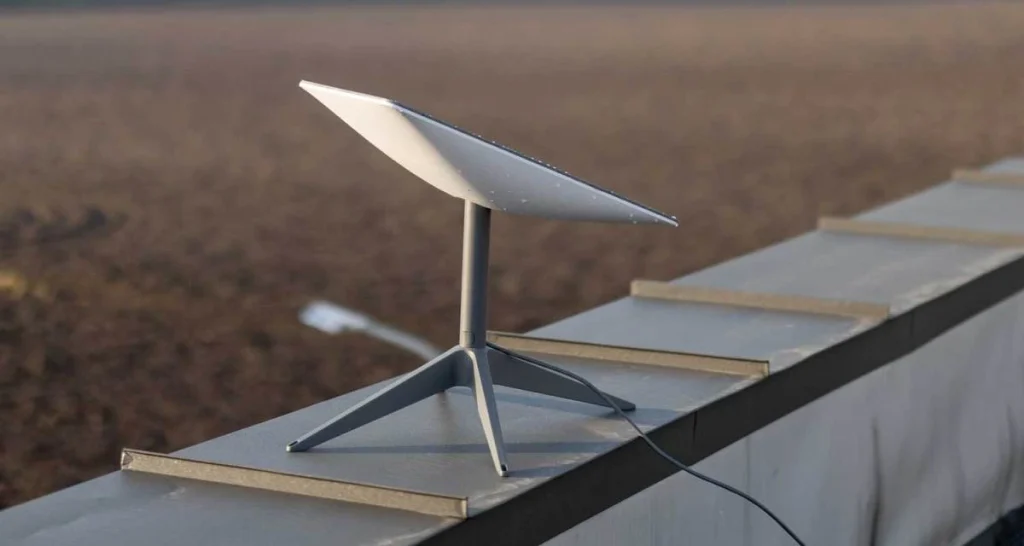
A key component of the programme involves investments in digital infrastructure, including expanding resilient broadband networks, improving international internet connectivity and strengthening data-centre capacity.
The initiative will also invest in human capital by providing digital skills training for about 9,000 people, with a focus on women and young professionals. Training will cover emerging fields such as artificial intelligence, cybersecurity and digital entrepreneurship.
Support for startups and SMEs
The programme will further promote innovation by supporting small and medium-sized enterprises (SMEs) and technology startups through access to financing, market opportunities and cross-border digital trade.
More than 140 digital startups, including women-led businesses, are expected to benefit from seed funding and ecosystem support designed to help firms scale across regional markets.
Marina Wes, Acting Regional Integration Director for Africa at the World Bank, said regulatory reforms and improved competition would be key to unlocking private investment.
“By harmonising regulations and improving digital governance across markets, the programme will create a more predictable and investment-friendly environment,” she said.
Building a regional digital market
The broader WARDIP programme was launched in 2023 to help build a single digital market in West Africa.
Its first phase supports The Gambia, Guinea, Guinea-Bissau and Mauritania, benefiting about 1.3 million people, roughly half of them women.
The programme is being implemented in collaboration with regional bodies including the African Union, Smart Africa Alliance and the Economic Community of West African States.
With the second phase now approved, the initiative expands to seven countries, while also strengthening cooperation with the West African Economic and Monetary Union to deepen regional digital integration and unlock new economic opportunities.




 Armenian Dram
 Ghana Cedi
 Gambian Dalasi
 Guinea Franc
 Nigerian Naira
 CFA Franc BEAC