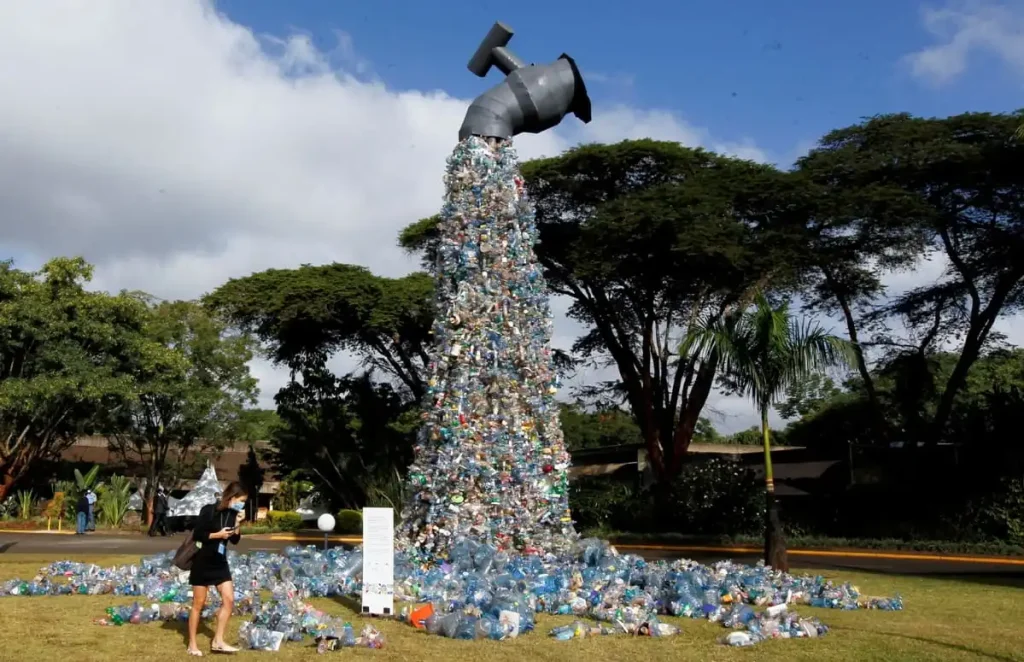
Delegates from over 170 nations have gathered in Nairobi, Kenya. They are attending the seventh session of the United Nations Environment Assembly (UNEA-7).
This high-level meeting comes at a critical time. Experts warn that a convergence of crises has created a global emergency. These crises include climate change, pollution, biodiversity loss, and land degradation.
Real Solutions for Real Problems
The assembly runs from December 8 to 12. Its primary focus is delivering “real solutions to real-world problems.”
The agenda covers a diverse range of critical issues. Delegates will discuss the environmental footprint of emerging technologies. They will also address ecological threats ranging from melting glaciers to rising seaweed blooms.
The Economic Case for Action
Inger Andersen, Executive Director of the UN Environment Programme (UNEP), opened the session. She issued a call for urgent, unified action.
Andersen emphasized a key point: protecting the environment is an economic necessity, not just a moral obligation.
“If we invest in a stable climate, if we invest in a healthy nature… then the world can enjoy significant economic gains,”Andersen stated.
She argued that such investments would deliver massive benefits:
- Prevent millions of premature deaths.
- Lift hundreds of millions out of hunger and poverty.
- Deliver greater climate justice.
Andersen stressed that no single country can solve these problems alone. She urged cooperation across borders and sectors to secure a pollution-free future.
Africa ‘Paying the Price’
Kenyan President William Ruto used the platform to highlight a specific injustice. He pointed out the disproportionate burden facing the African continent.
“Across our continent, from failed harvests to destructive floods… Africans are paying the price for a crisis they did not create,” Ruto said.
He insisted on a new path forward. This must involve “decoupling”economic growth from emissions and pollution. However, he cautioned that leaders must manage this transition carefully. The solutions must remain fair, affordable, and accessible to developing nations.
READ ALSO: UN Adviser Warns of ‘Unfinished Work’ as Genocide Risks Rise






 Armenian Dram
 Ghana Cedi
 Gambian Dalasi
 Guinea Franc
 Nigerian Naira
 CFA Franc BEAC