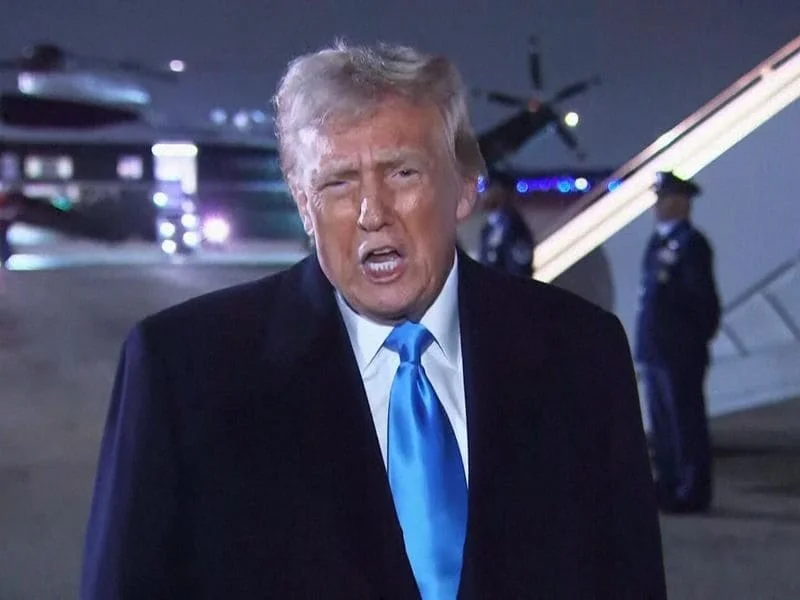
Susie Wiles, President Donald Trump’s White House Chief of Staff, has expressed shock over the abrupt dismantling of the U.S. Agency for International Development (USAID).
In a candid interview, she criticized the sudden halt of billions of dollars in critical assistance.
Speaking to Vanity Fair in an interview published Tuesday, Wiles described the actions taken by billionaire advisor Elon Musk as “horrifying to others.” Musk, tasked with shrinking the federal government during the administration’s initial months, led the rapid deconstruction of Washington’s premier humanitarian agency.
Internal Disagreement
Wiles’ comments reveal a stark contrast between her views and the official administration line. While President Trump has labeled USAID as “really corrupt” and the White House has launched a webpage alleging “waste and abuse” without citing specific evidence, Wiles defended the agency’s track record.
“I was initially aghast … Because I think anybody that pays attention to government and has ever paid attention to USAID believed, as I did, that they do very good work,” she told the magazine.
She also critiqued Musk’s aggressive strategy.
“He [Musk] decided that it was a better approach to shut it down, fire everybody, shut them out, and then go rebuild. Not the way I would do it,” Wiles stated.
Pushback and Clarification
Following the article’s publication, Wiles took to social media to label the story a “hit piece.” She argued that significant context was omitted and pushed back against how the interview was framed. The White House has not yet responded to requests for clarification regarding her specific comments.
The “America First” Freeze
The controversy stems from an executive order signed on January 20, the day of Trump’s inauguration. The President ordered a 90-day pause on all foreign aid to review alignment with his “America First” policy.
Musk and his Department of Government Efficiency moved swiftly. They fired tens of thousands of employees and suspended thousands of grants, effectively shutting down large swathes of the federal government.
Humanitarian Fallout
The executive order threw global aid operations into turmoil. Stop-work orders halted the delivery of life-saving food and medicine, disrupting relief efforts worldwide.
Although the administration promised waivers for essential aid, humanitarian workers report severe, ongoing consequences:
- Kenya: Funding freezes interrupted the global supply of therapeutic food for severely malnourished children. Despite funding being restored in March, shortages in health clinics persisted as late as October.
- Casualties: Aid groups such as Mercy Corps and Action Against Hunger have reported deaths among children in the Democratic Republic of Congo and Nigeria due to the inability to access treatment after U.S. programs were cut.
Shifting Global Burden
President Trump argues that the U.S. shoulders a disproportionate share of foreign aid costs and wants other nations to step up.
This aligns with a broader trend, as countries like Britain, France, Germany, the Netherlands, and Sweden have also scaled back international aid to focus on domestic priorities.
Despite reports from aid organizations, U.S. Secretary of State Marco Rubio has repeatedly denied that the cuts have resulted in any deaths.
READ ALSO: Nigerians Must Get TIN by January 2026: New Tax Rule Explained









 Armenian Dram
 Ghana Cedi
 Gambian Dalasi
 Guinea Franc
 Nigerian Naira
 CFA Franc BEAC