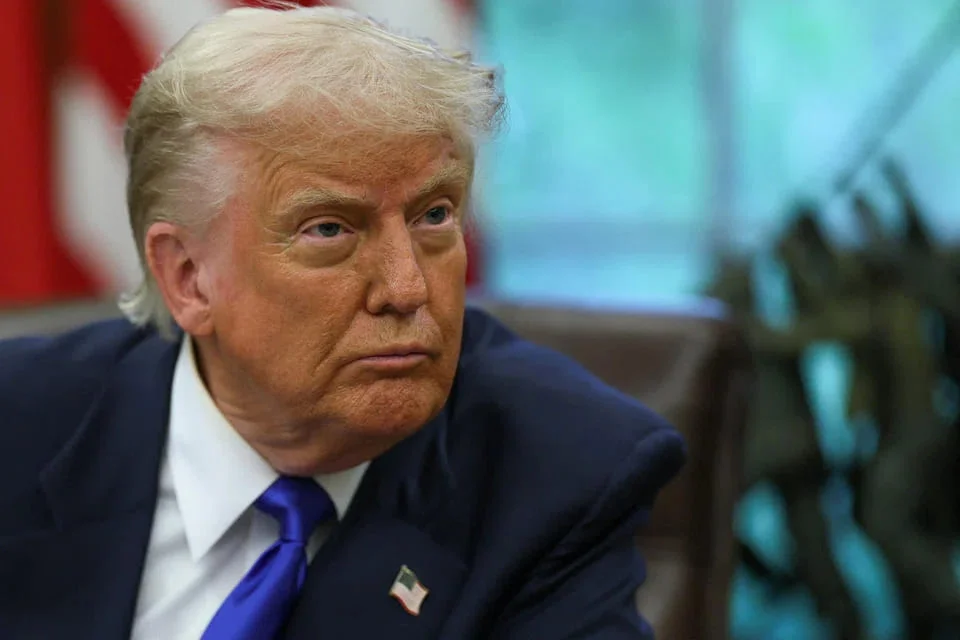
In a historic shift for American diplomacy, President Donald J. Trump signed a Presidential Memorandum on Wednesday, January 7, 2026. This directive officially orders the United States to withdraw from 66 international organizations. The administration describes this move as a strategic effort to realign foreign policy with “core American interests” while protecting national sovereignty.
Breaking Down the Global Exit
According to a Fact Sheet released by the White House, the directive targets a broad range of multilateral institutions. The administration believes these bodies no longer provide value to the United States.
The withdrawals are categorized into two distinct groups:
- 31 United Nations Entities: This list includes various sub-agencies and large-scale global programs.
- 35 Non-UN Organizations: These organizations range from international economic groups to specialized intergovernmental bodies.
The White House stated that these entities often operate in ways “contrary to U.S. national interests, security, or sovereignty.” Furthermore, this decision follows a comprehensive review of every treaty and organization currently receiving American financial support.
Restoring American Sovereignty
The administration frames this mass withdrawal as a significant victory for the American taxpayer. Officials argue that for decades, billions of dollars have supported globalist agendas. Consequently, these programs often prioritize international governance over the immediate needs of the American people.
The White House highlighted three primary reasons for the exit:
- Ideological Conflict: Many targeted groups promote “radical climate policies” that conflict with U.S. values.
- Operational Inefficiency: The administration claims many organizations fail to produce results despite receiving massive funding.
- Economic Protection: President Trump argues that exiting these groups will shield U.S. companies from unfair foreign interference.
“These withdrawals will end American taxpayer funding for entities that advance global agendas over U.S. priorities,” the official statement confirmed.
A Consistent “America First” Pattern
This recent action reinforces the “America First” doctrine. Since his return to the Oval Office, President Trump has already executed several high-profile departures:
- The World Health Organization (WHO): The U.S. began its withdrawal process on Day One.
- The Paris Climate Agreement: U.S. participation was once again formally terminated.
- The OECD Global Tax Deal: Trump declared the deal has “no force or effect” within the United States.
- UN Human Rights Council & UNRWA: The U.S. has prohibited all future funding and ended participation in these groups.
Shifting Focus to Domestic Growth
The administration emphasizes that the billions of dollars saved will stay within the country. Specifically, the government will redirect these resources to support domestic infrastructure, military readiness, and border security. By removing support from “ineffective” international bodies, the White House is recalibrating the nation’s global footprint.
While critics warn that this move may diminish U.S. influence abroad, the administration remains undeterred. Their message is clear: international engagement must serve the United States first, or it will not be supported at all.
READ ALSO: Spotlight: The Rise of African Tech and the Essential Skills for 2026






 Armenian Dram
 Ghana Cedi
 Gambian Dalasi
 Guinea Franc
 Nigerian Naira
 CFA Franc BEAC