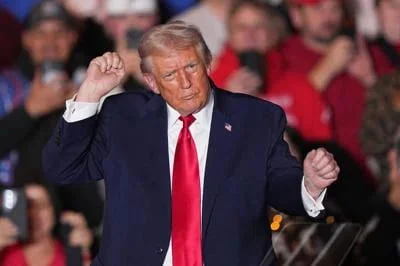
U.S. President Donald Trump has significantly expanded the list of nations subject to travel restrictions, prohibiting citizens from seven additional countries—including Syria from entering the United States.
The White House announced on Tuesday that the President signed a proclamation aimed at strengthening national security.
The statement cited “persistent and severe deficiencies in screening, vetting, and information-sharing” as the primary driver for the new measures.
The New Restrictions
Effective January 1, the expanded ban targets citizens from:
- Burkina Faso
- Mali
- Niger
- South Sudan
- Syria
- Palestinian Territories (holders of Palestinian Authority-issued documents)
Additionally, Laos and Sierra Leone, previously subject to only partial restrictions, now face a full ban.
The Syria Shift
The inclusion of Syria marks a notable policy pivot. In November, President Trump held landmark talks with Syrian President Ahmed al-Sharaa—a former rebel commander who toppled Bashar al-Assad. At the time, Trump vowed to support Syria’s success.
However, tensions flared recently. On Saturday, Trump threatened “very serious retaliation” on his Truth Social platform after two U.S. Army soldiers and a civilian interpreter were killed in Syria. The attack, attributed to a suspected Islamic State militant, targeted a joint American-Syrian convoy.
Justifying the ban, the White House pointed to Syria’s internal instability.
“Syria is emerging from a protracted period of civil unrest… [it] still lacks an adequate central authority for issuing passports or civil documents and does not have appropriate screening and vetting measures,” the administration stated.
Partial Restrictions and Nigeria
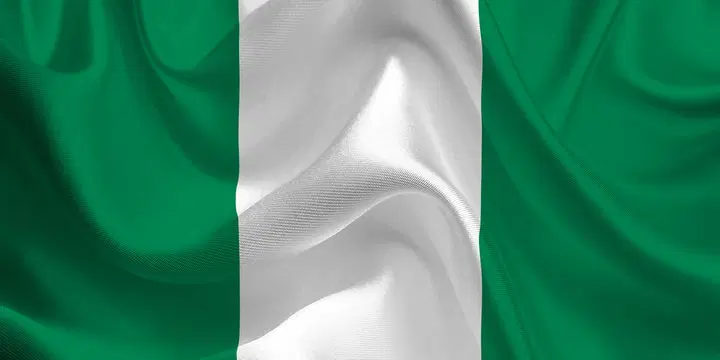
Beyond the full bans, the administration added partial entry limitations on 15 other countries. Among them is Nigeria, Africa’s most populous nation.
Nigeria has recently come under scrutiny from President Trump, who in early November threatened military action over allegations regarding the treatment of Christians.
The Nigerian government has strongly pushed back, arguing that such claims misrepresent the country’s complex security dynamics and ignore efforts to protect religious freedom.
Broader Immigration Crackdown
This expansion builds upon a proclamation signed in June that already banned citizens from 12 countries. Those earlier restrictions remain in place.
The bans apply broadly to both immigrants and non-immigrants, affecting tourists, students, and business travelers alike.
Since his inauguration in January, President Trump has aggressively prioritized immigration enforcement. This includes deploying federal agents to major cities and turning away asylum seekers at the U.S.-Mexico border.
The latest escalation follows a shooting incident in Washington, D.C. last month, where two National Guard members were killed.
Investigators identified the suspect as an Afghan national who entered the U.S. in 2021. Administration officials argue that the resettlement program at that time lacked sufficient vetting.
Following that incident, Trump vowed to “permanently pause” migration from what he termed “Third World Countries,” though no specific definition or list was provided at the time.
READ ALSO: Australia Vows Stricter Gun Laws After Bondi Massacre







 Armenian Dram
 Ghana Cedi
 Gambian Dalasi
 Guinea Franc
 Nigerian Naira
 CFA Franc BEAC