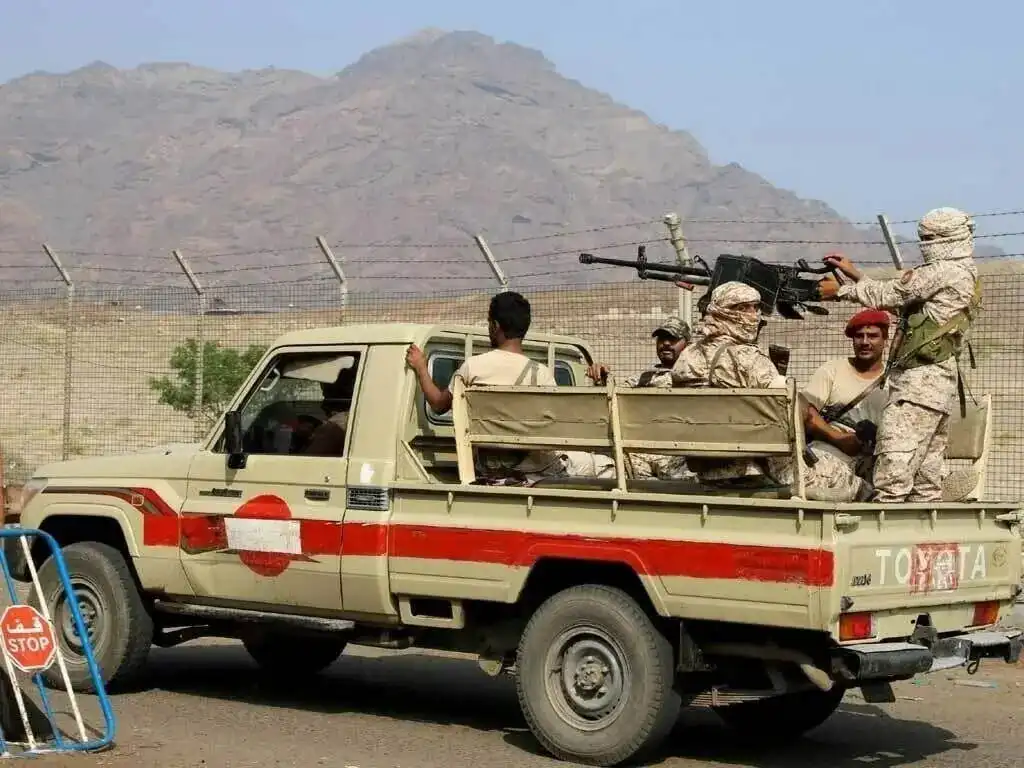
On Tuesday, December 30, 2025, the United Arab Emirates (UAE) announced the full withdrawal of its remaining military forces from Yemen.
This decision follows a 24-hour ultimatum issued by Yemen’s Saudi-backed leadership and a direct military strike by the Saudi-led coalition on an Emirati-linked shipment.
The sudden exit marks a historic low point in the relationship between Riyadh and Abu Dhabi. These two nations were once the primary architects of regional security in the Arabian Peninsula.
The Mukalla Incident: A Sharp Escalation
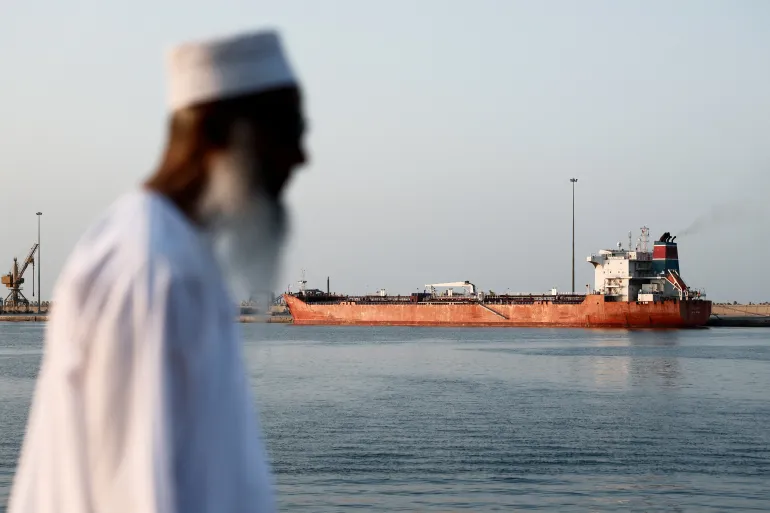
The breaking point occurred when the Saudi-led coalition launched an airstrike on the southern Yemeni port of Mukalla. The coalition targeted a dock and a shipment it claimed contained “foreign military support” and weaponry intended for southern separatists.
The two nations provided conflicting accounts of the strike:
- The Saudi Position: Riyadh alleges the shipment was a covert delivery of weapons designed to bolster separatist forces.
- The UAE Response: Abu Dhabi expressed surprise at the attack. They maintained that the cargo contained no weapons and was strictly for the logistical needs of Emirati personnel.
A Growing Rift in the Gulf
While the two nations previously collaborated against Houthi forces, their visions for Yemen have sharply diverged.
- Political Support: Saudi Arabia backs Yemen’s internationally recognized government. In contrast, the UAE supports the Southern Transitional Council (STC), which seeks self-rule.
- National Security “Red Lines”: Saudi Arabia accused the UAE of directing the STC to conduct military operations near the kingdom’s borders.
- Governance Fallout: Rashad al-Alimi, head of Yemen’s Presidential Council, has officially cancelled a defense pact with the UAE. In a televised address, he accused the UAE of fueling internal rebellion.
Economic and Energy Impact
The fallout between these two regional heavyweights has immediately impacted markets and global energy outlooks.
- Market Reaction: Major stock indexes across the Gulf region declined on Tuesday as investors reacted to the geopolitical tension.
- OPEC+ Stability: Both nations are influential members of OPEC. The current dispute threatens the consensus needed for future oil output decisions ahead of their online meeting this Sunday.
Current Status of Diplomacy
The UAE has called for a “responsible” handling of the crisis, urging all parties to rely on coordinated facts. However, with the defense pact dissolved and the withdrawal underway, the physical presence of Emirati forces in Yemen is coming to an end.
ALSO READ: Taiwan Braces as China Launches Largest-Ever Encirclement Drills









 Armenian Dram
 Ghana Cedi
 Gambian Dalasi
 Guinea Franc
 Nigerian Naira
 CFA Franc BEAC