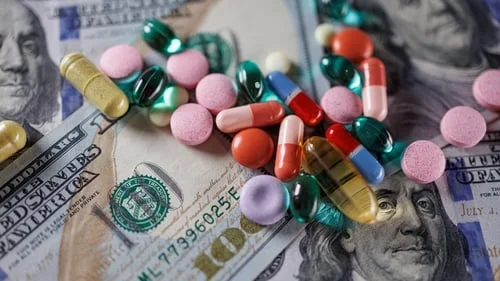
The United Kingdom and the United States have finalized a major trade agreement. This deal ensures that tariffs on UK pharmaceutical shipments to the US remain at zero.
In exchange for this trade protection, the UK government has committed to increasing the amount the National Health Service (NHS) pays for medicines.
This agreement marks a significant policy shift. It represents the first time in over two decades that the pricing structure for NHS medicines will rise. Under the terms of the deal, the US guarantees that import taxes on British-made pharmaceuticals will stay at 0% for the next three years.
A Strategic Trade-Off
The deal follows serious threats from the US administration. Previously, the US threatened to impose tariffs as high as 100% on branded drug imports. These drugs are one of the UK’s most valuable export commodities.
The US President argued that American consumers effectively subsidize global drug development by paying premium prices. Meanwhile, other nations pay far less. To address these concerns and secure market access, the UK agreed to several financial adjustments:
- Price Thresholds: The UK will raise the cost threshold for new treatments by 25%.
- Increased Investment: The government aims to double NHS spending on medicines. This will move from 0.3% of GDP to 0.6% over the next ten years.
- Rebate Caps: The amount drug companies must pay back to the NHS will be capped at 15%. This is a reduction from the previous rate, which exceeded 20%.
Business and Trade Secretary Peter Kyle described the deal as a vital measure. He stated it will protect exports worth billions annually and safeguard jobs.
Industry Reaction and Investment
The agreement aims to resolve a long-standing dispute between the government and the pharmaceutical industry regarding drug approvals and costs.
Recently, pressure led to a cooling of investor sentiment. Major firms such as GSK, Merck, and AstraZeneca had paused or redirected planned UK investments toward the US.
However, confidence appears to be returning following the announcement. US pharmaceutical company Bristol Myers Squibb stated it now anticipates investing over $500 million in the UK over the next five years. This investment will cover research, development, and manufacturing.
Domestic Financial Implications
While the deal secures vital export routes, it raises questions about domestic healthcare funding.
On the positive side, the changes may allow the NHS advisory body to approve an additional three to five medicines annually. However, critics warn that the agreement could add billions to the national drug bill.
Health policy analysts have expressed concern about funding sources. They note that the Treasury must fully fund these extra costs. In a time of stretched budgets, they argue these funds might otherwise have gone toward GP services or reducing hospital backlogs.
Nevertheless, US officials hailed the agreement as a historic step. They believe it ensures developed nations contribute a “fair share” to the global pharmaceutical ecosystem.
Egypt Auctions $950 Million in 1-Year Dollar T-Bills on December 1






 Armenian Dram
 Ghana Cedi
 Gambian Dalasi
 Guinea Franc
 Nigerian Naira
 CFA Franc BEAC