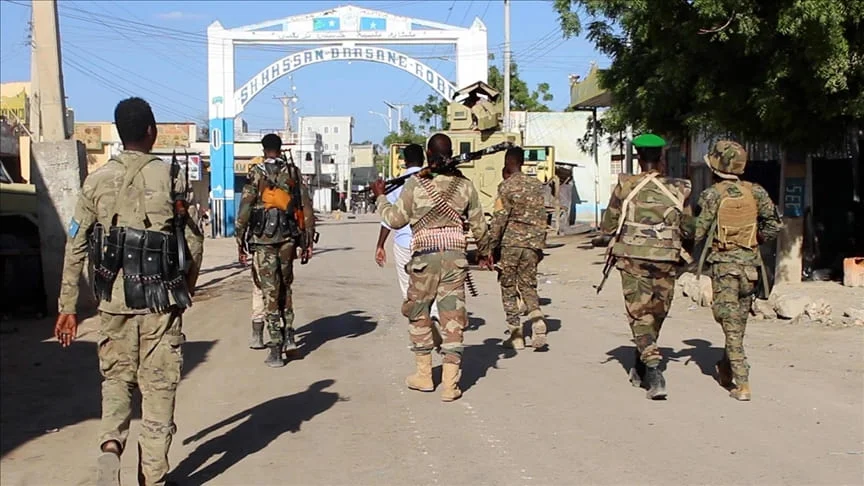
The United Nations Security Council voted on Tuesday to prolong the African Union’s peacekeeping mission in Somalia. This decision extends the mission’s mandate until the end of 2026.
The mission is currently known as the AU Support and Stabilization Mission in Somalia (AUSSOM). Its primary goal is to assist local forces. Together, they fight al-Shabab, an extremist group linked to al-Qaeda.
Progress and Global Support
The United Kingdom’s Ambassador noted that Somalia has seen major improvements since 2007. However, the UN insists that future support must remain “targeted and effective.” Therefore, decision-makers must consider the specific national context of the region.
Critical Funding Challenges
While the council agreed on the extension, China raised serious concerns about financial stability. Deputy UN Ambassador Sun Lei warned that the current funding gap is unsustainable.
Key financial concerns include:
- Liquidity Shortfalls: There is a lack of funds for the UN Support Office in Somalia (UNSOS).
- Donor Commitments: China urged traditional donors to honor their promises quickly.
- Mission Strain: Without new money, the mission faces severe “financial strain.”
The Security Landscape in 2025
Somalia has battled al-Shabab for nearly two decades. Although peacekeepers have cleared the group from major cities, the conflict is not over. Consequently, the extension is vital for long-term stability.
Current security status:
- Urban Success: Most major cities remain under government control.
- Rural Threats: Al-Shabab still controls various rural territories.
- Recaptured Zones: Recently, militants have managed to retake some previously liberated areas.
This extension provides a necessary bridge. It allows Somali security forces more time to build capacity while receiving international support.
READ ALSO: Germany Resumes Deportations to Syria and Afghanistan








 Armenian Dram
 Ghana Cedi
 Gambian Dalasi
 Guinea Franc
 Nigerian Naira
 CFA Franc BEAC