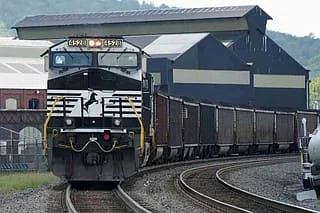
The proposed $85 billion merger between Union Pacific and Norfolk Southern has hit a significant roadblock. On Monday, the Brotherhood of Railroad Signalmen (BRS) announced its formal opposition to the deal. The union warned that the massive acquisition could compromise safety standards and negatively impact the workforce.
The BRS, which represents about 3,000 members across both rail companies, plans to submit formal comments to the U.S. Surface Transportation Board (STB). This federal agency is responsible for the final regulatory review of the deal.
Safety and Corporate Power Concerns
Union leadership argues that the merger is primarily a move to expand corporate control rather than a way to improve the national rail network. BRS President Mike Baldwin stated that the deal shifts significant risks onto the employees and the general public.
“The rail industry has been down this road before,” Baldwin warned. “The results were disruptive, dangerous, and costly.”
The union’s primary concerns include:
- Safety Compromises: Fears that operational changes could lead to a decline in safety protocols.
- Workforce Reductions: Doubts regarding long-term job security despite company promises.
- Network Instability: Concerns that a coast-to-coast monopoly could harm the overall efficiency of the U.S. rail system.
Growing Resistance from Labor Groups
The BRS is not the only group standing against the merger. Last week, the Teamsters, representing nearly 20,000 workers, also voiced their opposition. Despite this, Union Pacific maintains that the deal is safe for workers. In a recent statement, the company insisted that every union employee currently employed will keep their job after the merger.
Union Pacific and Norfolk Southern have already filed a massive 7,000-page application with the STB. They argue that the merger will allow for faster shipping by:
- Cutting Handoffs: Reducing the number of times cargo changes hands.
- Reducing Delays: Streamlining routes to avoid regional bottlenecks.
- Increasing Efficiency: Creating the first truly transcontinental rail network.
The STB review process is expected to be lengthy, as regulators weigh these promises against the serious concerns raised by labor unions and rival railroads.
MORE NEWS: Trump Signs Order to Ease Federal Marijuana Restrictions









 Armenian Dram
 Ghana Cedi
 Gambian Dalasi
 Guinea Franc
 Nigerian Naira
 CFA Franc BEAC