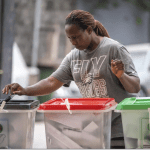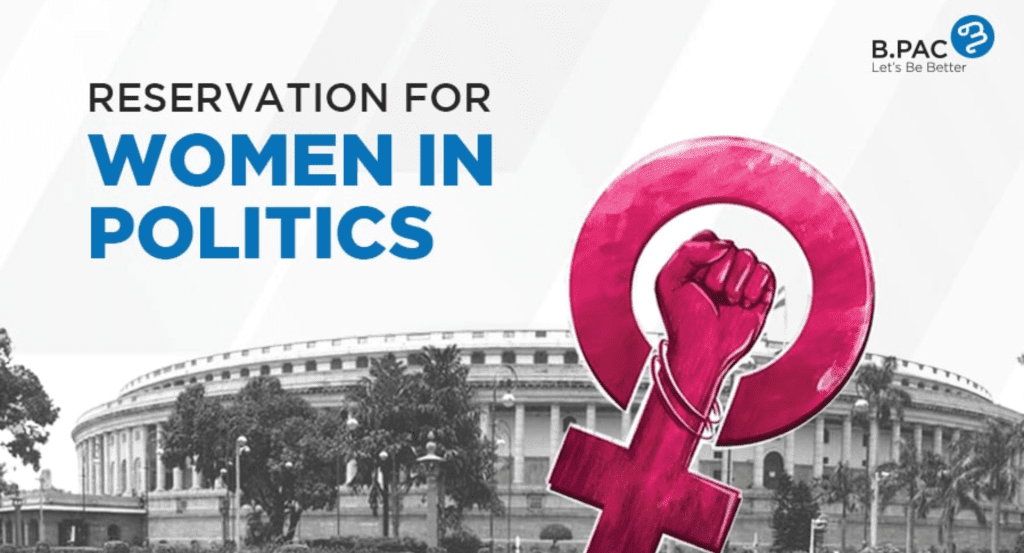
The 2025 International Women’s Day (IWD) theme, “For ALL Women and Girls: Rights. Equality. Empowerment,” is particularly relevant to Africa, where gender disparities in leadership remain a challenge. This theme aligns with International IDEA’s #DemocracyForAll initiative, which advocates for the inclusion of historically underrepresented groups in democratic processes.
As the world analyzes the impact of the 2024 Super Election Year, during which over half the global population cast their votes, Africa stands at a critical juncture. In 2024 alone, 19 African nations held presidential, general, and local elections. Additionally, 2025 marks significant milestones, including the 30th anniversary of the Beijing Declaration and Platform for Action, the 25th year since UN Security Council Resolution 1325, and the 22nd year since the Maputo Protocol. With just five years left to achieve the Sustainable Development Goals (SDGs), particularly SDG 5, the need for urgent action is undeniable.
Women in Political Participation (WPP): A Game Changer
The Women in Political Participation (WPP) program is a Pan-African initiative designed to strengthen women’s involvement in governance. It aligns with the Maputo Protocol of 2003 and various regional agreements that promote gender equality. Funded by the Embassy of Sweden in Ethiopia, WPP operates across eight African nations:
- Botswana
- Côte d’Ivoire
- Democratic Republic of Congo
- Eswatini
- Kenya
- Senegal
- Tanzania
- Zimbabwe
WPP collaborates with the African Union and Regional Economic Blocs to drive policy change. The program operates as a consortium, with key partners including FAWE, FEMNET, Gender Links, IFAN, PADARE, and WLSA.
Additionally, WPP is supported by the EU-funded Women and Youth Democratic Engagement (WYDE) Women’s Leadership project, which aims to challenge societal norms, promote gender equality, and enhance women’s participation in decision-making roles across Sub-Saharan Africa.
Insights from Research on Women’s Political Participation in Africa
As a leading think-and-do tank, International IDEA ensures research shapes policy and practice. During the initial phase of the WPP project, several publications provided valuable insights into women’s representation in politics, including:
- WPP Africa Barometer 2024
- The Motivation for Women in Politics: The Contemporary Politics of Women’s Participation and Representation in Africa
- Research on Challenges and Opportunities for Women Politicians with Disabilities in Africa
These reports shed light on the progress, challenges, and structural barriers that hinder women’s full participation in political leadership.
Key Findings from the WPP Africa Barometer 2024
Recent data shows that women’s parliamentary representation in Africa has seen a slight increase from 24% to 25% over the past three years. Despite 36 African nations holding elections since 2021, significant disparities remain. The study found that:
- Women’s presence in electoral bodies, parliaments, cabinets, and local governments is rising.
- More women are being elected as mayors of capital cities.
- Political party leadership roles for women have declined due to internal gatekeeping.
- Youth representation in African parliaments is critically low at just 2.2%, with young women making up less than 1%.
The research also highlights the barriers limiting women’s participation, including:
- Restrictive political party structures
- Gender bias in electoral systems
- Limited funding for female candidates
- Media misrepresentation
- Cultural stereotypes
- Political violence against women
Women’s Political Motivation and Policy Recommendations
The Motivation for Women in Politics report emphasizes that, despite global efforts to enhance female representation, progress is stagnating. African nations possess the necessary policy frameworks, but stronger implementation is required. The report identifies key motivators driving women to enter politics, such as:
- Changing political climates
- Feminist movements
- A strong desire to serve their communities
- Historical liberation struggles
- Support networks encouraging women’s leadership
To bridge the gender gap in political participation, the report recommends that African governments:
- Fast-track the domestication of existing gender equality frameworks
- Enforce mandatory 50/50 gender representation quotas
- Allocate higher budgets to support female political candidates
- Integrate gender perspectives into governance policies
- Introduce political education and literacy programs in school curricula
Women Politicians with Disabilities: Challenges and Opportunities
A separate study on Challenges and Opportunities for Women Politicians with Disabilities in Africa revealed that women with disabilities face double discrimination—both as women and as individuals with disabilities. Despite legal provisions supporting their inclusion, representation remains low. The research, conducted in six African countries, highlights:
- Deep-rooted cultural stigmas and stereotypes
- Lack of adherence to political party commitments on inclusion
- Weak enforcement of electoral laws
- Limited financial resources for female candidates with disabilities
- Political violence and social media harassment
To address these issues, the report recommends that African governments:
- Reform election financing laws to support women with disabilities
- Strengthen measures against political violence
- Improve security for female politicians
- Enhance monitoring and oversight to ensure compliance with inclusion policies
- Implement large-scale public awareness campaigns on gender and disability rights
Why Women’s Political Participation Matters for Africa’s Future
Ensuring women’s equal representation in decision-making is crucial for Africa’s economic development, peace, and security. A more inclusive leadership structure will drive innovation, sustainable policies, and social progress.
For Africa to achieve African Union Aspiration 6—“An Africa whose development is people-driven, relying on the potential of African people, especially its women and youth”—leaders must take bold steps. The time for action is now.


 Armenian Dram
 Ghana Cedi
 Gambian Dalasi
 Guinea Franc
 Nigerian Naira
 CFA Franc BEAC