A high-level ECOWAS delegation arrived in Guinea-Bissau on Monday. They are there to start mediation talks with the country’s military leadership.
Sierra Leonean President Julius Maada Bio is leading the mission. As the ECOWAS Chairman, he aims to negotiate a full return to constitutional order. This follows the recent government takeover in the West African nation.
The delegation arrived during a tense security situation. The military government, which took control last Wednesday, has banned all demonstrations and strikes. They labeled these activities as threats to national stability.
However, despite limiting civil liberties, authorities issued a new directive late Sunday. They ordered all public institutions and ministries to reopen and resume normal operations immediately.
Political Transition and Exile
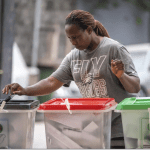
The military intervention happened just three days after a disputed election. Both leading candidates claimed victory in the November 23 poll.
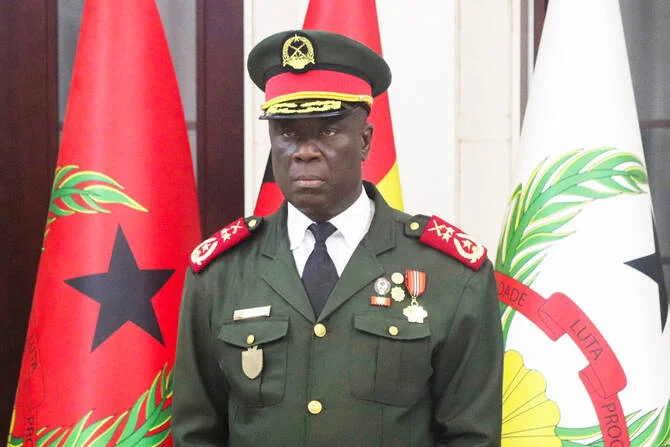
After seizing power, the military installed Gen. Horta Inta-a as the new leader. He is the former Army Chief of Staff. The junta has proposed a one-year transition period. Additionally, they recently appointed a new 28-member government. Notably, most of these appointees are allies of the ousted administration.
Meanwhile, deposed President Umaro Sissoco Embalo has left the country. He fled to Brazzaville, Republic of Congo, after confirming his arrest during the coup’s early stages.
Nigeria Grants Refuge to Opposition Figure
Nigeria has made a significant diplomatic move. The country intervened to ensure the safety of key political figures in Guinea-Bissau.
President Bola Tinubu granted diplomatic protection to opposition candidate Fernando Dias da Costa. Tinubu cited credible intelligence regarding an imminent threat to the candidate’s life.
Reports indicate that Dias da Costa is currently sheltering at the Nigerian embassy in Bissau. Consequently, officials have requested ECOWAS troops to provide security for the facility and the opposition leader.
International Sanctions and Condemnation
The regional bloc moved quickly to isolate the new regime. ECOWAS officially suspended Guinea-Bissau from all decision-making bodies. This suspension remains in effect until constitutional rule returns.
The current mediation mission aims to engage the coup leaders directly. Their goal is to reverse the military intervention.
Globally, the United Nations has strongly condemned the coup. UN Secretary-General Antonio Guterres expressed grave concern over the developments. He emphasized that disregarding the people’s will violates democratic principles.
Furthermore, the UN leadership called for an “immediate and unconditional” restoration of the constitution. They also demanded the release of all detained officials, including electoral authorities.
Kevin Spacey Faces 2026 High Court Trial Over Assault Claims



 Armenian Dram
 Ghana Cedi
 Gambian Dalasi
 Guinea Franc
 Nigerian Naira
 CFA Franc BEAC