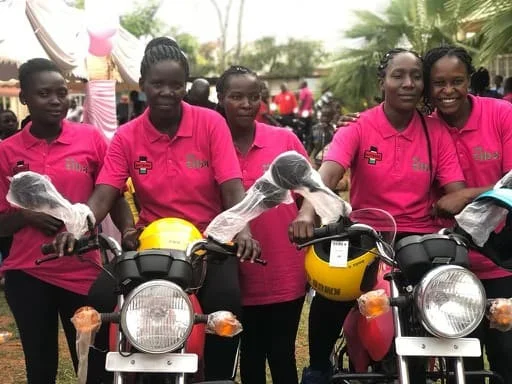
In the remote villages of western Kenya, a unique group of women is transforming how expectant mothers access life-saving medical care. Known as the Boda Girls, these female motorcycle riders provide free, specialized transportation for pregnant women, bridging a dangerous gap in the region’s healthcare system.
Many of these riders are not just skilled motorcyclists; they are also trained nurses or community health workers. This dual expertise allows them to offer basic patient care and support during the journey to health facilities for essential check-ups, scans, and safe deliveries.
Overcoming Barriers to Care
Launched in 2022, the initiative focuses on Siaya, Kisumu, and Homa Bay counties. In these rural areas, reaching a clinic is often a monumental challenge due to:
- Geographic Isolation: Long distances between villages and the nearest hospitals.
- Poor Infrastructure: Difficult road conditions that traditional vehicles struggle to navigate.
- Financial Constraints: Prohibitive transport costs that many families cannot afford.
Nancy Akeyo, CEO of Boda Girls Kenya, emphasizes that the lack of reliable transport is a significant but often ignored obstacle to women’s health and economic independence. By removing the cost and logistics barrier, the program empowers women to prioritize their medical needs.
The Vital Importance of Timely Transport
Healthcare professionals warn that delays in reaching a medical facility are a leading cause of maternal mortality. When complications arise during pregnancy or childbirth, every minute counts.
According to UNICEF data, Kenya loses more than 5,000 women and approximately 30,000 newborns every year to preventable complications. The Boda Girls aim to reduce these numbers by ensuring that professional care is only a motorcycle ride away.
Security and Comfort in Sisterhood
Beyond the logistics, the initiative offers a unique psychological benefit. Many expectant mothers in the region report feeling a greater sense of security when traveling with a female rider.
Local mother Maureen Achieng shared that both she and her family prefer the Boda Girls over traditional male-operated motorcycle taxis. This preference stems from a shared understanding and the professional medical background many of the riders possess, which fosters a deeper level of trust and confidence during a vulnerable time.
A Life-Saving Intervention
While the Boda Girls are one part of a larger healthcare puzzle, their impact is undeniable. For a mother in a remote village, the arrival of a trained, trusted rider can be the deciding factor in a safe pregnancy outcome. By combining mobility with medical knowledge, these riders are ensuring that no woman is left behind due to the distance between her home and the hospital.










 Armenian Dram
 Ghana Cedi
 Gambian Dalasi
 Guinea Franc
 Nigerian Naira
 CFA Franc BEAC