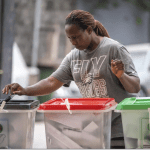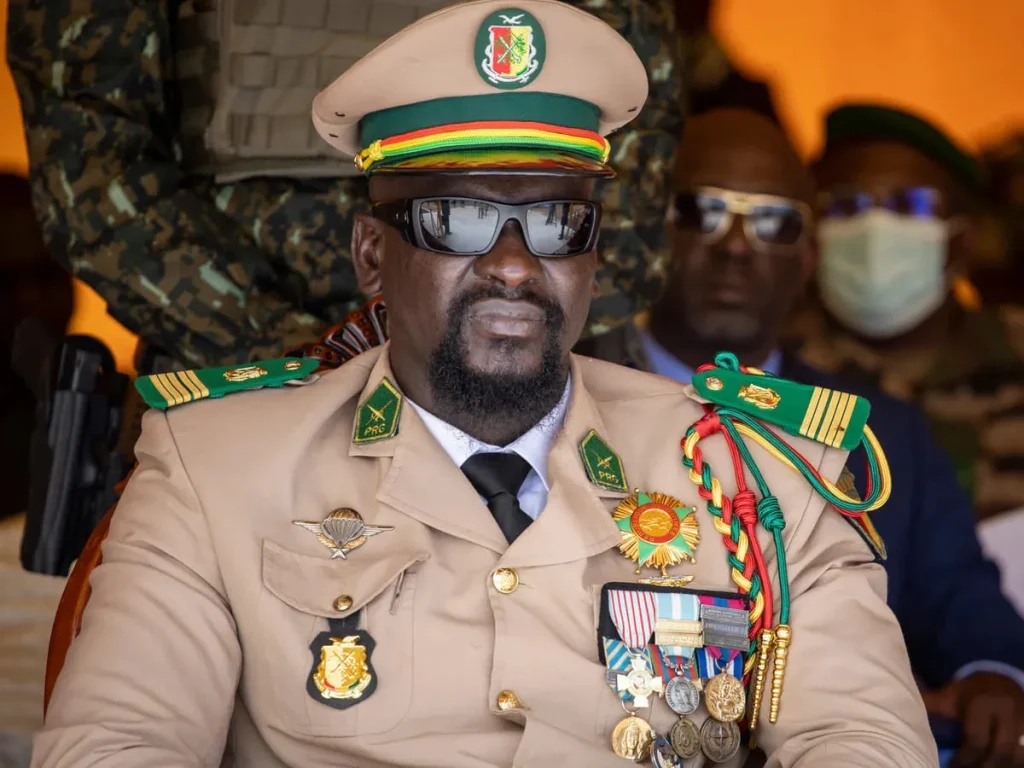
The diplomatic freeze is officially over. The African Union (AU) has formally welcomed the Republic of Guinea back into the continental fold, ending years of isolation. This major policy shift triggered immediately after former military commander Mamady Doumbouya secured a victory in the December 28 presidential election. By finalizing this decision, the AU lifts Guinea sanctions, signaling a complex new chapter for democracy in West Africa.
The move restores the nation’s access to vital regional diplomatic channels. Furthermore, it opens the door for renewed financial cooperation, a critical lifeline for Guinea’s economy.
Why the AU Lifts Guinea Sanctions Now
The Union justified its reversal by pointing to the completion of the Political Transition Roadmap. In an official statement, the body praised the “positive steps” the nation took to restore constitutional order.
Additionally, the AU commended the “successful organization” of the polls that solidified Doumbouya’s transition from interim ruler to elected President. Following this endorsement, Doumbouya took his oath on Saturday before a massive gathering of supporters.
Critics Condemn Electoral “Charade”
While international observers normalize relations, the mood on the ground remains volatile. Domestic opposition groups vehemently disagree with the AU’s assessment. They argue that the AU lifts Guinea sanctions prematurely, ignoring deep flaws in the democratic process.
Civil society organizations have dismissed the election as a “charade.” Their dissent focuses on several key grievances:
- Restricted Liberties: Under Doumbouya’s interim rule, authorities enforced a strict clampdown on civil freedoms, including a ban on protests.
- Political Suppression: Critics note that the regime systematically removed serious rivals from the playing field. Many faced arrest, trial, or forced exile before the vote took place.
- Allegations of Fraud: Opposition candidates claim the polling lacked transparency and suffered from irregularities.
From Coup to Presidency
This election marks the culmination of a long power struggle. Doumbouya first seized control in 2021, orchestrating the military coup that ousted Alpha Condé, Guinea’s first freely elected leader.
His victory validates his shift from junta leader to civilian President in the eyes of the AU. However, the contrast between the Union’s praise and the opposition’s fury suggests that political stability in Guinea may still be fragile.
____________________________________________________
Rosenior Shuts Down Palmer Exit Rumors: “He is Central to Our Future”


 Armenian Dram
 Ghana Cedi
 Gambian Dalasi
 Guinea Franc
 Nigerian Naira
 CFA Franc BEAC