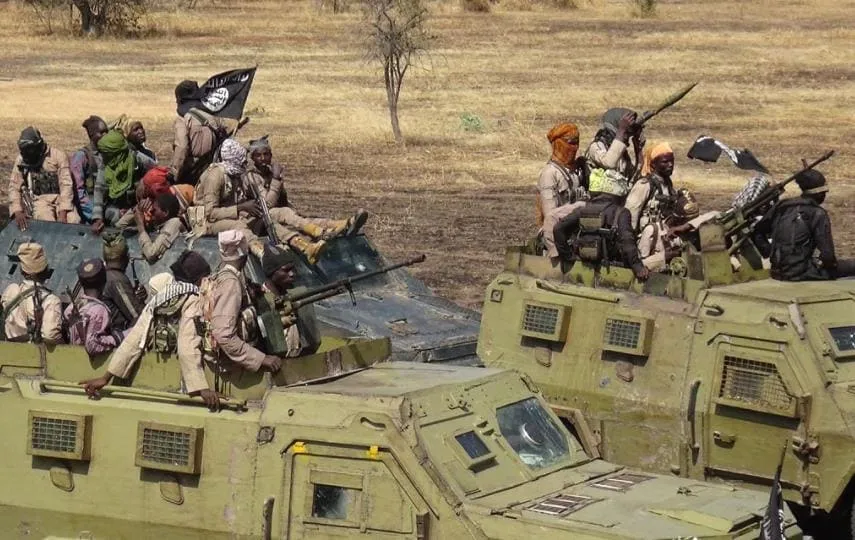
Following a series of surprise US military strikes within Nigerian borders, a cloud of diplomatic and tactical confusion has settled over both Washington and Abuja. While both nations confirm the operation targeted Islamic State (ISIS) affiliates, the narrative surrounding the timing, the targets, and the actual results remains sharply divided.
The “Christmas Gift” Controversy
The strikes, which occurred overnight between Thursday and Friday, have been heavily framed by American President Donald Trump as a symbolic gesture. Taking to social media to claim credit, Trump revealed that the operation had been scheduled earlier but was intentionally delayed.
“I said, ‘nope, let’s give a Christmas present,'” Trump told US media, sparking immediate backlash from Nigerian critics who argue that military operations should be dictated by tactical necessity rather than festive symbolism.
This delay has led to allegations that Washington prioritized optics over regional sovereignty, especially after reports surfaced that the US backed out of a planned joint statement, choosing instead to break the news independently.
Tactical Targets: Who Was Hit?
Initially, official clarity was scarce. Information Minister Mohammed Idris stated the strikes hit “ISIS elements” attempting to enter Nigeria via the Sahel corridor. However, specific details on which of Nigeria’s various armed groups were neutralized remained vague for the first 24 hours.
According to Daniel Bwala, a spokesperson for President Bola Tinubu, the operation targeted a triad of threats:
- ISIS Militants: Foreign fighters allegedly in the country to provide support.
- The Lakurawa Group: A jihadist cell primarily active in the Northwest.
- “Bandit” Gangs: Local militant groups known for kidnapping and rural terror.
The strikes focused on two major enclaves in the Tangaza district of Sokoto State. However, the choice of location has puzzled analysts; while Nigeria’s jihadist insurgency is traditionally concentrated in the Northeast, these strikes hit the Northwest, an area more commonly associated with banditry than global ISIS operations.
The Human and Diplomatic Cost
While the Nigerian government insists the operation was a joint effort fueled by local intelligence, the execution has left a trail of physical and political damage.
- Civilian Impact Almost a day after the strikes, reports emerged of significant damage in non-target areas. Minister Idris claimed that “debris” from the strikes hit several villages. In Offa (Kwara State) and Jabo (Sokoto State), residents reported crumbled buildings and caved-in roofs. Local resident Haruna Kallah noted that Jabo has never been a stronghold for armed groups, making the explosions a terrifying surprise for the community.
- Conflicting Hardware Reports There is ongoing confusion regarding the munitions used. The US military released footage of a navy ship launching missiles from the Gulf of Guinea. Conversely, Nigerian officials reported the use of 16 GPS-guided precision munitions deployed via MQ-9 Reaper drones.
- Sovereignty and “Persecution” Narratives The opposition People’s Democratic Party (PDP) has slammed the Tinubu administration for allowing “foreign powers” to break security news before the home government. Adding to the tension is a recent diplomatic spat involving President Trump’s characterization of Nigerian violence as “religious persecution” against Christians—a claim the Nigerian government and independent researchers largely reject as an oversimplification of a complex socio-economic crisis.
What Comes Next?
With both Washington and Abuja suggesting that more strikes are “on the table,” the focus now shifts to whether future operations will prioritize transparency and civilian safety over political symbolism.





 Armenian Dram
 Ghana Cedi
 Gambian Dalasi
 Guinea Franc
 Nigerian Naira
 CFA Franc BEAC