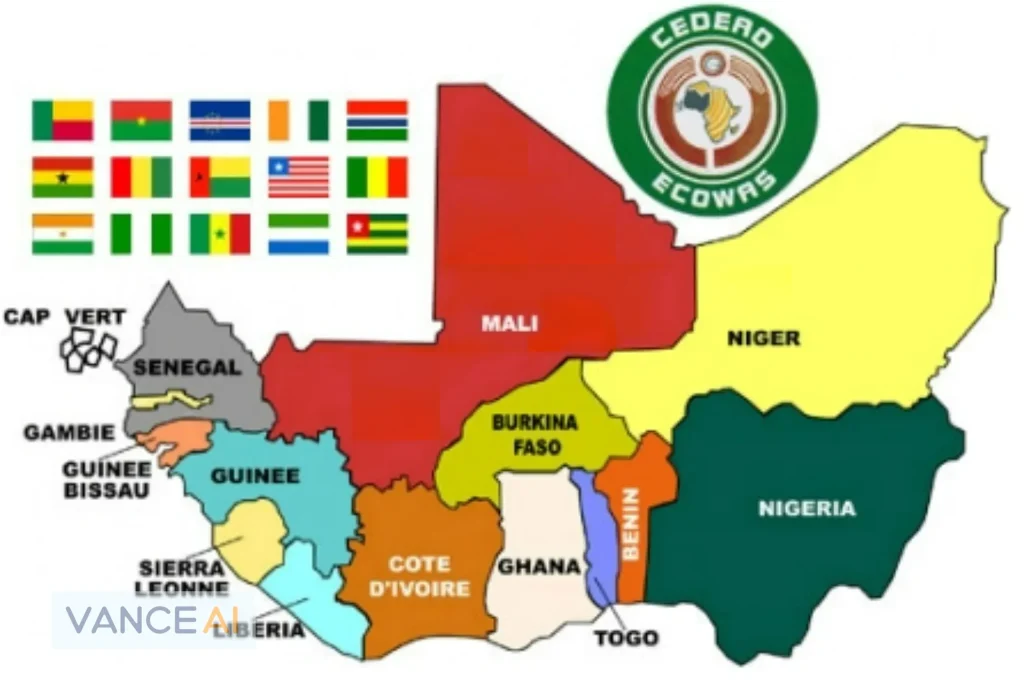
The Economic Community of West African States (ECOWAS) has issued a strong warning over escalating hostilities in the Gulf region, cautioning that a prolonged conflict could trigger far-reaching economic and security consequences, with West Africa among the most vulnerable.
In a statement released under the leadership of Julius Maada Bio, the 12-member bloc expressed deep concern over intensifying military exchanges and aligned its position with that of the African Union Commission, which has also raised alarm over the situation.
Energy Market Risks Intensify
ECOWAS noted that the timing of the crisis is particularly troubling, as global energy markets remain fragile. The Gulf region plays a critical role in global oil and gas supply, accounting for a significant portion of crude exports worldwide.
For West African nations—many of which export crude oil but depend heavily on imported refined petroleum—any spike in global oil prices could quickly translate into rising inflation, currency instability, and increased costs of transportation and food.
Global Trade Routes Under Threat
Beyond energy concerns, the bloc highlighted the strategic importance of key maritime corridors such as the Strait of Hormuz, a vital passage for international trade linking Asia, Europe, and Africa.
Disruptions in this corridor could worsen existing supply chain challenges that began during the COVID-19 pandemic and were further exacerbated by the Russia-Ukraine conflict.
Food Security at Risk
ECOWAS warned that food-import-dependent countries in West Africa face heightened risks. Many rely on global supply chains for essential commodities such as wheat and fertilisers, making them highly susceptible to geopolitical shocks.
Past crises have shown that such disruptions can rapidly increase food prices, particularly bread, and deepen food insecurity across urban centres in the region.
Call for Restraint and Diplomacy
The regional body urged all parties involved in the conflict to exercise maximum restraint and adhere to international law, including the principles of the United Nations Charter. It emphasized the need to protect civilian lives and critical infrastructure at all times.
ECOWAS also called for renewed diplomatic engagement, stressing that dialogue remains the only viable path to de-escalation. The bloc reiterated its long-standing commitment to multilateralism and peaceful conflict resolution.
Growing Concern Over Global Spillover Effects
Analysts say ECOWAS’ swift alignment with the African Union reflects rising concern about the cumulative impact of global instability on African economies already facing debt challenges, currency depreciation, and climate pressures.
Higher energy prices could strain government budgets, while disruptions in shipping may lead to shortages of essential goods across the region.
The statement underscores a growing awareness among African leaders that distant geopolitical conflicts can have immediate domestic consequences. As tensions continue to rise in the Gulf, ECOWAS signalled that West Africa is closely monitoring developments, while pushing for diplomacy to safeguard regional and global stability.





 Armenian Dram
 Ghana Cedi
 Gambian Dalasi
 Guinea Franc
 Nigerian Naira
 CFA Franc BEAC