In the sprawling townships of Johannesburg and the remote rural villages of the Eastern Cape, a quiet healthcare revolution is unfolding. At the forefront of this transformation are South Africa’s community health workers (CHWs) – a dedicated army of mostly women who are bridging the gap between formal healthcare systems and underserved communities. Supported by innovative nonprofits and social enterprises, these CHWs are not just delivering basic healthcare; they’re pioneering a new model of community-based care that could reshape health systems across Africa and beyond.
The Birth of a Movement
South Africa’s community health worker program has its roots in the country’s struggle against apartheid. In the 1940s, the landmark Pholela Health Centre in KwaZulu-Natal first employed local community members to provide basic health education and care. This model, revolutionary for its time, laid the groundwork for what would become a nationwide network of CHWs.
“Community health workers were born out of necessity,” explains Dr. Nomathemba Mazaleni, a public health expert at the University of Cape Town. “They were, and continue to be, a response to the stark health inequalities that persist in our society.”
The Role of CHWs Today
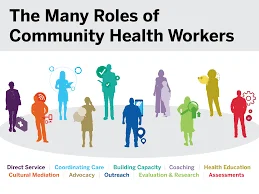
Today, South Africa’s CHWs play a crucial role in the country’s primary healthcare system. They conduct home visits, provide health education, support treatment adherence for chronic diseases like HIV and tuberculosis, and act as a vital link between communities and formal health services.
One organization at the forefront of this movement is the Philani Maternal, Child Health and Nutrition Trust. Operating in the informal settlements around Cape Town, Philani trains local women as “mentor mothers” to support pregnant women and new mothers in their communities.
“Our mentor mothers are more than just health workers,” says Ingrid le Roux, Philani’s founder. “They’re role models, confidantes, and agents of change in their communities. They show what’s possible when you invest in local women and empower them with knowledge and skills.”
Leveraging Technology for Greater Impact
While the core of the CHW model remains human-centered, many organizations are now leveraging technology to enhance the effectiveness and reach of their programs.
The Gauteng-based nonprofit, Mpilo, has developed a mobile app that allows CHWs to record and track patient data in real-time. This not only improves the quality of care but also provides valuable data for health system planning and disease surveillance.
“Technology is a force multiplier for our CHWs,” explains Thabo Mokoena, Mpilo’s co-founder. “It allows them to access up-to-date health information, receive remote support from healthcare professionals, and coordinate their efforts more effectively.”
Addressing the Social Determinants of Health
One of the unique strengths of the CHW model is its ability to address the social determinants of health – the conditions in which people are born, grow, live, work, and age that impact their health outcomes.
The Healthy Living Alliance (HEALA), a social enterprise operating in Limpopo province, trains CHWs not just in basic healthcare, but also in nutrition, sustainable agriculture, and economic empowerment.
“We recognize that health doesn’t exist in a vacuum,” says HEALA’s director, Nkosazana Dlamini. “By equipping our CHWs with a broader set of skills, we’re able to address the root causes of poor health in our communities.”
Challenges and Opportunities
Despite their crucial role, CHWs in South Africa face significant challenges. Many are not formally recognized as part of the health workforce, leading to issues with job security, remuneration, and career progression.
“We need to professionalize the CHW cadre,” argues Dr. Mazaleni. “This means standardizing training, creating clear career pathways, and ensuring fair compensation. Only then can we fully harness the potential of this workforce.”
There’s also a need for greater integration between CHW programs and the formal health system. While some provinces have made strides in this area, there’s still work to be done to ensure seamless coordination and referral pathways.
A Model for Universal Health Coverage
As South Africa moves towards implementing National Health Insurance (NHI), CHWs are set to play an even more critical role. Many see the CHW model as a key strategy for achieving universal health coverage in a resource-constrained setting.
“CHWs are the eyes and ears of our health system,” says Dr. Olive Shisana, one of the architects of the NHI policy. “They’re essential for extending the reach of primary healthcare services and ensuring that no one is left behind.”
Exporting the Model
South Africa’s experience with CHWs offers valuable lessons for other countries grappling with similar health challenges. From Brazil’s Family Health Strategy to India’s Accredited Social Health Activists (ASHA) program, many countries are now adopting and adapting elements of the CHW model.
“What’s exciting is the potential for South-South learning and collaboration,” says Mokoena of Mpilo. “We’re not just implementing a model; we’re contributing to a global body of knowledge on community-based healthcare.”
The Future of Community Health
As South Africa continues to grapple with the quadruple burden of HIV/AIDS, tuberculosis, non-communicable diseases, and maternal and child mortality, the role of CHWs will only grow in importance.
Nonprofits and social enterprises are at the forefront of innovating and scaling up CHW programs. By combining grassroots community engagement with cutting-edge technology and holistic approaches to health, these organizations are not just filling gaps in the health system – they’re pioneering a new model of care that puts communities at the center.
In the townships of Johannesburg and the villages of the Eastern Cape, South Africa’s community health workers are doing more than delivering healthcare. They’re building healthier, more resilient communities, one home visit at a time. As the world looks for sustainable solutions to achieve universal health coverage, the CHW model offers a powerful example of what’s possible when you invest in local people and empower communities to take charge of their own health.










 Armenian Dram
 Ghana Cedi
 Gambian Dalasi
 Guinea Franc
 Nigerian Naira
 CFA Franc BEAC