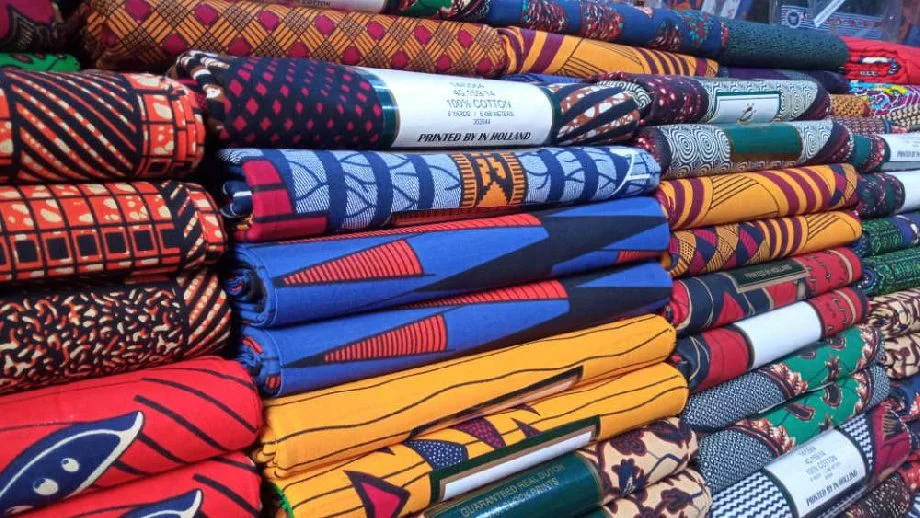
Artisans in Morocco have been spinning yarns, dyeing fabrics, and creating intricate textiles for centuries. Today, this rich heritage forms the foundation of a modern, export-oriented textile and clothing industry that has become a cornerstone of Morocco’s economy. As the industry navigates global competition and changing consumer preferences, it stands at the intersection of tradition and innovation, poised to redefine its role in the international fashion landscape.
Historical Context and Economic Significance
Textile manufacturing in Morocco has deep historical roots, dating back to the Berber and Arab influences that shaped the country’s cultural landscape. In the modern era, the industry has evolved to become:
- A major contributor to GDP (approximately 7%)
- A significant source of employment (employing about 27% of the industrial workforce)
- One of the country’s largest export sectors
The industry’s growth has been driven by several factors, including proximity to European markets, trade agreements, and government support.
Current State of Morocco’s Textile Industry
Morocco’s textile and clothing sector is characterized by:
- Diverse Product Range: From basic garments to high-end fashion items
- Export Orientation: Major supplier to European fashion brands
- Small and Medium Enterprises (SMEs): Dominance of SMEs in the industry structure
- Regional Clusters: Concentration of textile activities in cities like Casablanca, Tangier, and Fez
- Vertical Integration: Presence of companies covering the entire value chain from spinning to finished products
Key Subsectors
The Moroccan textile industry encompasses several key subsectors:
- Spinning and Weaving: Production of yarns and fabrics
- Knitting: Manufacture of knitted fabrics and garments
- Finishing: Dyeing, printing, and other fabric treatments
- Ready-made Garments: Production of clothing items for export and domestic markets
- Technical Textiles: Growing segment focusing on functional and performance fabrics
Challenges Facing the Industry
Despite its strengths, Morocco’s textile sector faces several challenges:
- Global Competition: Intense competition from Asian countries, particularly in low-cost production
- Raw Material Dependency: High reliance on imported raw materials, affecting cost competitiveness
- Skill Gaps: Shortage of skilled labor in certain specialized areas
- Informal Sector: Large informal sector competing with formal businesses
- Technology Adoption: Need for modernization and automation in some segments of the industry
- Sustainability Pressures: Growing demand for sustainable and ethical production practices
Government Initiatives and Policy Framework
The Moroccan government has implemented several initiatives to support and develop the textile sector:
- Industrial Acceleration Plan: Aims to create jobs and increase the sector’s export potential
- Morocco Green Investment Project: Focuses on sustainable production methods
- Training Programs: Establishment of specialized institutes for textile and fashion education
- Free Trade Agreements: Negotiation of FTAs to enhance market access, including with the EU and US
- Investment Incentives: Offering tax breaks and other incentives to attract foreign investment
Innovation and Technology Adoption
To stay competitive, Morocco’s textile industry is increasingly embracing innovation:
- Digital Printing: Adoption of digital textile printing technologies for faster and more flexible production
- Smart Textiles: Research and development in the field of e-textiles and smart fabrics
- 3D Knitting: Implementation of seamless knitting technologies for reduced waste and improved efficiency
- Supply Chain Digitalization: Use of blockchain and other digital technologies for supply chain transparency
- Automation: Increasing use of robotics and automated systems in garment manufacturing
Sustainability Initiatives
Responding to global trends, Morocco’s textile industry is placing greater emphasis on sustainability:
- Water Conservation: Implementation of water-saving technologies in dyeing and finishing processes
- Renewable Energy: Increasing use of solar and wind energy in textile factories
- Recycling: Development of textile recycling capabilities and use of recycled fibers
- Organic and Natural Fibers: Growing focus on organic cotton and other sustainable fibers
- Eco-friendly Dyes: Adoption of natural and low-impact dyes
The Role of Traditional Craftsmanship
While modernizing, Morocco’s textile industry continues to draw strength from its rich heritage of traditional craftsmanship:
- Artisanal Textiles: Integration of traditional weaving and embroidery techniques in modern designs
- Cultural Motifs: Use of traditional Moroccan patterns and designs in contemporary fashion
- Luxury Segment: Leveraging handcrafted elements for high-end, unique products
- Cultural Tourism: Synergies between traditional textile crafts and the tourism industry
Case Study: The Denim Hub of Casablanca
Casablanca has emerged as a significant hub for denim production, exemplifying the industry’s evolution:
- Specialization in high-quality, fast-fashion denim products
- Adoption of sustainable practices in denim manufacturing, including water-saving technologies
- Development of a complete ecosystem from fabric production to finished garments
- Attraction of major international brands for their denim sourcing
This case demonstrates Morocco’s ability to create specialized, high-value clusters within the textile industry.
The Impact of COVID-19 and Recovery Strategies
The global pandemic severely impacted Morocco’s textile industry, disrupting supply chains and reducing demand. Recovery strategies include:
- Diversification: Expanding into new product categories, including medical textiles
- Digitalization: Accelerating e-commerce adoption and digital marketing strategies
- Nearshoring: Capitalizing on the trend of European brands seeking closer sourcing options
- Flexibility: Enhancing production flexibility to respond quickly to market changes
- Health and Safety: Implementation of stringent health protocols to ensure worker safety
Future Outlook and Opportunities
As Morocco’s textile industry evolves, several opportunities and trends are emerging:
- Fast Fashion: Leveraging proximity to Europe for quick-response, fast-fashion production
- Technical Textiles: Expanding into high-value technical textiles for industrial applications
- African Market: Exploring opportunities in the growing African fashion market
- Sustainable Fashion: Positioning Morocco as a hub for sustainable and ethical textile production
- Design and Branding: Moving up the value chain by developing Moroccan fashion brands
- Industry 4.0: Embracing digital technologies and smart manufacturing concepts
Conclusion
Morocco’s textile manufacturing industry stands at a crucial juncture, balancing its rich heritage with the demands of a rapidly evolving global market. The sector’s ability to navigate challenges, from intense international competition to sustainability pressures, will determine its future trajectory.
By leveraging its strategic location, skilled workforce, and increasing focus on innovation and sustainability, Morocco has the potential to strengthen its position as a key player in the global textile and fashion industry. The successful integration of traditional craftsmanship with modern technologies and sustainable practices could set Morocco apart in the international market.
As the industry moves forward, continued collaboration between government, industry stakeholders, and educational institutions will be crucial. By fostering innovation, enhancing skills, and maintaining a focus on quality and sustainability, Morocco’s textile sector can weave a future that honors its past while embracing the opportunities of tomorrow.
The story of Morocco’s textile industry is not just about fabrics and garments; it’s about a nation reimagining its cultural heritage for the modern world, creating employment, and positioning itself at the forefront of sustainable and innovative textile manufacturing in the 21st century.






 Armenian Dram
 Ghana Cedi
 Gambian Dalasi
 Guinea Franc
 Nigerian Naira
 CFA Franc BEAC