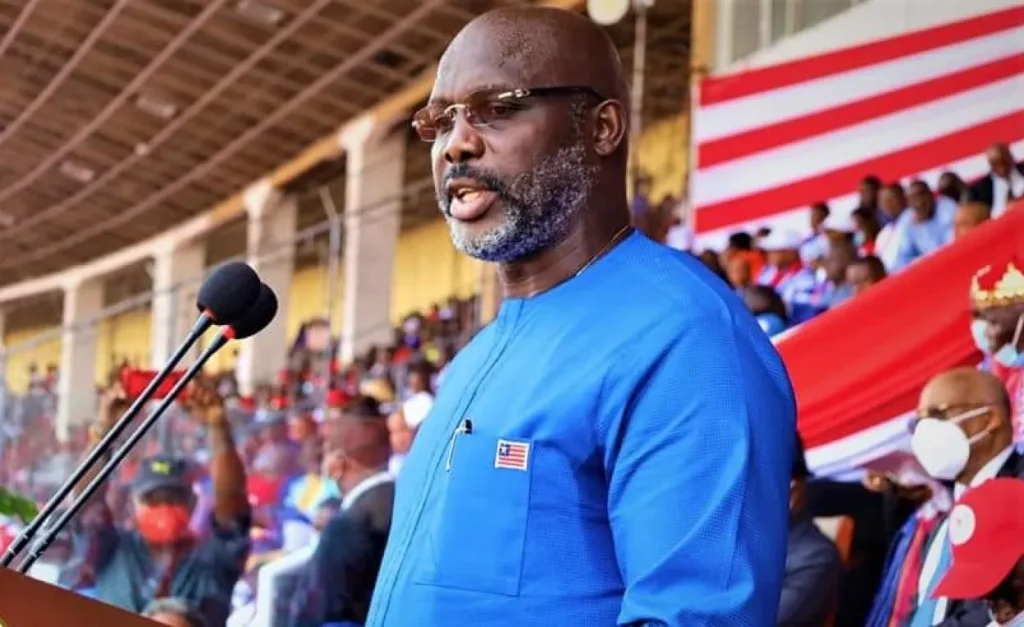
The Congress for Democratic Change has alleged a political plot to prevent former President George Weah from contesting the 2029 elections, sparking fresh concerns over democratic processes in the country.
In a statement shared on social media, CDC Secretary General Jefferson Koijee claimed that a proposed amendment to Title 2 of Liberia’s Criminal Procedure Law is being weaponised against the former leader.
Allegations of Politicised Legislation
Koijee described the proposed amendment—reportedly introduced under the guise of anti-corruption reforms—as “criminal and dangerous,” alleging it was submitted to the National Legislature without adequate public scrutiny.
According to him, the bill seeks to eliminate meaningful limitation periods and weaken constitutional protections, including safeguards against self-incrimination. He warned that such provisions could grant excessive discretionary powers to prosecutors and open the door to political persecution.
“This is no reform,” Koijee said, arguing that the legislation, if passed in its current form, could destabilise Liberia’s fragile democratic system.
Claim of Targeting Weah
The CDC official further alleged that the ultimate aim of the amendment is to frame and prosecute George Weah, thereby disqualifying him from participating in the 2029 presidential election.
Koijee accused the current administration of pursuing a politically motivated agenda designed to weaken opposition figures and consolidate power.
Concerns Over Democratic Stability
He cautioned that concentrating prosecutorial authority without strong legal safeguards could erode civil liberties and undermine democratic institutions.
Calling on citizens to remain vigilant, Koijee urged Liberians to closely examine the proposed bill and resist any attempt to politicise the justice system. He stressed the need to protect the country’s peace and democratic gains.
No Official Response Yet
As of the time of filing this report, the Liberian government has not issued any official response to the allegations raised by the CDC.
The development adds to growing political tension in the West African nation as stakeholders continue to debate the balance between anti-corruption reforms and the protection of democratic rights.







 Armenian Dram
 Ghana Cedi
 Gambian Dalasi
 Guinea Franc
 Nigerian Naira
 CFA Franc BEAC