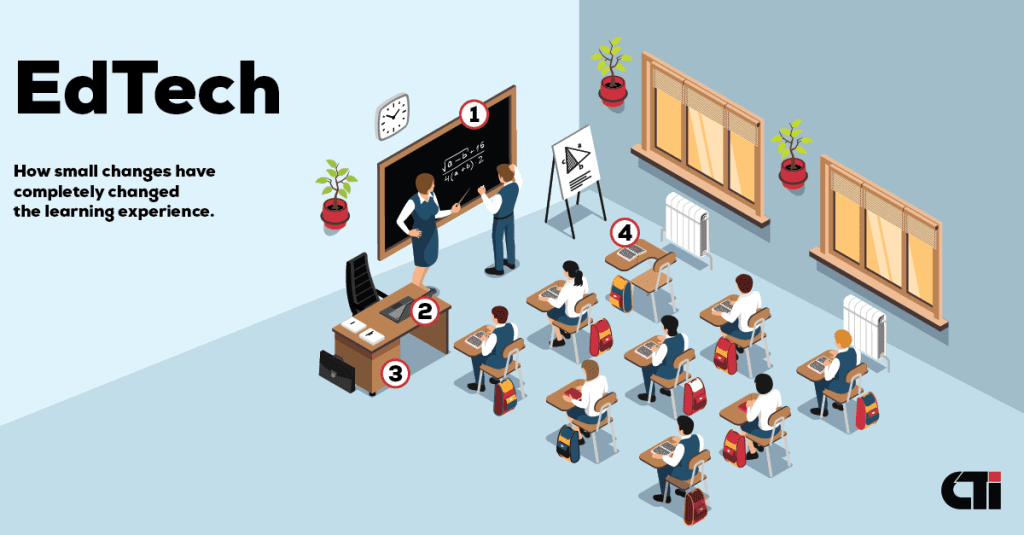
In the bustling metropolis of Lagos, Nigeria, a quiet revolution is taking place in classrooms, homes, and community centers across the city. Armed with smartphones, tablets, and a burning desire for knowledge, millions of Nigerians are tapping into a new world of educational opportunities. Welcome to Nigeria’s EdTech revolution, where nonprofit organizations and social enterprises are leveraging technology to bridge the country’s vast educational divide.
The Educational Landscape in Nigeria
Nigeria, Africa’s most populous nation, faces significant challenges in its education sector. With over 10 million children out of school – the highest number in the world – and a tertiary education system struggling to meet the demands of its growing youth population, the need for innovative solutions has never been more pressing.
“Our traditional education system is overwhelmed,” explains Dr. Oluwaseun Adebayo, an education policy expert at the University of Ibadan. “We need to think outside the box if we’re going to provide quality education to all Nigerians, regardless of their socioeconomic background.”
Enter EdTech
This is where EdTech nonprofits and social enterprises are making a significant impact. By harnessing the power of technology, these organizations are creating scalable, accessible, and often personalized learning experiences that complement and, in some cases, supplement traditional education.
One such pioneer is the Lagos-based nonprofit, DigiLearn Africa. Founded in 2015 by former teacher Chidi Nwaogu, DigiLearn Africa has developed a suite of mobile apps that offer free, high-quality educational content aligned with the Nigerian curriculum.
“We realized that while many Nigerians might not have access to quality schools, most have access to smartphones,” Nwaogu explains. “Our apps turn these phones into powerful learning tools, allowing students to learn at their own pace, anytime, anywhere.”
Bridging the Urban-Rural Divide
While organizations like DigiLearn Africa are making waves in urban centers, others are focusing on bringing educational technology to rural areas, where the need is often greatest.
Solar Classroom Nigeria, a social enterprise founded by engineer Adebola Sanni, is one such initiative. The organization installs solar-powered computer labs in rural schools, providing students with access to digital learning resources and the internet.
“In many rural areas, schools lack electricity, let alone computers,” Sanni says. “Our solar classrooms are often the first time these students interact with technology. The impact is transformative – not just on their education, but on their aspirations and worldview.”
Upskilling for the Digital Age
Nigeria’s EdTech revolution isn’t limited to primary and secondary education. With youth unemployment hovering around 42%, there’s a growing focus on providing young adults with the skills needed to thrive in the digital economy.
Tech4Dev, a nonprofit organization based in Akure, is at the forefront of this movement. Their Women Techsters initiative aims to train 5 million women across Africa in coding and other digital skills by 2030.
“We’re not just teaching coding; we’re empowering women to become active participants in the digital economy,” says Blessing Ashi, Tech4Dev’s program director. “Many of our graduates have gone on to start their own tech businesses or secure high-paying jobs in the IT sector.”
Challenges and Opportunities
Despite the promising strides made by these organizations, significant challenges remain. Infrastructure deficits, particularly in rural areas, continue to hinder the widespread adoption of EdTech solutions. Moreover, there’s a need for greater collaboration between EdTech providers and the traditional education sector to ensure that digital learning complements rather than competes with classroom instruction.
“We need a holistic approach,” Dr. Adebayo argues. “EdTech should be seen as a tool to enhance and extend our education system, not replace it entirely.”
The Road Ahead
As Nigeria continues to grapple with its educational challenges, the role of EdTech nonprofits and social enterprises is likely to grow. The COVID-19 pandemic, which forced schools across the country to close, has only accelerated this trend, highlighting the importance of flexible, technology-enabled learning solutions.
The Nigerian government has taken notice. In 2020, it launched the Nigeria Digital Education Initiative, a public-private partnership aimed at expanding access to digital learning resources across the country.
“This is just the beginning,” Nwaogu of DigiLearn Africa predicts. “As technology continues to evolve and become more accessible, we’ll see even more innovative solutions emerging. The future of education in Nigeria is digital, and it’s incredibly exciting.”
A Model for Africa
Nigeria’s EdTech revolution offers valuable lessons for other African countries facing similar educational challenges. By leveraging technology, nonprofits and social enterprises are not just providing access to education; they’re reimagining what education can look like in the 21st century.
As these organizations continue to innovate and expand their reach, they’re not just changing individual lives – they’re shaping the future of an entire nation. In the classrooms, homes, and community centers of Nigeria, a new generation of learners is emerging, armed with knowledge, skills, and the power to transform their country’s future.








 Armenian Dram
 Ghana Cedi
 Gambian Dalasi
 Guinea Franc
 Nigerian Naira
 CFA Franc BEAC