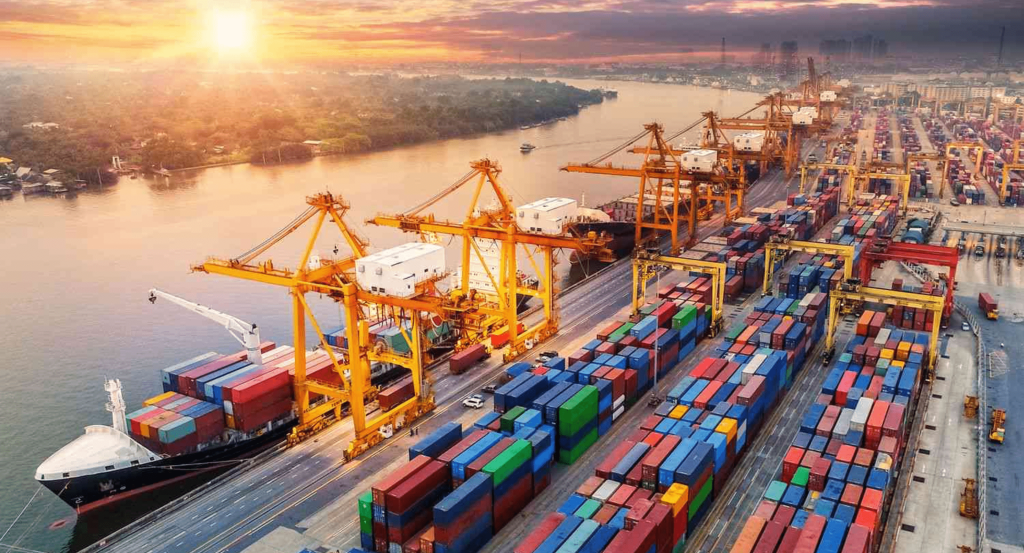
Mali, Burkina Faso, and Niger have officially implemented a 0.5% import levy on ECOWAS goods, including those from Nigeria. The tariff applies to all imports from the Economic Community of West African States (ECOWAS) member countries, marking a significant shift in trade policies across the region.
The three nations, which exited ECOWAS in 2023, announced that the new levy would help finance their recently established Alliance of Sahel States (AES). The coalition, initially formed as a security pact, has since evolved into a broader economic alliance aimed at fostering deeper military and financial integration.
Economic Shift as Mali, Burkina Faso, and Niger Implement Tariffs
The import levy on ECOWAS goods became effective immediately, impacting trade flows between these breakaway nations and other West African economies. The governments of the three countries, all ruled by military juntas, stated that the revenue from the tariff would support the operational costs of their union.
However, officials have not provided specific details on how the funds will be allocated. The levy applies to all imported goods except humanitarian aid, indicating an effort to raise financial resources while maintaining essential support for vulnerable populations.
Trade Impact of the Import Levy on ECOWAS Goods
The newly imposed tax is expected to reshape trade patterns in West Africa, particularly between Nigeria and Niger, two countries with historically strong economic ties.
- In 2022, Niger imported goods worth $290 million from Nigeria, making it one of the country’s top trading partners, according to the World Integrated Trade Solution.
- By 2023, Nigeria’s exports to Niger fell to $209 million, with major exports including Petroleum Gas ($44.6M), Electricity ($41.5M), and Cement ($32.8M), as per the Observatory of Economic Complexity.
This tariff signals the end of decades of free trade within ECOWAS, further deepening the divide between the Alliance of Sahel States and ECOWAS nations such as Nigeria and Ghana.
DON’T MISS THIS: Egypt to Host 2025 U-20 Africa Cup of Nations After Côte d’Ivoire Withdrawal
Why Mali, Burkina Faso, and Niger Left ECOWAS
The withdrawal of these three nations from ECOWAS was driven by accusations that the regional bloc failed to provide adequate support in addressing Islamist insurgencies and internal security crises.
ECOWAS had previously imposed economic sanctions on Mali, Burkina Faso, and Niger to pressure them into restoring democratic governance. However, rather than reversing their stance, these countries have moved toward forming an independent political and economic framework.
Their departure has led to growing economic uncertainty, as all three nations remain among the poorest in the world, battling persistent violence from insurgent groups linked to al Qaeda and the Islamic State.
Regional and Global Implications of the Import Levy
Over the past decade, Islamist insurgencies in the Sahel region have resulted in:
- Thousands of deaths and the displacement of millions.
- A weakened public trust in democratically elected governments.
- Increased pressure on regional trade and security policies.
The introduction of the import levy on ECOWAS goods may significantly affect businesses that operate across West Africa. Many companies will need to reassess their strategies as political and economic alliances shift.
Additionally, the move raises concerns about ECOWAS’ ability to maintain regional cohesion, as internal divisions continue to challenge the bloc’s influence.
What’s Next for the Alliance of Sahel States?
With this new economic policy in place, the Alliance of Sahel States must navigate the financial and security challenges that prompted their departure from ECOWAS in the first place.
Observers are keen to see how these nations will manage trade relationships, attract foreign investment, and strengthen economic stability amid ongoing security threats.
For businesses and policymakers in West Africa, this development signals a turning point in regional trade dynamics. The full impact of the import levy on ECOWAS goods will become clearer as trade adjustments take effect in the coming months.


 Armenian Dram
 Ghana Cedi
 Gambian Dalasi
 Guinea Franc
 Nigerian Naira
 CFA Franc BEAC